Best Twitter Analytics Tools 2026: Complete Comparison for Data-Driven Growth
Why Twitter Analytics Drive Growth and Optimization
Analytics transform Twitter from guesswork into data-driven optimization by revealing what content performs, when audiences engage, and how your account grows over time. Without analytics, you're creating content blindly without knowing whether it resonates or falls flat, posting at times that might miss your audience entirely, and unable to identify patterns in successful content that you could replicate. Quality analytics provide the feedback loops essential for continuous improvement rather than repeating the same approaches indefinitely without understanding their effectiveness.
Native Twitter Analytics vs Third-Party Platforms
Twitter's native analytics through Premium subscription (eight dollars monthly) provide impression data, engagement rates, top-performing content, and basic demographic information directly within Twitter. Native analytics work adequately for basic tracking needs and come bundled with verification and other Premium features. However, they lack historical data beyond ninety days, competitor comparison capabilities, advanced segmentation, and export options for custom analysis. For users already subscribing to Premium, native analytics deliver solid baseline value included in existing subscription.
Third-party analytics platforms provide capabilities native tools lack including unlimited historical data, competitor tracking, content scheduling integration, custom reporting, and advanced segmentation. These tools typically cost fifteen to one hundred dollars monthly depending on sophistication and account size. The investment makes sense for accounts treating Twitter as serious business channel requiring optimization but feels excessive for casual users satisfied with basic performance tracking. Most professional accounts eventually adopt third-party analytics as growth makes data-driven optimization critical.
Essential Analytics Features That Actually Matter
Engagement rate tracking across content types reveals what formats and topics generate strongest audience response. This single metric provides more optimization value than vanity metrics like impression counts since it measures actual audience interaction relative to reach. Analytics showing your threads generate three percent engagement while single tweets average one percent tell you to create more threads. Without engagement tracking, you can't identify content patterns worth replicating.
Historical trend analysis over months and years reveals long-term patterns invisible in recent performance. Twitter's native analytics only track ninety days, preventing analysis of seasonal patterns, growth trajectory visualization, or performance evolution as your account matures. Third-party tools maintaining unlimited history let you compare current performance against baselines from months ago to measure genuine improvement versus random variation.
Follower growth attribution helps you understand what drives follows by correlating follower spikes with specific content or campaigns. Quality analytics show which tweets generated profile visits and follows rather than just overall follower counts. This attribution reveals what content converts viewers to followers so you can create more of it intentionally rather than accidentally stumbling on working approaches.
Top Twitter Analytics Tools Compared
Twitter Premium Analytics (eight dollars monthly) provides basic native tracking adequate for casual users who primarily need impression and engagement data for recent content. The analytics come bundled with verification and other features, making them reasonable value for users wanting Premium anyway. However, serious optimization requires more sophisticated analysis than native tools provide.
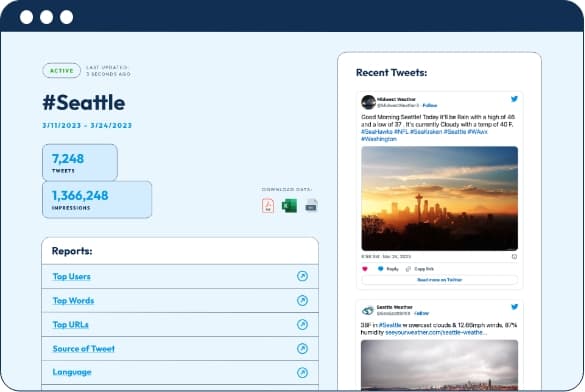
Tweet Archivist specializes in comprehensive historical archiving and analysis for accounts needing unlimited data retention and advanced search capabilities. The service permanently archives all tweets, maintains complete historical metrics, and enables comparative analysis across any time periods. Pricing varies by account size and archiving needs but typically starts around twenty-five dollars monthly. This tool serves accounts needing historical data preservation and long-term trend analysis native analytics can't provide.
Hootsuite Analytics provides multi-platform social media tracking for businesses managing Twitter alongside other channels. The platform offers scheduling, publishing, and analytics in unified dashboard with team collaboration features. Analytics include competitor benchmarking, custom reporting, and ROI tracking. Pricing starts at ninety-nine dollars monthly, positioning this for businesses rather than individuals. The investment makes sense for teams needing consolidated multi-platform management rather than Twitter-only analytics.
Choosing Analytics Tools Matching Your Needs
Casual users and small accounts under five thousand followers typically find Twitter Premium analytics sufficient for basic performance tracking without justifying additional analytics tool costs. Focus budget on content quality and growth rather than sophisticated analytics you won't fully utilize. Native tools provide adequate feedback for optimization at this scale.
Growing creators and mid-size accounts benefit from dedicated analytics tools like Tweet Archivist that provide historical tracking and deeper insights informing content strategy. At this stage, data-driven optimization delivers meaningful growth acceleration worth tool investment. Choose tools focused on engagement analysis and content performance rather than enterprise features you don't need.
Businesses and agencies managing multiple accounts or requiring team collaboration need comprehensive platforms like Hootsuite providing unified management alongside analytics. At this scale, tool costs represent trivial percentage of overall marketing budgets while providing efficiency and insights that improve team productivity and campaign effectiveness.
Frequently Asked Questions
Are Twitter analytics tools worth paying for?
Worth depends on how seriously you treat Twitter and whether you'll act on insights. Professional accounts treating Twitter as business investment benefit substantially from analytics informing optimization. Casual users may find native free or Premium analytics sufficient without justifying additional tool costs. Start with native analytics then upgrade when you identify specific insights you need that native tools don't provide.
What's the best free Twitter analytics tool?
TweetDeck provides free real-time monitoring though it's not traditional analytics. Twitter Premium at eight dollars monthly is cheapest legitimate analytics option. Most capable third-party tools require paid subscriptions since quality analytics require infrastructure and maintenance costs. Expect to pay for sophisticated analytics rather than finding free alternatives matching paid tool capabilities.
How do I track competitor Twitter performance?
Third-party tools like Hootsuite or Sprout Social provide competitor tracking features that Twitter's native analytics lack. These tools monitor competitor follower growth, engagement rates, posting frequency, and top content. This benchmarking reveals whether your performance matches, exceeds, or lags comparable accounts in your niche. Competitor tracking helps set realistic goals and identify successful tactics worth testing.
Should I use multiple analytics tools?
Most accounts benefit from single comprehensive analytics tool rather than fragmenting across multiple platforms. Choose tool matching your primary needs then fully utilize its capabilities rather than subscribing to multiple tools with overlapping features. Exception is using specialized tools for specific purposes like Tweet Archivist for historical archiving alongside general-purpose analytics. Avoid tool bloat that creates more data than you'll actually analyze.
Quality Twitter analytics provide the insights needed for continuous improvement through understanding what content resonates, when audiences engage, and how your account grows over time. Start with Twitter Premium analytics then upgrade to specialized tools as your needs evolve and optimization becomes critical to business goals. Use comprehensive analytics tracking to measure whether your Twitter strategy delivers actual results rather than assuming your efforts work without data validation.