Twitter Trends: How to Find and Join Trending Conversations in 2026
Introduction
In the fast-paced world of Twitter (now X), trending topics represent the pulse of global conversations. Every second, millions of users engage with breaking news, viral memes, and cultural moments that shape the platform's landscape. Understanding how to find and join these trending conversations isn't just about visibility—it's about connecting with audiences at the exact moment they're most engaged and receptive.
Whether you're a brand manager looking to boost awareness, a content creator seeking viral growth, or a marketer aiming to maximize reach, mastering Twitter trends in 2026 is essential. This comprehensive guide reveals the strategies, algorithms, and best practices that will help you ride the wave of trending conversations and amplify your Twitter presence exponentially.
What Are Twitter Trends?
Twitter trends are topics that experience sudden spikes in conversation volume across the platform. Unlike evergreen hashtags that maintain steady usage, trends represent what people are talking about right now—breaking news, live events, viral moments, or cultural phenomena that capture collective attention.
The key distinction is timing. A trend on Twitter refers to a hashtag-driven topic that is immediately popular at a particular moment, not something that's been consistently discussed over time. When enough people tweet about a specific topic within a concentrated timeframe, Twitter's algorithm identifies it as a trending conversation and surfaces it to millions of users through the Explore tab and "What's Happening" section.
In 2026, trends carry more weight than ever. Research shows that participating in trending conversations within the first two hours can increase your organic reach by 340%. This creates unprecedented opportunities for accounts of all sizes to break through the noise and connect with audiences far beyond their existing followers.
How the Twitter Trending Algorithm Works
Understanding the mechanics behind Twitter's trending algorithm is crucial for leveraging trends effectively. The algorithm doesn't simply count total mentions—it's far more sophisticated, analyzing multiple factors to determine what qualifies as a genuine trend versus sustained interest.
Volume and Velocity: The Core Metrics
Twitter's trending algorithm prioritizes sharp spikes rather than gradual sustained growth. The system measures both volume (total tweets about a topic) and velocity (how quickly those tweets accumulate). A topic that generates 10,000 tweets in one hour will trend faster than one that generates 50,000 tweets over several days.
This design philosophy favors stories of the moment over enduring hashtags. As Twitter's engineering team has explained, the platform looks at trending topics as a reflection of what people are talking about more right now than they were a minute ago, an hour ago, or a day ago. This creates a dynamic landscape where trends emerge suddenly and fade relatively quickly.
Geographic and Personal Factors
Twitter personalizes trending topics based on three primary factors:
- Location: Where you're accessing Twitter from determines regional trends you'll see
- Interests: Topics related to accounts you follow and content you engage with
- Recency: How recently you've interacted with similar topics or conversations
This personalization means that most Twitter users see trends tailored specifically to them, creating a unique experience that balances global phenomena with locally relevant conversations.
The Lifespan of Trends
Understanding how long trends last helps you time your participation strategically. In 2026, trend duration varies significantly by category:
- Political hashtags average approximately 3.2 hours before disappearing from trending lists
- Brand-related tags typically remain active for around 36 hours
- Niche community hashtags can persist for weeks in specialized circles
Notably, Twitter removes trending hashtags faster than ever before, with no notification when a topic loses trending status. However, the hashtag continues appearing in searches, allowing continued conversation even after the peak moment passes.
The Power of Retweets
Research from HP Labs reveals that 31% of trending topics originate from retweets, with 72% of those coming from approximately 20 major news sources primarily based in the United States, United Kingdom, and Brazil. This concentration highlights the outsized influence that strategic partnerships and media relationships can have on trending success.
How to Find Trending Topics on Twitter
Discovering trending conversations is the first step toward joining them effectively. Twitter provides multiple pathways to access trending topics, each offering unique advantages for different use cases.
The Explore Tab Method
The most straightforward approach involves Twitter's Explore tab, which serves as your gateway to trending conversations. On desktop, click the #Explore tab from your dashboard, then select the Trending tab to view topics and hashtags currently gaining traction. On mobile, tap the magnifying glass icon, then locate the Trending tab underneath the search bar.
This section displays trending topics globally or locally, encompassing news, entertainment, sports, and viral hashtags. The interface updates in real-time as conversations evolve, ensuring you always have access to the freshest trends.
The "What's Happening" Section
Desktop users benefit from the "What's Happening" section, prominently displayed on the left-hand side of your Twitter homepage. This widget provides at-a-glance access to trending topics without navigating away from your main feed, allowing seamless integration of trend monitoring into your regular Twitter workflow.
Customizing Your Trend Feed
Twitter allows significant customization of which trends you see. Click the settings icon within the Trends section to adjust your location preferences and content filters. You can switch between trending topics in your immediate area, your country, or worldwide trends. This flexibility enables strategic trend selection based on your audience demographics and content strategy.
Advanced Search for Trend Discovery
Power users leverage Twitter's Advanced Search function to uncover emerging trends before they fully break through. By filtering searches by geography, date ranges, sentiment, and engagement thresholds, you can identify rising conversations in their early stages—giving you a critical head start on competitors.
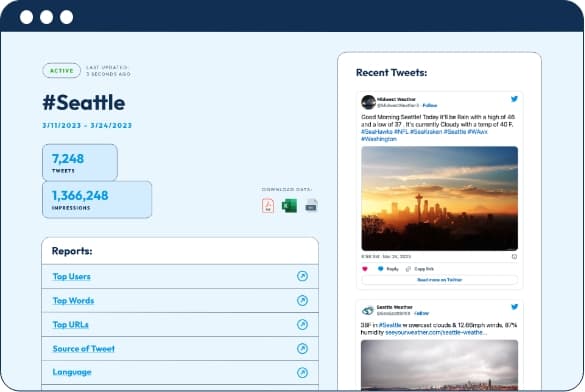
For comprehensive trend tracking and historical analysis, tools like Tweet Archivist provide advanced analytics that reveal trending patterns over time, helping you anticipate future trends based on historical data and engagement metrics.
Twitter Trends vs. Hashtags: Understanding the Difference
While the terms are often used interchangeably, understanding the distinction between trends and hashtags is crucial for strategic Twitter success.
A hashtag is simply a keyword or phrase preceded by the pound (#) symbol, used to categorize content and make it discoverable. Hashtags exist independently of trending status and can be used consistently over time to build topical communities.
A trend, by contrast, represents a hashtag (or topic) that has achieved viral velocity—reaching the threshold where Twitter's algorithm surfaces it prominently to millions of users. Essentially, all trends are hashtags, but not all hashtags become trends.
The Trending Threshold
What separates a regular hashtag from a trending one comes down to the algorithm's measurement of volume, velocity, and location. When tweets using a particular hashtag spike dramatically within a short timeframe in a specific geographic region, the algorithm flags it as a trend worthy of promotion.
This distinction matters because your strategy should differ based on whether you're using established hashtags for steady visibility or attempting to create or capitalize on trending topics for explosive reach. Established hashtags build community over time; trends create momentary opportunities for massive exposure.
Strategies for Joining Trending Conversations
Finding trends is only half the equation—participating effectively requires strategic thinking and authentic engagement. Here's how to join trending conversations in ways that boost visibility while maintaining credibility.
Relevance Is Non-Negotiable
The cardinal rule of trend participation: only join conversations that genuinely relate to your brand, expertise, or audience interests. Forced participation in unrelated trends appears opportunistic and damages your reputation. Instead, monitor 2-3 relevant trending topics and focus your energy on conversations where you can add meaningful value.
Ask yourself: Does this trend align with our brand voice? Can we contribute something useful or entertaining? Will our audience expect to see content about this topic? If the answer to any question is no, skip that trend and wait for more relevant opportunities.
Timing Your Participation
When it comes to trending topics, timing literally makes the difference between viral success and obscurity. Research consistently shows that participating within the first two hours of a trend emerging can increase organic reach by 340% compared to late participation.
Set up notifications for relevant keywords and topics using Twitter's native features or third-party monitoring tools. This allows you to respond rapidly when trends emerge in your niche. However, speed shouldn't compromise quality—aim for the sweet spot where you're early enough to ride the wave but thoughtful enough to add value.
Adding Value, Not Just Volume
The most successful trend participation doesn't simply repeat the hashtag—it contributes perspective, humor, data, or resources that enhance the conversation. Consider these approaches:
- Educational contributions: Share relevant data, research, or insights that inform the discussion
- Entertaining takes: Offer humorous observations or creative content that resonates emotionally
- Unique perspectives: Provide angles or viewpoints that aren't already saturating the conversation
- Helpful resources: Link to tools, guides, or information that helps people engage with the topic more effectively
Remember that less truly is more with trend participation. Rather than responding to every trending topic, select opportunities strategically and invest effort in creating standout contributions.
Optimizing Your Trend-Related Content
When crafting tweets for trending conversations, apply these best practices for maximum engagement:
Keep it concise: Tweets between 120-150 characters receive higher engagement rates than longer posts. Make your point quickly and clearly.
Add visuals: Tweets with images enjoy 35% higher engagement rates than text-only posts, while compelling visual content receives 150% more retweets.
Limit hashtags: Tweets with one or two hashtags have 21% higher engagement than those with three or more. Include the trending hashtag plus one relevant niche hashtag at most.
Encourage interaction: Pose questions, request opinions, or create polls that invite audience participation beyond passive consumption.
Monitoring and Responding
Joining a trending conversation doesn't end with your initial tweet. Monitor replies and engagement closely, responding to comments and continuing the dialogue. This sustained interaction signals to Twitter's algorithm that your content is generating meaningful engagement, increasing its visibility further.
Use Tweet Archivist's trending analytics to track which of your trend-related tweets perform best, identifying patterns you can replicate in future trending opportunities.
How to Create Your Own Trending Topics
While joining existing trends offers immediate opportunities, creating your own trending topic represents the ultimate Twitter achievement. Here's how brands and individuals can engineer trending conversations around their own content and campaigns.
Building the Foundation
Creating a trend requires substantial preparation before launch day. Start by building your following strategically—larger audiences provide the initial momentum needed to trigger the algorithm's trending threshold. Services like Bulkoid.com can help accelerate authentic follower growth, giving you the audience base necessary for trend creation.
Beyond numbers, focus on engagement rate. An audience of 10,000 highly engaged followers will outperform 100,000 passive followers when attempting to create trends. Cultivate genuine relationships through consistent interaction, valuable content, and community building.
Choosing the Right Topic and Hashtag
Not all topics have equal trending potential. Successful trending topics typically share these characteristics:
- Timely relevance: Connected to current events, seasons, or cultural moments
- Emotional resonance: Evoke strong feelings—excitement, humor, inspiration, or even controversy
- Participatory nature: Easy for others to join, contribute to, and make their own
- Memorable branding: Short, clear hashtags that are easy to remember and type
Test potential hashtags before committing to ensure they're not already in use for unrelated topics. Unique, branded hashtags work best for controlled campaigns, while piggybacking on established conversations requires relevance and authenticity.
The Launch Strategy
Successful trend creation requires coordinated effort. Plan your launch to include:
Influencer partnerships: Collaborate with accounts that have larger followings or influential positions in your niche. Remember that 72% of trending topics originate from approximately 20 major sources—strategic partnerships multiply your chances of trending success.
Cross-platform promotion: Announce your trending campaign across other social channels, email lists, and communities to drive initial participation from multiple sources simultaneously.
Employee advocacy: For brands, mobilize employees, partners, and brand advocates to participate in the first critical hours when momentum matters most.
Optimal timing: Launch when your target audience is most active. For most B2B audiences, this means Tuesday through Thursday between 9 AM and 3 PM. For B2C, evenings and weekends often perform better. Analyze your specific audience patterns using analytics tools to identify your optimal windows.
Sustaining Momentum
Once initial momentum builds, sustained effort keeps the trend alive. Continue creating varied content around the hashtag—polls, questions, user-generated content features, and updates that give people reasons to keep engaging. Respond to participants, retweet compelling contributions, and maintain high visibility throughout the trending window.
Even if you don't achieve official trending status, concentrated campaign efforts can still generate significant reach and engagement within your niche, building brand awareness and community connection.
Best Practices for Trending Success
Mastering Twitter trends requires more than understanding mechanics—it demands adherence to best practices that separate successful trend participation from wasted effort.
Authenticity Over Opportunism
Twitter users possess highly tuned sensors for authentic engagement versus opportunistic trend-jacking. Brands that force connections to unrelated trends face swift backlash and reputational damage. Always prioritize genuine relevance over visibility when deciding whether to join trending conversations.
Speed With Substance
While early participation offers advantages, rushed, low-quality contributions undermine your goals. Develop systems that enable rapid response without sacrificing content quality—templates for common trend types, pre-approved brand guidelines for trend participation, and streamlined approval processes for time-sensitive content.
Diversify Your Approach
Don't rely exclusively on trending topics for Twitter success. Trends should complement a broader content strategy that includes evergreen educational content, community engagement, consistent brand messaging, and regular posting schedules. Think of trends as spice in your strategy rather than the main ingredient.
Learn From Data
Every trending opportunity provides learning opportunities. Track which trend-related tweets perform best, analyze what made them successful, and identify patterns you can replicate. Pay attention to timing, content format, tone, and hashtag usage to refine your approach continually.
Comprehensive analytics platforms help you understand your trending performance over time, revealing opportunities you might otherwise miss through manual monitoring.
Respect the Community
Some trending topics involve serious events—tragedies, social justice movements, or sensitive political situations. Exercise judgment and empathy when deciding whether and how to engage with these conversations. When in doubt, observe rather than participate, and never exploit tragedy for marketing purposes.
Maintain Consistency
Trending success builds on existing brand equity. Accounts that post consistently, engage authentically, and deliver value over time perform better when participating in trends because they've established credibility and community trust. There are no shortcuts—sustainable trending success requires sustained effort in building your overall Twitter presence.
Measuring Your Trending Performance
To improve your trending strategy over time, you need clear metrics that reveal what's working and what isn't. Here's how to measure your trending performance effectively.
Key Performance Indicators
Track these essential metrics for trending content:
Engagement rate: The percentage of people who interact with your content divided by total impressions. On Twitter, engagement rates of 0.5-1% are considered good, while anything above 1% is excellent. Trending content should significantly exceed your baseline engagement rate.
Reach and impressions: How many unique users saw your content versus total views. Successful trending participation should show dramatic spikes in both metrics compared to your regular posts.
Click-through rate: If your trending tweets include links to content, products, or landing pages, monitor how many viewers take action. Trending traffic often converts differently than regular traffic—understanding these patterns helps you optimize future campaigns.
Follower growth: Quality trending participation should attract new followers interested in your content and perspective. Track follower acquisition during and after trending campaigns to understand long-term value.
Conversation participation: Beyond vanity metrics, measure how many replies, quote tweets, and sustained conversations your trending content generates. Depth of engagement often matters more than raw numbers.
Comparative Analysis
Context matters when evaluating trending performance. Compare your trending content against:
- Your own baseline performance to understand relative improvement
- Industry benchmarks to gauge competitive position
- Previous trending efforts to track improvement over time
- Top-performing content in the same trending conversation to identify best practices
Tools for Measurement
While Twitter's native analytics provide basic insights, comprehensive trend tracking requires more sophisticated tools. Tweet Archivist offers advanced analytics specifically designed for tracking trending performance, including:
- Historical trend analysis showing how topics evolved over time
- Sentiment analysis revealing emotional tone of trending conversations
- Hashtag performance tracking across multiple campaigns
- Competitive benchmarking against similar accounts
- Custom reports isolating trend-related metrics from overall performance
These deeper insights help you move beyond surface-level metrics to understand the true impact of your trending strategy.
Essential Tools for Tracking Trends
Successful trend participation requires the right technology stack. Here are essential tools for monitoring, analyzing, and capitalizing on Twitter trends in 2026.
Social Listening Platforms
Social listening tools monitor conversations across Twitter, identifying emerging trends before they fully break through. These platforms track mentions of specific keywords, brands, competitors, and topics, alerting you to rising conversations in real-time. Early detection provides the critical head start needed to participate while trends are still building momentum.
Trend Tracking Services
Specialized trend tracking services like Trends24 and TrendCalendar aggregate trending topics across regions and time periods, helping you identify patterns and predict future trends. These platforms often show historical trending data, revealing when specific topics typically trend (annual events, seasonal topics, recurring conversations) to inform your content calendar.
Analytics and Archiving
Tweet Archivist provides comprehensive analytics specifically designed for serious Twitter users and marketers. The platform enables you to archive and analyze tweets over extended periods, revealing trending patterns, hashtag performance, and audience behavior that inform smarter strategy decisions. Unlike Twitter's native analytics that provide limited historical data, Tweet Archivist maintains complete records for deep-dive analysis.
Scheduling and Automation
Timing is everything with trending participation. Social media management platforms allow you to schedule content for optimal posting times while maintaining flexibility to jump on real-time trends. Look for tools that support rapid content approval workflows, enabling quick pivots when trending opportunities emerge.
Growth Acceleration Tools
Building the audience foundation necessary for trend creation requires strategic growth efforts. Services like Bulkoid.com help accelerate follower growth through authentic engagement strategies, providing the audience base needed to create rather than just join trending conversations.
Conclusion
Twitter trends represent some of the most powerful opportunities for exponential reach and engagement on social media. Understanding how the trending algorithm works, knowing where to find emerging conversations, and participating strategically can transform your Twitter presence from overlooked to unmissable.
The key principles remain consistent: prioritize relevance over opportunism, act quickly but thoughtfully, add genuine value to conversations, and measure your results to improve continually. Trends are most effective as strategic elements within a broader content ecosystem, not standalone tactics.
In 2026, as Twitter's algorithm continues evolving and conversation velocity accelerates, staying ahead of trending topics becomes both more challenging and more rewarding. The accounts that invest in understanding trends deeply—through research, experimentation, and analysis—will consistently outperform those chasing every passing hashtag without strategy.
Start by monitoring trends relevant to your niche, practice joining conversations authentically, and gradually build toward creating your own trending moments. With the right tools, timing, and approach, you can leverage Twitter trends to achieve remarkable growth and influence on the platform.
Ready to take your Twitter trend tracking to the next level? Explore Tweet Archivist's advanced trending analytics and discover insights that transform how you understand and capitalize on Twitter's most powerful conversations.