Twitter Shadowban: How to Check, Fix, and Avoid It in 2026
Introduction
You're tweeting consistently, engaging with your audience, and following Twitter's guidelines—yet your engagement has mysteriously plummeted. Your tweets aren't appearing in searches, and your carefully crafted content seems invisible to anyone who doesn't already follow you. If this sounds familiar, you might be experiencing what's commonly called a Twitter shadowban.
A Twitter shadowban (now officially referred to as "visibility filtering" or "deboosting" by X/Twitter) is one of the most frustrating experiences for content creators, businesses, and influencers on the platform. Unlike a full suspension that notifies you immediately, a shadowban operates in the shadows—limiting your reach without ever telling you directly.
In this comprehensive guide, you'll learn exactly how to perform a twitter shadowban test, understand what triggers these restrictions, and discover proven methods to fix and avoid them. Whether you're managing a personal brand or a business account, understanding shadowbans is essential for maintaining your Twitter presence in 2026.
What Is a Twitter Shadowban?
A Twitter shadowban is a form of algorithmic suppression where your account remains active and functional, but your content's visibility is significantly reduced across the platform. You can still post tweets, reply to others, and interact normally—but your content won't reach its full potential audience.
The term "shadowban" emerged from users noticing dramatic drops in engagement without receiving any official notification from Twitter. While Twitter has historically denied the existence of shadowbans, the platform has acknowledged using "visibility filtering" and "ranking adjustments" to reduce the spread of potentially problematic content.
When you're shadowbanned, your tweets typically won't appear in:
- Twitter search results for users who don't follow you
- Hashtag feeds and trending topics
- The "Top Tweets" section of search results
- Reply threads for users who don't follow you
- The "For You" algorithmic timeline of non-followers
However, your existing followers can usually still see your content in their timeline, though even this visibility may be reduced depending on the severity of the restriction. This limited visibility creates a significant problem for account growth and engagement, as you effectively become invisible to potential new followers.
Types of Twitter Shadowbans
Not all shadowbans are created equal. Twitter implements several different types of visibility restrictions depending on the perceived violation and account history.
Search Shadowban
The most common form of restriction prevents your tweets from appearing in Twitter's search results. When users search for keywords, hashtags, or topics related to your content, your tweets won't show up—even if they're highly relevant. This drastically limits discoverability for new audiences. Your followers can still see your content, but you've essentially lost the ability to reach anyone new through search.
Reply Deboosting
With reply deboosting (sometimes called "reply shadowban"), your replies to other users' tweets become hidden behind a "Show more replies" button or don't appear at all to users who don't follow you. This particularly impacts accounts that engage heavily in conversations and use replies as a primary engagement strategy. You might notice that your thoughtful replies to popular tweets no longer generate the engagement they once did.
Thread Shadowban
Thread shadowbans affect your ability to create visible tweet threads. While you can still compose and post threads, they may not appear connected properly to non-followers, or individual tweets in the thread might fail to show up in search or hashtag feeds.
Ghost Ban
The most severe form of restriction makes your account nearly invisible across the entire platform. Your tweets don't appear in search, hashtag feeds, or reply threads, and even your followers may see reduced visibility of your content in their timelines. Ghost bans typically occur after repeated violations or particularly severe policy breaches.
How to Check if You're Shadowbanned
Suspecting a shadowban is one thing—confirming it requires testing. The challenge is that Twitter doesn't send notifications about visibility restrictions, so you need to be proactive in checking your account status. Here are the telltale signs that warrant a twitter shadowban test:
Sudden engagement drops: If your typical engagement metrics (likes, retweets, replies, impressions) have dropped by 50% or more without any obvious explanation, this is the primary warning sign. Use Twitter analytics tools to compare your recent performance against historical baselines.
Zero engagement from non-followers: When all your engagement comes exclusively from your existing follower base and you're getting no interactions from new accounts, you've likely lost search and discovery visibility.
Missing from searches: Your recent tweets don't appear when you search for specific unique phrases or hashtags you've used, even when logged out or checking from a different account.
Hidden replies: Your replies to popular tweets consistently end up buried under "Show more replies" or don't appear at all in conversation threads.
Hashtag invisibility: Tweets using hashtags don't appear in those hashtag feeds when checked from logged-out or different accounts.
If you're experiencing multiple symptoms simultaneously, it's time to run a formal shadowban test to confirm your account status.
Best Shadowban Test Tools
Several third-party tools can help you determine if your account is shadowbanned. While these tools aren't perfect (Twitter doesn't provide official shadowban APIs), they've proven reliable for detecting most types of visibility restrictions.
1. Shadowban.yuzurisa.com
This is one of the most popular and reliable twitter shadowban checkers available. Simply enter your Twitter username, and the tool scans for four types of restrictions: search suggestion ban, search ban, ghost ban, and reply deboosting. The results appear within seconds and provide clear indicators of which restrictions are active on your account.
2. HiSubway Shadowban Test
HiSubway (hisubway.online) offers both web-based testing and an Android app. The tool checks for search bans, reply visibility issues, and thread restrictions. One advantage is the app's ability to automatically monitor your account over time and alert you if restrictions are detected.
3. Circleboom Twitter Shadowban Test
Part of the broader Circleboom social media management suite, this tool provides detailed visibility reports. While Circleboom is a paid service, the shadowban test functionality is available for free and can be used for any public Twitter account—helpful if you want to check competitors or analyze multiple accounts.
4. TweetDeleter Shadowban Checker
TweetDeleter's free shadowban test examines whether your tweets appear in searches, replies are visible, and posts show up in followers' timelines. The tool also provides recommendations for fixing detected issues, making it particularly useful for beginners.
5. ShadowBird Twitter Checker
ShadowBird (taishin-miyamoto.com/ShadowBan/) provides a quick health check of your Twitter account. The interface is straightforward—enter your username and receive instant feedback on your account's visibility status across different platform areas.
Important note: These tools rely on analyzing your account's public visibility and comparing it against expected behavior. They're not always 100% accurate, particularly for new accounts or those with very low activity. For best results, use 2-3 different tools and look for consistent results.
Manual Detection Methods
In addition to automated tools, you can manually test for shadowbans using these proven methods:
The Incognito Search Test
This is the most reliable manual detection method. Open an incognito/private browsing window (or log out of Twitter completely), then search for a unique phrase from one of your recent tweets—ideally something distinctive that's unlikely to appear in other tweets. If your tweet doesn't appear in the search results, you're likely shadowbanned from search. Repeat this test with several recent tweets to confirm the pattern.
The Hashtag Visibility Test
Post a tweet using a relatively uncommon hashtag (not trending, but not completely obscure). Wait 5-10 minutes, then search for that hashtag while logged out or from a different account. Scroll through the recent results. If your tweet doesn't appear in the feed, you're experiencing hashtag shadowban restrictions.
The Reply Thread Test
Reply to a tweet from a popular account (preferably one with active engagement). Wait a few minutes, then view that tweet's replies while logged out or from an account that doesn't follow you. If your reply is hidden under "Show more replies" or doesn't appear at all, you're experiencing reply deboosting.
The Friend Confirmation Method
Ask a friend or colleague who doesn't follow you to search for your username or a specific phrase from your recent tweet. Have them report whether your content appears in their search results. This human verification can be more reliable than automated tools for edge cases.
Common Causes of Shadowbans
Understanding why shadowbans happen is crucial for both fixing current restrictions and preventing future ones. Twitter's algorithm flags accounts based on behavior patterns that resemble spam, manipulation, or policy violations.
Aggressive Following/Unfollowing
Rapidly following large numbers of accounts and then unfollowing them shortly after is one of the fastest ways to trigger a shadowban. This behavior signals artificial growth tactics. Twitter particularly monitors accounts that follow 100+ users per day or maintain suspicious follow/unfollow ratios.
Excessive Automation and Bot-Like Behavior
Using unauthorized automation tools, scheduling too many tweets in short bursts, or posting identical content across multiple accounts raises red flags. Even legitimate automation tools can cause problems if used too aggressively. Twitter's algorithms are designed to detect and suppress bot-like posting patterns, including perfectly timed posts, identical phrasing across accounts, or rapid-fire replies.
Spam Complaints and Reports
If multiple users report your tweets as spam—even if you're not intentionally spamming—Twitter's algorithm may automatically reduce your visibility. This is particularly common for accounts that send unsolicited promotional content, use excessive hashtags, or repeatedly post similar messages.
Policy Violations and Sensitive Content
Posting content that violates Twitter's Terms of Service or Community Guidelines—even borderline violations—can result in shadowbans. This includes harassment, hate speech, violent content, misinformation, or sensitive media without proper warnings. Sometimes context matters less than perception; if enough users report your content as problematic, restrictions may be applied automatically before human review.
Suspicious Account Age or Activity Patterns
Brand new accounts that immediately engage in high-volume posting, following, or promotional activity often get shadowbanned as a precautionary measure. Similarly, dormant accounts that suddenly become extremely active may trigger restrictions. Twitter expects gradual, organic growth patterns.
Link Shorteners and Flagged Domains
Posting links to domains that Twitter has flagged as potentially dangerous or spammy can harm your visibility. This includes some URL shorteners, affiliate links, and domains associated with previous spam campaigns. Even if your content is legitimate, association with flagged domains can cause problems.
Hashtag Stuffing
Using 10+ hashtags per tweet or including irrelevant hashtags just for visibility is a red flag. This tactic was common in Twitter's early days but is now heavily penalized. Stick to 2-3 highly relevant hashtags per tweet for best results.
Copyright Strikes and DMCA Claims
If your account receives multiple copyright complaints or DMCA takedown requests, Twitter may restrict your visibility as a protective measure. This applies even if some claims are later found to be invalid.
How to Fix a Twitter Shadowban
Once you've confirmed a shadowban, quick action can significantly reduce its duration. Most shadowbans last 48-72 hours if addressed properly, though repeated violations can result in longer restrictions (7-14 days or more).
Step 1: Stop All Activity Immediately (24-72 Hours)
The most critical first step is to completely halt your Twitter activity for at least 24-48 hours, ideally 72 hours. This means no tweeting, no retweeting, no liking, no following, and no direct messages. Think of this as a "cooling off period" that signals to Twitter's algorithm that your account is back under control.
During this pause, resist the urge to test your account status repeatedly or engage with content. Each interaction could reset the timer or reinforce the algorithmic flags against your account. Use this time to review Twitter's policies and plan your content strategy for when restrictions lift.
Step 2: Delete Violating Content
Review your recent tweets, replies, and interactions from the past 2-4 weeks. Look for content that might have triggered the shadowban:
- Tweets with excessive hashtags (more than 5-6)
- Duplicate or near-duplicate content posted multiple times
- Aggressive promotional content or spam-like messages
- Content that received reports or negative engagement
- Tweets with potentially flagged links or domains
- Any borderline policy violations
Delete these problematic tweets. If you're unsure which tweets caused the issue, consider using a bulk deletion tool to clean your recent activity. Tools like TweetDeleter can help you remove tweets in bulk based on date ranges or keywords. However, be strategic—don't delete your entire tweet history, as this can look suspicious. Focus on recent problematic content.
Step 3: Verify Your Account Settings
Check your Twitter account settings to ensure you haven't been flagged for additional restrictions:
- Review your Privacy and Safety settings for any automated restrictions
- Check if you've been marked for "sensitive media" posting
- Verify your email address and phone number are confirmed (unverified accounts face stricter restrictions)
- Review connected third-party applications and revoke access to any suspicious or unused automation tools
- Enable two-factor authentication if you haven't already (verified security helps establish legitimacy)
Step 4: Submit an Appeal to Twitter Support
If you believe your shadowban is unjustified or if restrictions persist beyond 72 hours, file a formal appeal:
- Navigate to Twitter Help Center and select "File a report"
- Choose "Suspended account" or "Something isn't working"
- Clearly explain your situation: when you noticed the restriction, what actions you've taken to address it, and why you believe it's an error
- Be professional and concise—support teams handle thousands of requests
- Include your username and any relevant screenshots showing the restriction
Response times vary from 24 hours to several days. While waiting for a response, continue your activity pause.
Step 5: Resume Activity Gradually
After your 48-72 hour pause (or after receiving confirmation from Twitter Support), ease back into activity gradually:
- Start with 2-3 high-quality, original tweets per day
- Focus on genuine engagement with your existing followers
- Avoid hashtags entirely for the first 3-5 days
- Don't follow or unfollow anyone for at least a week
- Keep promotional content to an absolute minimum
- Post varied content types (text, images, polls) to appear more organic
Monitor your account's visibility using the shadowban test tools mentioned earlier. Run tests every 2-3 days to confirm restrictions are lifting. Most accounts see full visibility restored within 5-7 days if they follow this process carefully.
What NOT to Do When Shadowbanned
Avoid these common mistakes that can extend your shadowban or worsen restrictions:
- Don't create a new account: Starting over doesn't fix the underlying issues and can lead to permanent suspension if Twitter detects ban evasion
- Don't buy followers or engagement: This will compound your problems and potentially lead to permanent restrictions
- Don't use VPNs or proxies inconsistently: Rapid IP address changes can flag your account for additional security reviews
- Don't mass-delete everything: Removing your entire tweet history looks suspicious and can trigger additional algorithmic flags
- Don't immediately return to the behavior that caused the ban: If aggressive automation caused your shadowban, don't resume using those tools the moment restrictions lift
How to Avoid Future Shadowbans
Prevention is always easier than recovery. Once you've restored your account's visibility, implement these best practices to avoid future restrictions.
Follow the 80/20 Content Rule
Ensure that 80% of your content provides value to your audience—insights, entertainment, education, or conversation—while only 20% is promotional or self-serving. Twitter's algorithm rewards accounts that contribute to the platform ecosystem rather than just extracting value from it.
Maintain Consistent, Organic Posting Patterns
Avoid sudden spikes in activity. If you typically post 3-5 tweets per day, don't suddenly start posting 20+ tweets daily. Consistency signals authenticity. Similarly, space your tweets throughout the day rather than posting everything in a 30-minute burst. Natural posting patterns are harder to distinguish from bot behavior.
Use Hashtags Strategically
Limit yourself to 2-3 highly relevant hashtags per tweet. Research shows that tweets with 1-2 hashtags actually get more engagement than those with 5+ hashtags. Focus on hashtags directly related to your content rather than trending tags that have nothing to do with your tweet.
Engage Authentically
Build genuine connections through thoughtful replies, quote tweets that add context, and conversations that flow naturally. Avoid copy-paste responses, generic comments like "Great post!" without substance, or replies that are clearly promotional. Twitter's algorithm can detect authentic engagement patterns versus automated or manipulative interaction.
Verify Your Account Identity
Complete all account verification steps:
- Add a verified email address and phone number
- Fill out your profile completely with bio, location, and website
- Use a real profile photo (avoid generic stock images)
- Consider applying for Twitter verification (blue checkmark) if you're eligible
Verified and complete profiles face less restrictive algorithmic treatment because they're easier for Twitter to assess as legitimate accounts.
Monitor Third-Party App Permissions
Regularly audit which third-party applications have access to your Twitter account. Remove any apps you no longer use, particularly automation tools or scheduling services. If you use automation, choose reputable tools with official Twitter API access rather than gray-market services.
Respect Copyright and Attribution
Always provide proper attribution when sharing others' content, images, or ideas. Obtain permission for any copyrighted material you share. Multiple copyright strikes can trigger long-term visibility restrictions.
Stay Current with Twitter's Policies
Twitter's rules and enforcement practices evolve regularly. Follow official Twitter accounts and review the Terms of Service and Community Guidelines periodically. What was acceptable behavior last year might be restricted today.
Safe Twitter Growth Strategies
Growing your Twitter presence without risking shadowbans requires patience and strategic planning. Here's how to expand your reach safely and sustainably.
Focus on Content Quality Over Quantity
One exceptional tweet that sparks conversation is worth more than ten mediocre posts. Invest time in crafting tweets that provide genuine value—whether through insights, humor, helpful information, or compelling storytelling. High engagement rates signal to Twitter's algorithm that your content deserves broader distribution.
Leverage Twitter Spaces and Communities
Participate in Twitter Spaces relevant to your niche or join Twitter Communities. These features are actively promoted by the platform, and participation increases your visibility to like-minded users organically. When you contribute value in Spaces through thoughtful questions or insights, listeners often follow you afterward.
Build Relationships, Not Just Followers
Rather than focusing on follower count, cultivate meaningful connections with other accounts in your industry. Reply thoughtfully to their tweets, share their content with added context, and engage in genuine conversations. These relationships often lead to natural audience growth through recommendations and retweets.
Use Safe Growth Services
If you're looking to accelerate your Twitter growth, consider services that prioritize safety and authenticity. Bulkoid.com offers gradual, organic growth services that comply with Twitter's terms of service. Unlike risky bot services, legitimate growth platforms focus on connecting you with real, engaged users interested in your content niche.
When evaluating growth services, look for these safety indicators:
- Gradual delivery that mimics natural growth patterns
- Targeting options based on interests and engagement behavior
- No requirement for your password or suspicious account access
- Transparent pricing and process explanations
- Positive reviews from verified users in your industry
Optimize Your Posting Schedule
Use analytics to determine when your audience is most active, then concentrate your posting during those windows. This increases initial engagement rates, which signals to Twitter's algorithm that your content deserves amplification. Analyze your Twitter performance metrics regularly to refine your timing strategy.
Cross-Promote Strategically
Build your Twitter presence by leveraging your audience on other platforms. Share your best tweets on LinkedIn, Instagram Stories, or in email newsletters. However, avoid posting identical content simultaneously across all platforms—Twitter penalizes duplicate content posted elsewhere first.
Monitoring Your Account Health
Proactive monitoring helps you catch visibility issues before they become serious shadowbans. Establish a regular routine for checking your account's performance and health indicators.
Track Key Performance Metrics
Monitor these metrics weekly to establish baselines and detect unusual patterns:
- Impressions: The total number of times your tweets were viewed
- Engagement rate: Likes, retweets, and replies divided by impressions
- Profile visits: How many users clicked through to view your profile
- Follower growth rate: New followers gained minus unfollows
- Link clicks: If you share content, track how many users click through
Sudden drops of 30% or more in any metric warrant investigation. Use comprehensive Twitter analytics tools to track trends over time and identify patterns that might indicate algorithmic restrictions.
Run Monthly Shadowban Tests
Even if you're not experiencing obvious problems, run a shadowban test monthly as a preventive health check. This helps you catch minor restrictions before they escalate. Keep a log of your test results to track any patterns or recurring issues.
Monitor Your Tweet Indexing
Periodically check whether your recent tweets appear in Twitter search results. Search for unique phrases from your tweets while logged out. If tweets consistently fail to appear in search within 10-15 minutes of posting, you may be experiencing minor search restrictions that could escalate.
Use Twitter Analytics Native Tools
Twitter's built-in analytics dashboard (available at analytics.twitter.com) provides valuable insights into your account's performance. Pay particular attention to:
- Top tweets and their common characteristics
- Follower demographics and interests
- Traffic sources for profile visits
- Engagement trends over 28-day and 90-day periods
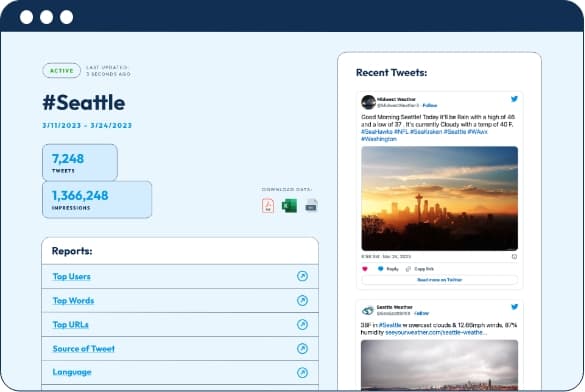
For more advanced analysis, consider using specialized platforms like Tweet Archivist which offers historical data tracking, sentiment analysis, and comprehensive reporting features that Twitter's native tools don't provide.
Set Up Engagement Alerts
Configure notifications or tracking systems to alert you when engagement drops below certain thresholds. Many social media management tools offer this functionality. Quick detection allows for faster response if restrictions are applied.
Frequently Asked Questions
How long does a Twitter shadowban last?
Most Twitter shadowbans last between 48-72 hours if you stop the behavior that triggered the restriction and follow proper recovery steps. However, repeat offenders or accounts with serious violations may face restrictions lasting 7-14 days or longer. The duration depends on the severity of the violation and your account's history. Proactive steps like removing violating content and pausing activity can significantly reduce shadowban duration.
Can I get permanently shadowbanned on Twitter?
While Twitter doesn't officially acknowledge "permanent shadowbans," accounts with repeated serious violations can face indefinite visibility restrictions that function as permanent shadowbans. These long-term restrictions typically occur after multiple temporary shadowbans, severe policy violations, or patterns of manipulative behavior. In most cases, however, shadowbans are temporary enforcement measures rather than permanent penalties.
Will Twitter notify me if I'm shadowbanned?
No, Twitter does not send direct notifications about shadowbans or visibility filtering. This is precisely why they're called "shadow" bans—the restrictions happen without explicit notification. You must actively test your account using shadowban checkers or manual methods to detect restrictions. This lack of transparency is one of the most frustrating aspects of Twitter's enforcement system.
Do shadowbans affect all my content or just specific tweets?
It depends on the type of restriction. Most shadowbans are account-level restrictions that affect all your content's visibility. However, Twitter can also apply tweet-level filtering to specific posts that violate policies while leaving your account's overall visibility intact. Reply deboosting and search bans are typically account-wide, while individual tweet suppression usually targets specific problematic posts.
Can verified accounts get shadowbanned?
Yes, verified accounts (those with blue checkmarks) can absolutely get shadowbanned. While verification may provide some protection against automated restrictions, verified accounts that violate Twitter's policies or engage in spam-like behavior face the same enforcement mechanisms as unverified accounts. Verification indicates identity confirmation, not immunity from shadowbans.
Does deleting tweets fix a shadowban faster?
Deleting violating content can help resolve shadowbans more quickly, but it's not a guaranteed fix. If the problematic tweets triggered your shadowban, removing them signals to Twitter's algorithm that you've addressed the issue. However, deletion alone isn't sufficient—you must also pause activity and change the behavior that caused the restriction. Strategic deletion of recent problematic content combined with a 48-72 hour activity pause is the most effective approach.
Are shadowban test tools accurate?
Shadowban test tools are generally reliable for detecting common restrictions but aren't 100% accurate. They work by analyzing your account's public visibility patterns and comparing them against expected behavior. False positives can occur with brand new accounts, very low-activity accounts, or during Twitter platform issues. For best accuracy, use 2-3 different tools and look for consistent results, then confirm with manual testing methods like incognito searches.
Can using Twitter automation tools cause shadowbans?
Yes, aggressive use of automation tools is one of the leading causes of shadowbans. However, not all automation is problematic. Official Twitter partners with proper API access (like Buffer or Hootsuite for scheduling) are generally safe when used responsibly. Unauthorized third-party tools that rapidly follow/unfollow, mass-like posts, or send automated direct messages are high-risk and frequently trigger shadowbans. The key is moderation—even legitimate tools can cause problems if used too aggressively.
What's the difference between a shadowban and a suspension?
A suspension is an official, explicit restriction where Twitter notifies you that your account is suspended and explains why (even if vaguely). You cannot access your account during suspension, and you must appeal to regain access. A shadowban, by contrast, lets you continue using Twitter normally while secretly limiting your content's visibility. You can tweet, reply, and engage, but your reach is dramatically reduced. Suspensions are formal enforcement actions; shadowbans are algorithmic visibility adjustments.
Conclusion
Twitter shadowbans remain one of the platform's most controversial and frustrating enforcement mechanisms. The lack of transparency around visibility restrictions means you must be proactive about monitoring your account health, understanding what triggers algorithmic penalties, and knowing how to recover when restrictions strike.
Remember these key takeaways:
- Test regularly: Use shadowban checkers monthly to catch restrictions early before they impact your growth significantly
- Act quickly: If you detect a shadowban, immediately pause activity for 48-72 hours and remove any violating content
- Focus on authenticity: Genuine engagement, quality content, and organic growth patterns are your best protection against future shadowbans
- Monitor performance: Track your engagement metrics consistently to detect algorithmic changes before they become serious restrictions
- Stay informed: Twitter's policies and enforcement practices evolve constantly—staying current protects you from unintentional violations
While shadowbans can feel like invisible obstacles to your Twitter success, understanding their causes and solutions puts you back in control. Most shadowbans are temporary and reversible if addressed properly. By following the detection, recovery, and prevention strategies outlined in this guide, you can maintain a healthy, visible Twitter presence that grows sustainably without triggering algorithmic restrictions.
If you're serious about understanding your Twitter performance and catching visibility issues early, consider using comprehensive analytics tools like Tweet Archivist to track your account's health over time. For safe, compliant growth that won't risk shadowbans, explore services like Bulkoid that prioritize authenticity and gradual engagement.
Your Twitter presence is too valuable to leave to chance. Take control of your visibility, stay informed about platform changes, and build your audience the right way—one genuine connection at a time.