How to Schedule Tweets: Complete Guide for 2026 (Free & Paid Tools)
Why Schedule Tweets?
Scheduling tweets is one of the most effective strategies for maintaining a consistent Twitter presence without being glued to your device 24/7. Whether you're a busy entrepreneur, social media manager, or content creator, tweet scheduling allows you to plan your content strategy in advance and reach your audience at optimal times—even while you sleep.
The benefits of scheduling tweets include:
- Consistent posting schedule - Maintain regular activity without manual posting
- Reach global audiences - Post when your followers are most active, regardless of time zones
- Better content planning - Organize campaigns and themes in advance
- Time efficiency - Batch-create content during productive hours
- Improved work-life balance - Automate posting during evenings and weekends
- Strategic timing - Hit peak engagement windows consistently
According to Twitter analytics research, accounts that post consistently at optimal times see up to 3x higher engagement rates compared to sporadic posting. Scheduling makes this consistency achievable for everyone.
How to Schedule Tweets Using Twitter's Native Tool
Twitter (now X) offers built-in scheduling functionality completely free—no third-party tools required. Here's exactly how to use it:
Desktop Browser Method
- Log into Twitter on your desktop browser (twitter.com)
- Click the compose button to start a new tweet
- Write your tweet - Add text, images, GIFs, or polls as usual
- Click the calendar icon at the bottom of the compose window
- Select date and time - Choose when you want the tweet to post
- Click "Confirm" to schedule
- Click "Schedule" instead of "Tweet" to finalize
Your scheduled tweet will appear in the "Scheduled" tab under "Unsent Tweets" where you can edit or delete it before it posts.
Mobile App Limitations
Unfortunately, Twitter's native scheduling is not available on mobile apps (iOS or Android). You must use a desktop browser or third-party mobile scheduling tools covered below.
Twitter Ads Manager Alternative
If you have access to Twitter Ads Manager, you can also schedule organic (non-promoted) tweets:
- Go to ads.twitter.com
- Click "Creatives" → "Tweets"
- Click "Compose Tweet"
- Select "Organic" (not promoted)
- Schedule your tweet using the calendar selector
This method works on mobile browsers since Ads Manager is web-based.
Best Tweet Scheduling Tools Compared
While Twitter's native scheduler works well for basic needs, third-party tools offer advanced features like bulk scheduling, analytics integration, and team collaboration. Here are the top options for 2026:
1. Buffer (Best Overall)
Pricing: Free plan (10 scheduled posts), Paid from $6/month
Key Features:
- Clean, intuitive interface
- Queue system for automated posting
- Browser extension for easy scheduling
- Built-in analytics and reporting
- Mobile apps (iOS & Android)
- Support for threads and polls
Best for: Individuals and small teams wanting simplicity plus analytics
2. Hootsuite (Best for Teams)
Pricing: Free plan (30 scheduled posts), Paid from $99/month
Key Features:
- Comprehensive social media dashboard
- Team collaboration and approval workflows
- Bulk CSV upload for mass scheduling
- Advanced analytics and custom reports
- Social listening and monitoring
- Multiple account management
Best for: Agencies and larger teams managing multiple accounts
3. TweetDeck (Best Free Option)
Pricing: Free (Twitter-owned)
Key Features:
- Completely free with no limits
- Real-time dashboard with multiple columns
- Schedule tweets from desktop
- Manage multiple Twitter accounts
- Track mentions, lists, and searches
Best for: Power users wanting free unlimited scheduling
Note: TweetDeck is being sunset and replaced with a new version that may require Twitter Blue subscription in 2026.
4. Later (Best for Visual Planning)
Pricing: Free plan (10 posts/month), Paid from $18/month
Key Features:
- Visual content calendar drag-and-drop interface
- Media library organization
- Best time to post recommendations
- Hashtag suggestions
- Link in bio tools
Best for: Visual content creators and Instagram-Twitter cross-posters
5. Sprout Social (Best for Enterprise)
Pricing: From $249/month
Key Features:
- Enterprise-grade analytics
- Advanced social listening
- CRM integration
- Custom workflows and approval processes
- Dedicated customer success manager
Best for: Large organizations with complex social media operations
6. Hypefury (Best for Threads & Growth)
Pricing: From $29/month
Key Features:
- Thread scheduling and formatting
- Auto-retweet top-performing tweets
- Engagement automation
- Sales and CTA features
- Evergreen content recycling
Best for: Creators focused on Twitter growth and monetization
For a comprehensive comparison of social media tools including scheduling capabilities, check out our Twitter listening tools guide.
When to Schedule Tweets: Optimal Posting Times
Scheduling tweets is only effective if you're posting when your audience is active. While optimal times vary by industry and audience, research reveals consistent patterns:
Best Overall Times to Tweet
Based on 2024-2026 engagement data across industries:
- Weekdays 9-11 AM - Peak morning engagement as people check Twitter during work breaks
- Weekdays 12-1 PM - Lunch hour browsing surge
- Weekdays 5-6 PM - End-of-workday and commute time
- Sundays 9 AM-12 PM - Leisurely weekend morning browsing
Worst Times to Tweet
- Late nights (11 PM - 5 AM) - Unless targeting international audiences
- Early mornings (5-7 AM) - Low engagement except for news accounts
- Saturday evenings - People are typically offline socializing
Industry-Specific Best Times
B2B/Professional Services: Tuesday-Thursday, 10 AM-12 PM and 1-3 PM (business hours)
E-commerce/Retail: Wednesday-Friday, 12-1 PM and 5-7 PM (shopping decision times)
Media/News: Early mornings (6-9 AM) and evenings (6-8 PM) for breaking news
Entertainment/Gaming: Evenings and weekends (7-11 PM) when audiences have leisure time
Health/Fitness: Early mornings (6-8 AM) and evenings (5-7 PM) around workout times
Finding YOUR Optimal Times
Generic best practices are a starting point, but your specific audience may differ. Use Twitter Analytics to discover when YOUR followers are most active:
- Go to analytics.twitter.com
- Check the "Audiences" tab
- Review "When your audience is on Twitter"
- Schedule tweets 1-2 hours before peak activity times
Most Twitter analytics dashboards also provide best-time recommendations based on your historical performance data.
Tweet Scheduling Best Practices
Effective tweet scheduling goes beyond just picking times. Follow these best practices to maximize your scheduled content's impact:
1. Maintain a Content Mix
Don't schedule only promotional content. Follow the 80/20 rule:
- 80% valuable, educational, or entertaining content
- 20% promotional or sales-focused content
Mix in:
- Industry insights and tips
- Questions to encourage engagement
- Curated content from others
- Behind-the-scenes updates
- User-generated content
- Timely responses to trends (schedule flexibly)
2. Leave Room for Real-Time Engagement
Don't schedule every single tweet. Reserve time for:
- Replying to mentions and comments
- Jumping on trending topics
- Engaging with others' content
- Spontaneous updates
A good ratio is 70% scheduled, 30% real-time activity.
3. Optimize for Time Zones
If you have a global audience, schedule multiple tweets for different time zones:
- Identify your top 3-5 geographic audience segments
- Create variations of important content
- Schedule to hit peak times in each region
- Use scheduling tools that show multiple time zones
4. Use Scheduling for Consistency, Not Laziness
Scheduled tweets should still be:
- Timely and relevant
- Properly formatted with hashtags and mentions
- Checked for typos before scheduling
- Accompanied by appropriate media
- Reviewed periodically and updated if needed
5. Schedule in Batches
Rather than scheduling tweets one at a time throughout the week:
- Set aside 1-2 hours weekly for batch scheduling
- Create a week's or month's worth of content
- Use templates for recurring content types
- Maintain a content ideas bank for faster creation
This approach is far more efficient and allows for better content planning. Learn more in our guide on Twitter marketing strategy.
6. Monitor Scheduled Content
Don't just set and forget:
- Check your scheduled queue regularly
- Be ready to delete scheduled tweets if they become inappropriate (due to news events, etc.)
- Review performance of scheduled vs. real-time tweets
- Adjust scheduling times based on analytics
7. Add Media to Scheduled Tweets
Tweets with images get 150% more retweets and 89% more favorites. Always include:
- Relevant images (upload or use stock photos)
- GIFs for humor or emphasis
- Short videos (up to 2:20 minutes)
- Polls for engagement
Most scheduling tools support media uploads, making it easy to create visually engaging scheduled content.
Advanced Scheduling Strategies
Once you've mastered basic scheduling, try these advanced tactics:
Evergreen Content Recycling
Your best content deserves multiple airings. Schedule evergreen tweets to repost automatically:
- Identify your top-performing tweets from analytics
- Rewrite in different formats (quote, question, stat, etc.)
- Schedule to repost every 30-90 days
- Tools like Hypefury and MeetEdgar automate this
Thread Scheduling
Twitter threads generate high engagement but are time-consuming to post manually. Schedule entire threads at once:
- Write your full thread in advance
- Use native Twitter scheduling (supports threads) or tools like Hypefury, Typefully, or Chirr App
- Schedule threads for high-engagement times
- Monitor and respond to replies as the thread posts
Campaign Coordination
For product launches, events, or campaigns:
- Create a content calendar with all campaign tweets
- Schedule announcements, teasers, and countdowns
- Coordinate tweets with email, blog, and other marketing
- Use consistent hashtags across all scheduled campaign content
- Track campaign performance with hashtag analytics
Auto-DM Sequences
Some tools (ManyChat, Hypefury) allow scheduling automated DM sequences:
- Welcome new followers with auto-DMs
- Share exclusive content or lead magnets
- Drive traffic to landing pages
- Build email lists via DM funnels
Note: Use sparingly to avoid being perceived as spammy.
RSS-to-Tweet Automation
Automatically schedule tweets from your blog or news sources:
- Connect RSS feeds to IFTTT, Zapier, or Hootsuite
- Auto-generate tweets when new content publishes
- Customize tweet format and timing
- Great for blog promotion and news curation
Queue-Based Scheduling
Instead of scheduling exact times, use queue systems:
- Define posting time slots (e.g., 9 AM, 1 PM, 5 PM daily)
- Add content to queue without specific dates
- Tool automatically fills next available slot
- Simplifies scheduling for consistent frequency
Buffer and Recurpost excel at queue-based scheduling.
Common Tweet Scheduling Mistakes to Avoid
Even experienced users make these scheduling errors:
1. Over-Scheduling
Posting too frequently feels spammy and can lead to unfollows. Recommended frequencies:
- Businesses: 3-5 tweets per day
- Personal brands: 1-3 tweets per day
- News/Media: 5-15 tweets per day
Quality always beats quantity. Monitor follower growth to ensure you're not over-posting.
2. Ignoring Context and Breaking News
Scheduled tweets don't account for real-world events. Always:
- Review scheduled queue before major events
- Pause or delete tone-deaf scheduled content during crises
- Set up alerts for breaking news in your industry
- Maintain flexibility in your schedule
3. Scheduling Without Engagement
Scheduling all tweets without monitoring engagement creates a ghost account:
- Check mentions and replies multiple times daily
- Respond to comments on scheduled tweets
- Engage with others' content regularly
- Mix scheduled and real-time activity
4. Not Testing Different Times
Don't assume best practice times work for your audience:
- A/B test different posting times
- Track engagement by time slot
- Adjust schedule based on data, not assumptions
- Revisit timing quarterly as your audience evolves
5. Forgetting to Localize
When scheduling for multiple markets:
- Translate content appropriately (not just Google Translate)
- Account for cultural differences and holidays
- Schedule for local peak times, not your own time zone
- Use region-specific hashtags and trends
6. Scheduling Identical Content Across Platforms
Twitter content performs differently than LinkedIn, Instagram, etc.:
- Customize messaging for each platform
- Adjust hashtag strategies (Twitter uses fewer tags)
- Optimize media formats per platform
- Don't just cross-post—adapt
7. No Backup or Export
If your scheduling tool has issues or closes:
- Keep a backup spreadsheet of scheduled content
- Export your content calendar regularly
- Don't put all your eggs in one tool basket
- Have a manual posting backup plan
Measuring Your Scheduled Tweet Performance
Scheduling is only valuable if it improves results. Track these metrics to measure success:
Key Metrics to Monitor
Engagement Rate:
- Formula: (Likes + Retweets + Replies) ÷ Impressions × 100
- Compare scheduled vs. real-time tweet engagement
- Aim for 1-3% engagement rate minimum
Impressions and Reach:
- Total times your scheduled tweets were seen
- Track growth over time
- Identify which scheduled times generate most reach
Click-Through Rate (for links):
- Formula: Clicks ÷ Impressions × 100
- Measure effectiveness of scheduled promotional content
- Typical CTR: 1-3% for tweets with links
Follower Growth:
- Track follower count changes
- Correlate with scheduling consistency
- Use our follower growth tracking guide
Best Performing Times:
- Which scheduled time slots get highest engagement?
- Adjust future scheduling based on performance
- Test and iterate continuously
Tools for Measuring Scheduled Tweet Success
Native Twitter Analytics (analytics.twitter.com):
- Free and comprehensive
- Shows impressions, engagements, and best times
- Download data for deeper analysis
Third-Party Analytics:
- Most scheduling tools include built-in analytics
- Compare performance across scheduled vs. organic content
- Track ROI of scheduling strategy
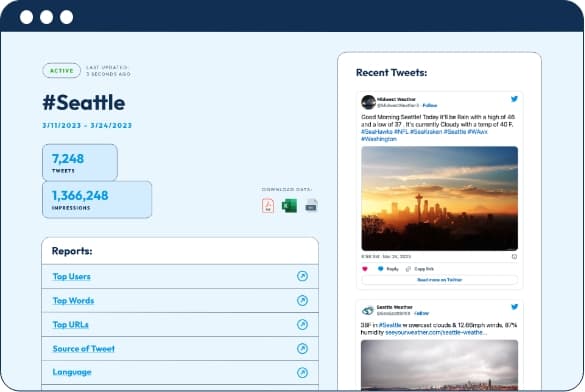
Tweet Archivist:
- Archive and analyze your scheduled tweets over time
- Track hashtag performance for scheduled campaigns
- Export data for custom reporting
- Start your free trial
Monthly Scheduling Review Checklist
Conduct a monthly review of your scheduling strategy:
- Compare this month's engagement to last month
- Identify top 10 performing scheduled tweets—what made them work?
- Identify lowest performing tweets—why did they flop?
- Review optimal posting times—have they changed?
- Check follower growth—is scheduling helping or hurting?
- Audit content mix—too promotional or well-balanced?
- Test one new scheduling tactic next month
- Adjust your scheduling calendar based on findings
For a comprehensive approach to measuring your Twitter performance, see our Twitter analytics best practices guide.
Start Scheduling Smarter Today
Tweet scheduling transforms Twitter from a time-consuming daily task into a strategic, manageable component of your marketing. Whether you use Twitter's free native scheduler or invest in advanced tools, the key is consistency, strategic timing, and continuous optimization based on data.
Start small—schedule just 3-5 tweets per week at optimal times. Monitor performance, adjust your approach, and gradually scale up as you identify what works for your unique audience.
Ready to take your Twitter analytics to the next level? Try Tweet Archivist free for 14 days to track, analyze, and optimize all your scheduled content.