Twitter SEO: How to Optimize Your Profile and Tweets for Search in 2026
Introduction
Twitter SEO has evolved from a niche tactic into a critical component of any comprehensive digital marketing strategy. With over 500 million active users and billions of tweets indexed by Google, optimizing your Twitter presence for search can dramatically increase your visibility, engagement, and business results.
Whether you're a brand looking to expand reach, a creator building an audience, or a business driving traffic to your website, understanding how to optimize your Twitter profile and tweets for both Google search and Twitter's internal algorithm is essential for success in 2026.
In this comprehensive guide, you'll discover proven Twitter SEO strategies that work for both Twitter's native search and Google's search engine results pages (SERPs). From profile optimization to tweet crafting and advanced tactics, we'll cover everything you need to know to boost your discoverability and grow your presence on the platform.
What is Twitter SEO?
Twitter SEO refers to the strategic optimization of your Twitter profile, tweets, and overall activity to increase visibility in both Twitter's internal search results and Google's search engine. Unlike traditional website SEO, Twitter SEO operates on two fronts simultaneously.
First, there's Twitter internal search optimization. When users search for topics, hashtags, or accounts directly on Twitter, the platform's algorithm determines which profiles and tweets to display. This algorithm considers factors like relevance, recency, engagement, and account authority.
Second, there's Google indexing of Twitter content. Public Twitter profiles and tweets are crawled and indexed by Google's search engine. When someone searches for your brand name, industry keywords, or related topics on Google, your Twitter content can appear in the search results, often ranking highly due to Twitter's domain authority.
The beauty of Twitter SEO is that many optimization tactics benefit both channels simultaneously. When you strategically use keywords in your bio and tweets, craft engaging content, and build authority, you're improving your visibility across multiple search platforms at once.
The Two-Platform SEO Advantage
Understanding this dual-platform dynamic is crucial. A well-optimized tweet can appear in Twitter search results within seconds of posting, while also being indexed by Google within hours or days, providing long-term discoverability. This gives your content two distinct pathways to reach potential followers and customers.
Why Twitter SEO Matters in 2026
The landscape of social media discovery has shifted dramatically. Users no longer rely solely on algorithmic feeds to find content. They actively search for specific topics, accounts, and conversations both on Twitter and through Google.
Here are the key reasons Twitter SEO should be a priority in your digital strategy:
Increased Organic Visibility and Impressions
Proper Twitter SEO optimization can multiply your tweet impressions without spending a dollar on advertising. When your tweets rank for relevant searches, they continue generating views and engagement long after the initial posting period. While the average tweet has a lifespan of just 15-20 minutes in followers' feeds, SEO-optimized tweets can attract visitors for weeks or even months through search traffic.
Higher Quality Audience Growth
When people discover your profile through search—whether on Twitter or Google—they're actively looking for content in your niche. This intent-driven discovery leads to higher-quality followers who are genuinely interested in your content and more likely to engage with your tweets. Services like Bulkoid can complement your SEO efforts by helping you scale your audience growth once you've established a strong optimization foundation.
Enhanced Brand Authority and Trust
Ranking prominently in search results signals authority and credibility. When your Twitter profile appears at the top of Google search results for industry-related keywords, it reinforces your brand's expertise and trustworthiness. This is particularly valuable for thought leaders, consultants, and businesses establishing themselves in competitive markets.
Measurable Business Impact
Twitter SEO directly supports business objectives by driving qualified traffic to your website, generating leads, and increasing conversions. By tracking your Twitter analytics, you can measure the concrete ROI of your optimization efforts through metrics like link clicks, profile visits, and follower growth.
Competitive Advantage
Despite its importance, many brands and creators still neglect Twitter SEO, focusing exclusively on content creation without strategic optimization. This presents a significant opportunity. By implementing the strategies in this guide, you can outrank competitors who have larger followings but haven't optimized for search discoverability.
Twitter SEO Ranking Factors
To optimize effectively, you need to understand the ranking factors that influence visibility. Twitter's algorithm and Google's search engine evaluate different signals, though there's significant overlap.
Twitter Internal Search Ranking Factors
Recency: Twitter heavily prioritizes fresh content. The platform's real-time nature means recent tweets generally outrank older ones for the same search query. This is why consistent posting is crucial—it keeps your content fresh in search results.
Relevancy: Twitter's algorithm analyzes the content of your tweets, profile information, and engagement patterns to determine relevance to a search query. This includes keyword matches in your username, display name, bio, and tweet text.
Engagement: Tweets with higher engagement (likes, retweets, replies, and clicks) receive algorithmic boosts in both timeline feeds and search results. The algorithm interprets engagement as a quality signal, pushing popular content to more users.
Account Authority: Established accounts with consistent activity, genuine followers, and strong engagement rates tend to rank higher than newer or less active accounts. Your account's overall reputation influences how prominently your tweets appear in search.
Hashtag Usage: Strategic hashtag use helps categorize your content, making it discoverable when users search for or follow specific topics. However, hashtag stuffing can hurt readability and appear spammy.
User Interactions: Twitter personalizes search results based on previous interactions. If a user frequently engages with your content, your tweets are more likely to appear in their search results.
Multimedia Content: Tweets containing images, videos, or GIFs typically receive preferential treatment in the algorithm, as they tend to generate higher engagement than text-only tweets.
Google Search Ranking Factors for Twitter Content
Search Intent Alignment: Google evaluates whether your Twitter content matches the searcher's intent. For informational queries, educational threads might rank. For navigational queries (brand searches), your profile page ranks.
E-E-A-T Signals: Google's E-E-A-T framework (Experience, Expertise, Authoritativeness, Trustworthiness) applies to social content. Accounts with verified credentials, consistent expertise demonstration, and legitimate engagement signals rank higher.
Keyword Optimization: Google indexes the text in your tweets, bio, display name, and profile URL. Strategic keyword placement throughout your Twitter presence improves search rankings for relevant queries.
Domain Authority: Twitter's high domain authority gives it a natural advantage in search results. This means even relatively new Twitter accounts can rank competitively on Google for certain keywords.
Mobile Optimization: Since Twitter is inherently mobile-friendly, its content tends to perform well in mobile search results, which now represent the majority of searches.
How to Optimize Your Twitter Profile for Search
Your Twitter profile is the foundation of your Twitter SEO strategy. It's often the first touchpoint for potential followers discovering you through search, and it's what both Twitter's algorithm and Google index when determining your relevance for search queries.
Username and Display Name Optimization
Your username (handle) and display name are two of the most important ranking factors for Twitter SEO. Both are prominently displayed in search results and heavily weighted by the algorithm.
Display Name Strategy: Your display name allows up to 50 characters and should include your primary keyword when possible. For personal brands, this might be "John Smith | Digital Marketing Expert" or "Sarah Johnson - SEO Consultant." For businesses, consider "Acme Software | Project Management Tools." The display name is indexed by both Twitter and Google, so keyword inclusion here significantly impacts your discoverability.
Username Best Practices: While your handle can't easily be changed without losing brand equity, if you're starting fresh or considering a rebrand, choose a handle that's memorable, brand-aligned, and includes keywords when naturally possible. Keep it short and easy to remember.
Crafting an SEO-Optimized Bio
Your 160-character bio is prime real estate for Twitter SEO. This text is indexed by Google and used by Twitter's algorithm to determine your profile's relevance for search queries.
Follow these bio optimization principles:
- Lead with your primary keyword in the first few words when natural
- Include 2-3 relevant keywords or phrases throughout the bio without keyword stuffing
- Clearly communicate your value proposition so both algorithms and humans understand what you offer
- Use relevant hashtags strategically (1-2 max) if they represent your core topics
- Include a location if your services or content are location-specific, as this helps with local search queries
Example of a well-optimized bio: "Digital Marketing Strategist helping B2B SaaS companies grow through SEO, content marketing & social media. 10+ years experience. Boston-based."
This bio naturally incorporates keywords (digital marketing, SEO, content marketing, B2B SaaS) while remaining readable and informative.
Profile and Header Image Optimization
Visual elements might seem purely aesthetic, but they impact SEO in important ways. A complete, professional-looking profile signals credibility to both users and algorithms.
For your profile image, use a high-quality photo or logo that's instantly recognizable. When uploading the image file, rename it to include your brand name or primary keyword (e.g., "john-smith-seo-consultant.jpg") before uploading, as Twitter retains filename information that can be indexed.
Your header image (1500x500 pixels recommended) offers an opportunity to reinforce your brand message visually. Consider creating a header that includes text highlighting your key services or value proposition, along with relevant keywords that support your positioning.
Website Link and Location
Always include your website URL in your profile. This creates a valuable backlink (though nofollow), drives traffic, and helps establish your authority. The link also shows Google the connection between your Twitter presence and your main website, which can support your overall SEO efforts.
Adding your location helps with local search optimization. If someone searches "SEO consultant New York" on Google, having your location specified increases the likelihood your profile will rank for that query.
Pinned Tweet Strategy
Your pinned tweet is prominently featured at the top of your profile and is often the first content piece visitors see. Optimize it strategically by including:
- Relevant keywords in the tweet text
- A strong visual element (image or video)
- A clear call to action
- Strategic hashtags (1-2 relevant tags)
- A link to your most important landing page or content
Consider your pinned tweet as a permanent piece of SEO real estate. Since it stays visible long-term, it accumulates engagement over time, which signals quality to the algorithm.
How to Optimize Your Tweets for Maximum Visibility
Individual tweets are opportunities to rank in both Twitter search and Google results. While each tweet may seem ephemeral, strategically optimized tweets can generate traffic and engagement for extended periods.
Keyword Integration in Tweets
The foundation of tweet SEO is strategic keyword usage. Unlike traditional SEO where keyword density can feel forced, Twitter's conversational format allows natural keyword integration.
Front-load keywords: Place your primary keyword in the first 100 characters of your tweet. Both Twitter's algorithm and Google give more weight to early text, and front-loaded keywords often appear in search snippets.
Use natural language: Write conversationally while incorporating keywords. Instead of "SEO tips for businesses," try "Here are 5 SEO strategies that helped my business increase organic traffic by 150%." The latter sounds natural while including relevant keywords (SEO strategies, business, organic traffic).
Target 1-2% keyword density: For longer tweets or threads, aim for your target keywords to appear naturally once or twice per 100-150 words without forcing it.
Strategic Hashtag Use
Hashtags are Twitter's native categorization system, making them crucial for discoverability. However, hashtag strategy has evolved significantly from the early days of Twitter.
Limit to 1-2 hashtags per tweet: Research consistently shows that tweets with 1-2 hashtags perform better than those with more. Excessive hashtags reduce readability and can appear spammy. Choose hashtags that are relevant, searchable, and have active communities.
Mix trending and evergreen hashtags: Trending hashtags can give you a temporary visibility boost, while evergreen hashtags in your niche provide long-term discoverability. For example, a social media marketer might use #TwitterTips (evergreen) alongside a timely trending hashtag.
Research hashtag popularity: Before using a hashtag, search for it on Twitter to gauge its activity level. Extremely popular hashtags have high competition, while very obscure ones have limited search volume. Find the middle ground—hashtags with steady activity but not overwhelming competition.
Create branded hashtags: For campaigns or recurring content series, create a unique branded hashtag. This won't help immediate SEO but builds a searchable archive of your content over time.
Leveraging Twitter Threads for SEO
Twitter threads have become one of the most powerful formats for Twitter SEO. They allow you to create in-depth content that accumulates engagement and provides more opportunities for keyword integration.
From an SEO perspective, threads offer several advantages:
- Increased keyword density: Multiple tweets mean more opportunities to naturally incorporate keywords and related terms
- Higher engagement potential: Well-crafted threads often generate more engagement than single tweets, signaling quality to the algorithm
- Better Google indexing: Comprehensive threads on specific topics are more likely to rank in Google results as they provide substantial content
- Shareability: Valuable threads get bookmarked and shared, creating more backlinks and social signals
When creating SEO-optimized threads, start with a strong hook tweet that includes your primary keyword, then explore subtopics using related keywords throughout the thread. Each tweet in the thread is indexed individually but also associated with the overall thread topic.
Alt Text for Images
Alt text is one of the most underutilized Twitter SEO tactics. When you add alt text to images, Twitter indexes that text, providing additional context about your tweet's content to both the algorithm and Google.
To add alt text, upload your image, click "Add description," and write a descriptive caption (up to 1,000 characters). Include relevant keywords naturally while accurately describing the image. For example: "Infographic showing Twitter SEO best practices including profile optimization, keyword strategies, and engagement tactics."
Alt text serves triple duty: it improves accessibility for visually impaired users, provides SEO value through additional keyword context, and can increase engagement as descriptive alt text makes content more discoverable.
Multimedia Content Optimization
Tweets with multimedia content (images, videos, GIFs) consistently outperform text-only tweets in both engagement and algorithmic distribution. The Twitter algorithm actively promotes visual content in both timelines and search results.
Images: Tweets with images receive 150% more retweets than text-only tweets. Use high-quality images relevant to your content, and always add keyword-rich alt text.
Videos: Native Twitter videos (uploaded directly to Twitter rather than linked from YouTube) receive preferential treatment in the algorithm. Keep videos under 2 minutes for maximum engagement, and include captions since many users watch without sound.
Optimize video filenames: Before uploading videos, rename the file to include relevant keywords (e.g., "twitter-seo-tutorial-2026.mp4"). While this may have minimal direct impact, it's a best practice for comprehensive optimization.
Timing and Posting Frequency
While not strictly an SEO factor, posting timing impacts engagement, which is a crucial ranking signal. Research shows that engagement rates vary significantly by industry and audience, so it's essential to analyze your specific data using Twitter analytics tools.
General best practices include:
- Post when your specific audience is most active (check your Twitter analytics)
- Maintain consistent posting frequency to keep your profile active in the algorithm
- Tweet multiple times daily to maximize visibility opportunities
- Experiment with different posting times and analyze performance
Consistency signals to Twitter's algorithm that your account is active and relevant, which can boost your overall profile authority and improve rankings for all your content.
Twitter SEO Best Practices and Advanced Strategies
Beyond basic optimization, these advanced strategies can significantly amplify your Twitter SEO results.
Build Engagement Through Interaction
Twitter's algorithm heavily weighs engagement when determining content visibility. The more your tweets are liked, retweeted, replied to, and clicked, the more prominently they appear in search results and timelines.
Proactively engage with others in your niche by:
- Replying to tweets from accounts in your industry
- Participating in relevant Twitter chats and discussions
- Quote tweeting with valuable insights added
- Asking questions that encourage responses
- Creating polls to drive engagement
Engagement creates a virtuous cycle: more interaction boosts your visibility, which leads to more followers and engagement, which further improves your algorithmic ranking.
Leverage Twitter's SERP Features
Twitter's search results page includes various SERP features you can leverage for increased visibility. When you search for keywords on Twitter, you'll see tabs for "Top" tweets, "Latest" tweets, "People," "Photos," and "Videos."
To maximize visibility across these features:
- Create high-engagement tweets to rank in "Top"
- Tweet frequently to appear in "Latest"
- Optimize your profile to rank in "People" results
- Share visual content to appear in "Photos" and "Videos" tabs
Different content types can dominate different SERP features, so diversify your content strategy to appear across multiple result types.
Monitor and Analyze Competitor Twitter SEO
Competitive analysis reveals what's working in your niche and uncovers opportunities. Study the Twitter accounts of top competitors or influencers in your space:
- What keywords do they use in their bios?
- Which hashtags generate the most engagement for them?
- What content formats (threads, videos, images) perform best?
- How frequently do they post?
- What topics resonate most with their audience?
Tools like Tweet Archivist allow you to analyze historical Twitter data, track hashtag performance, and identify trending topics in your industry, giving you data-driven insights to inform your strategy.
Create Topic Clusters and Content Silos
Organize your Twitter content into topic clusters, similar to content siloing in traditional SEO. Consistently tweet about specific themes, creating a depth of content around core topics.
For example, a social media marketing consultant might create clusters around:
- Twitter marketing strategies
- LinkedIn growth tactics
- Content creation tips
- Social media analytics
This approach signals topical authority to both Twitter's algorithm and Google, improving your rankings for queries related to these themes. It also makes your profile more valuable to followers interested in specific topics.
Build Twitter Lists Strategically
Twitter Lists are underutilized for SEO but offer significant benefits. Creating public lists around topics in your niche adds another layer of keyword optimization to your profile.
List titles and descriptions are indexed by Twitter's search and can appear in Google results. Create lists like "Top SEO Experts to Follow" or "Digital Marketing Thought Leaders," optimizing list names and descriptions with relevant keywords.
Cross-Platform Integration
Integrate your Twitter SEO efforts with your broader digital marketing strategy. Embed popular tweets on your blog posts, creating backlinks to your Twitter content. Link to your Twitter profile from your website, email signature, and other social profiles.
This cross-platform integration strengthens the connection between your various digital properties, supporting both your Twitter SEO and your overall online authority.
Measuring Your Twitter SEO Success
You can't improve what you don't measure. Tracking the right metrics allows you to refine your strategy and demonstrate the ROI of your Twitter SEO efforts.
Key Metrics to Track
Impressions: The number of times your tweets appear in timelines and search results. Increasing impressions indicates improved visibility and SEO performance.
Profile Visits: How many users view your full profile. This metric often increases when your Twitter SEO improves and you rank higher for relevant searches.
Follower Growth Rate: Track not just total followers but the rate of growth. Effective Twitter SEO should lead to steady, organic follower increases as more people discover your profile through search.
Engagement Rate: Total engagements (likes, retweets, replies, clicks) divided by impressions. A healthy engagement rate indicates your content resonates with your audience and will receive algorithmic boosts.
Link Clicks: If driving traffic to your website is a goal, track link clicks from your tweets. This demonstrates concrete business value from your Twitter SEO efforts.
Search Rankings: Manually check where your profile and tweets rank for target keywords on both Twitter search and Google. Document these rankings monthly to track progress.
Tools for Twitter SEO Analytics
Several tools can help you measure and improve your Twitter SEO performance:
Twitter Analytics (Native): Twitter's built-in analytics dashboard provides essential data on tweet performance, impressions, engagement, and audience demographics. It's free and should be your first stop for performance analysis.
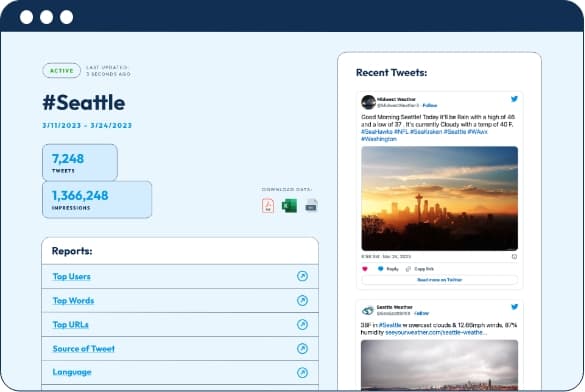
Tweet Archivist: Our platform offers advanced Twitter analytics features including historical data analysis, hashtag tracking, sentiment analysis, and competitive benchmarking. These insights help you identify what content performs best and optimize accordingly.
Google Search Console: Monitor how your Twitter content appears in Google search results. Track impressions, clicks, and average position for queries where your Twitter profile or tweets rank.
Third-Party Tools: Services like Bulkoid can help accelerate growth by complementing your organic SEO efforts with strategic audience building, though organic optimization should always be your foundation.
Creating a Measurement Dashboard
Build a simple dashboard (using Google Sheets, Excel, or a dedicated tool) to track your key metrics monthly. Include:
- Total impressions
- Profile visits
- Follower count and growth rate
- Average engagement rate
- Top performing tweets
- Keyword rankings (Twitter and Google)
- Website traffic from Twitter
Regular measurement allows you to identify trends, see what's working, and make data-driven optimization decisions.
Common Twitter SEO Mistakes to Avoid
Even experienced marketers make Twitter SEO mistakes that undermine their efforts. Avoid these common pitfalls:
Keyword Stuffing
While keywords are important, cramming your bio or tweets with excessive keywords makes content unreadable and can trigger spam filters. Always prioritize natural language and user experience over keyword density.
Hashtag Overload
Using 5-10 hashtags per tweet is a dated strategy that now hurts performance. Stick to 1-2 relevant, strategic hashtags maximum. Focus on quality over quantity.
Buying Followers or Engagement
Purchased followers and fake engagement might temporarily inflate vanity metrics, but Twitter's algorithm quickly identifies inauthentic activity. This can result in reduced reach, shadowbanning, or account suspension. Always focus on organic growth strategies.
Inconsistent Posting
Sporadic activity signals to the algorithm that your account isn't a priority. Maintain a consistent posting schedule to stay active in search results and timelines. Use scheduling tools if needed to maintain consistency.
Ignoring Analytics
Many users optimize blindly without checking if their changes improve results. Regularly review your analytics to understand what's working and what needs adjustment.
Neglecting Profile Completeness
An incomplete profile with missing bio, location, or website link signals low quality to both users and algorithms. Always maintain a 100% complete profile with all fields optimized.
Using Only Text Tweets
Text-only tweets consistently underperform visual content. Incorporate images, videos, and GIFs to boost engagement and algorithmic visibility.
Forgetting Alt Text
Most users never add alt text to images, missing a valuable SEO opportunity. Make alt text addition a standard part of your tweet creation process.
Not Engaging with Others
Twitter is a social platform. Accounts that only broadcast content without engaging in conversations miss significant algorithmic benefits and community-building opportunities.
Conclusion
Twitter SEO is no longer optional for brands and creators serious about maximizing their social media impact. By optimizing your profile, strategically crafting your tweets, and implementing the advanced tactics outlined in this guide, you can dramatically increase your visibility on both Twitter's platform and Google search results.
The key is to approach Twitter SEO systematically:
Start with your profile foundation: Optimize your display name, username, bio, images, and profile completeness with strategic keyword placement.
Create optimized content consistently: Craft tweets with front-loaded keywords, strategic hashtags, engaging multimedia, and descriptive alt text.
Build engagement: Actively participate in conversations, create valuable threads, and foster genuine connections with your audience.
Measure and refine: Use analytics tools to track performance, identify what works, and continuously improve your strategy.
Remember that Twitter SEO is a long-term strategy. While you may see some immediate improvements in profile visibility, building significant search rankings and authority takes consistent effort over months. The accounts that win at Twitter SEO are those that commit to ongoing optimization and authentic audience building.
As the social media landscape continues to evolve, the ability to be discovered through search—rather than relying solely on algorithmic feeds—becomes increasingly valuable. By implementing these Twitter SEO strategies now, you'll position yourself ahead of competitors and build a sustainable, discoverable presence on one of the world's largest social platforms.
Ready to take your Twitter strategy to the next level? Explore Tweet Archivist's analytics features to gain deeper insights into your Twitter performance, track hashtags, analyze competitors, and make data-driven decisions that boost your SEO results.