Twitter Lists: Complete Guide to Organization & Monitoring (2026)
Twitter lists are one of the platform's most powerful yet underutilized features for organizing your feed, monitoring competitors, and discovering high-quality content. While over 500 million tweets are posted daily, Twitter Lists let you create curated streams of specific accounts—allowing you to cut through the noise and focus on what matters most to your business or research.
Whether you're a social media manager tracking industry trends, a journalist monitoring breaking news, or a marketer conducting competitive intelligence, learning how to use Twitter Lists strategically can transform your Twitter experience from overwhelming chaos into organized, actionable intelligence.
This complete guide covers everything you should know about creating, managing, and leveraging Twitter Lists for maximum impact in 2026.
What Are Twitter Lists?
A twitter list is a curated group of Twitter accounts that you organize into custom feeds. Think of Lists as personalized folders that filter your timeline to show tweets only from accounts you've specifically chosen—without requiring you to follow them.
Key features of Twitter Lists:
- Customizable organization: Group accounts by topic, industry, role, or any criteria you choose
- No following required: Add any public account to a List without following them
- Public or private: Choose whether your Lists are visible to others or kept private
- Separate timeline: View tweets from List members in a dedicated feed, isolated from your main timeline
- Unlimited flexibility: Create up to 1,000 Lists, each containing up to 5,000 accounts
Twitter Lists work as personalized filters that help you monitor specific groups without cluttering your main feed. For example, you might create a private List of competitors to track their messaging strategy, a public List of industry thought leaders to showcase your network, or a List of local news sources for real-time regional updates.
The power of Twitter Lists lies in organization and focus. Instead of scrolling through thousands of tweets from everyone you follow, you can create targeted Lists that surface only the most relevant content for each specific purpose or project.
Why Twitter Lists Matter for Business and Research
Twitter Lists offer strategic advantages that go far beyond simple feed organization:
1. Competitive Intelligence Without Detection
Private Lists let you monitor competitor accounts, campaigns, and customer interactions without following them publicly. This stealth monitoring is invaluable for tracking competitor product launches, pricing changes, marketing campaigns, and customer sentiment—all without tipping them off.
2. Efficient Content Discovery
Instead of manually searching for quality content to share, create Lists of top content creators in your niche. You'll have an instant stream of shareable content, helping you maintain an active posting schedule and position yourself as a curator of valuable industry information.
3. Audience Segmentation
Organize your audience into Lists by customer type, engagement level, or interest. This segmentation enables targeted engagement strategies—you might prioritize responses to List members, share exclusive content, or tailor your messaging based on List categories.
4. Industry and Trend Monitoring
Track journalists, analysts, and thought leaders in your industry through dedicated Lists. You'll spot emerging trends early, identify newsjacking opportunities, and stay informed about regulatory changes or market shifts that could impact your business.
5. Lead Generation and Relationship Building
Create Lists of prospects, potential partners, or influencers you want to build relationships with. By monitoring their activity and engaging thoughtfully with their tweets, you can warm up relationships before making outreach attempts.
According to social media professionals, Twitter Lists are essential for social listening and brand monitoring. When combined with analytics tools like Tweet Archivist, Lists become even more powerful—enabling you to track, archive, and analyze conversations from specific groups over extended periods.
How to Create a Twitter List (Step-by-Step)
Creating a twitter list takes just minutes on either desktop or mobile. Here's exactly how to do it:
Creating Lists on Desktop:
- Navigate to Lists: Log into Twitter, click your profile menu, and select "Lists" from the sidebar (or go directly to twitter.com/your_username/lists)
- Start a new List: Click the "New List" button (icon with a plus sign) in the top right corner
- Name your List: Choose a descriptive name (maximum 25 characters). Use clear labels like "Tech Influencers," "Local Competitors," or "Industry News"
- Add a description: Write an optional description (maximum 100 characters) explaining the List's purpose. This helps others understand public Lists and helps you remember the purpose of private ones
- Set privacy: Toggle "Make private" on or off. Public Lists are visible to anyone and notify members when added; private Lists are visible only to you with no notifications
- Create the List: Click "Next" or "Create" to finalize
- Add members: Search for accounts to add, or visit any profile and click the three-dot menu, then "Add/remove from Lists"
Creating Lists on Mobile:
- Open Lists: Tap your profile icon, then select "Lists" from the menu
- Create new List: Tap the plus icon (+) in the bottom right corner
- Enter details: Add your List name, optional description, and privacy setting
- Save: Tap "Create" to finalize
- Add accounts: Search for accounts to add, or navigate to profiles and use the three-dot menu to add them to your new List
Pro tip: Start with 10-20 highly relevant accounts per List rather than trying to add everyone at once. You can always expand your Lists over time as you discover more valuable accounts.
Public vs. Private Lists: Which Should You Use?
One of the most important decisions when creating a twitter list is whether to make it public or private. Each option serves different strategic purposes.
Public Lists: When to Use Them
Public Lists are visible to anyone and send notifications to accounts when they're added. Best uses include:
Showcase your network: Create Lists like "Marketing Thought Leaders I Follow" or "Amazing Content Creators" to demonstrate your industry connections and curation skills
Build relationships: Adding someone to a public List with a flattering name ("Top SaaS Founders," "Brilliant Data Scientists") can be an effective relationship-building tactic. Recipients often check out your profile and may follow you back
Share resources: Public Lists can be followed by others, making them valuable for sharing curated resources with your audience or team
Thought leadership: Well-curated public Lists position you as a knowledgeable industry insider who knows who's worth following
Event organization: Create public Lists for conference attendees, speakers, or participants in Twitter chats
When to avoid public Lists: Don't use public Lists for competitor monitoring, prospect tracking, or any situation where notification would be awkward or reveal your strategy.
Private Lists: When to Use Them
Private Lists are visible only to you and send no notifications. Ideal for:
Competitor monitoring: Track competitors without following them or alerting them to your surveillance
Prospect research: Monitor potential clients or partners discreetly as part of your sales or partnership development process
Sensitive tracking: Follow accounts for personal or professional research where notification would be inappropriate
Testing and experimentation: Try out new accounts to see if their content is valuable before committing to follow them publicly
Crisis monitoring: Track accounts involved in sensitive situations, industry controversies, or potential PR issues
Quick decision framework: If the person being notified offers strategic benefit (relationship building, flattery, resource sharing), use a public List. If notification would be neutral or negative, use a private List.
For comprehensive monitoring and archiving of both public and private List activity, Tweet Archivist provides unlimited historical tracking that Twitter's native interface doesn't offer—essential for long-term competitive intelligence and trend analysis.
15 Strategic Ways to Use Twitter Lists
Now that you understand the basics, here are powerful ways social media professionals use Twitter Lists:
1. Competitor Intelligence Dashboard
Create a private List of direct competitors. Monitor their posting frequency, content themes, campaign launches, customer interactions, and engagement patterns. Track what works for them (and what doesn't) to inform your own strategy.
2. Customer Service Monitoring
Add your customers to a private List to monitor their tweets even when they don't mention your brand. Identify opportunities to provide proactive support or spot emerging issues before they escalate.
3. Influencer Relationship Building
Create a List of influencers you want to collaborate with. Engage regularly with their content through thoughtful replies and shares. When you eventually reach out for partnerships, you'll already be on their radar.
4. Industry News Hub
Build a List of journalists, trade publications, and industry analysts. You'll have a real-time newsfeed for your sector, helping you spot trends, find content to share, and identify opportunities for media outreach or newsjacking.
5. Content Curation Feed
Compile accounts that consistently share high-quality content in your niche. Use this List as your go-to source for content to retweet, keeping your feed active without creating everything from scratch.
6. Event Management
For conferences, webinars, or Twitter chats you're hosting or attending, create a List of participants. Monitor conversations in real-time, identify key takeaways, and continue relationship-building after the event ends.
7. Employee Advocacy
Make a public List showcasing your team members. This helps visitors discover your company culture, makes it easy for employees to find and support each other, and demonstrates transparency.
8. Local Market Monitoring
Track local businesses, news outlets, community organizations, and regional influencers. This is particularly valuable for businesses with physical locations or region-specific marketing campaigns.
9. Prospect Warming
Add potential customers to a private List. Monitor their pain points, interests, and needs based on what they tweet. Engage authentically with their content before making any sales outreach.
10. Partner and Vendor Tracking
Keep tabs on partners, suppliers, and service providers. Stay informed about their announcements, challenges, and opportunities for collaboration.
11. Hashtag Campaign Participants
During campaigns or contests, create Lists of participants. This makes it easier to engage with entries, track user-generated content, and identify your most enthusiastic advocates.
12. Thought Leadership Monitoring
Follow the top minds in your field to stay current with cutting-edge ideas, research, and debates. This keeps your own thinking sharp and helps you identify topics worth addressing in your content.
13. Media Pitch Research
Create Lists of journalists who cover your beat. Monitor what stories they're working on and what angles interest them before pitching. This dramatically improves pitch relevance and response rates.
14. Crisis and Risk Monitoring
Track accounts related to regulatory bodies, critics, or industry watchdogs. Early awareness of emerging issues gives you time to prepare responses or adjust strategies proactively.
15. Customer Feedback Mining
Monitor Lists of customers or users to discover feature requests, pain points, and use cases you hadn't considered. This qualitative feedback complements formal surveys and analytics.
For deeper insights into List activity, combining Twitter Lists with advanced search capabilities creates powerful research workflows. You can search within Lists using operators to find specific topics, sentiment, or engagement patterns.
Twitter List Management Best Practices
Creating Lists is just the beginning. Strategic list management ensures your Lists remain valuable over time:
1. Use Descriptive, Purpose-Driven Names
Name Lists clearly so you remember their purpose months later. "Comp-SaaS-Direct" is more useful than "List 23." For public Lists, use names that make sense to others and reflect well on your brand.
2. Keep Lists Focused and Manageable
Highly focused Lists of 15-50 accounts are more useful than bloated Lists of 500+ accounts. If a List grows too large, split it into multiple topic-specific Lists.
3. Regular Maintenance and Pruning
Quarterly, review your Lists and remove:
- Inactive accounts (no tweets in 3+ months)
- Accounts that changed focus or pivoted
- Low-value accounts that clutter your List feed
- Competitors who exited your market
4. Pin Your Most Important Lists
Twitter lets you pin Lists to appear at the top of your Lists page. Pin your most frequently checked Lists for quick access.
5. Organize Lists Hierarchically
Use naming conventions to group related Lists. For example: "Comp-Product," "Comp-Marketing," "Comp-Support" makes it clear all three Lists serve competitive intelligence.
6. Document List Purposes
For private Lists especially, use the description field to note the List's strategic purpose. Future you (or team members) will appreciate the context.
7. Share Public Lists Strategically
Promote valuable public Lists to your audience. Tweet the List URL occasionally with context: "I curated the 30 best AI researchers to follow—here's my List: [link]"
8. Use Lists with Third-Party Tools
Tools like TweetDeck let you create columns for multiple Lists, monitoring them simultaneously in a dashboard view. This is invaluable for real-time monitoring of several Lists at once.
9. Combine Lists with Monitoring Tools
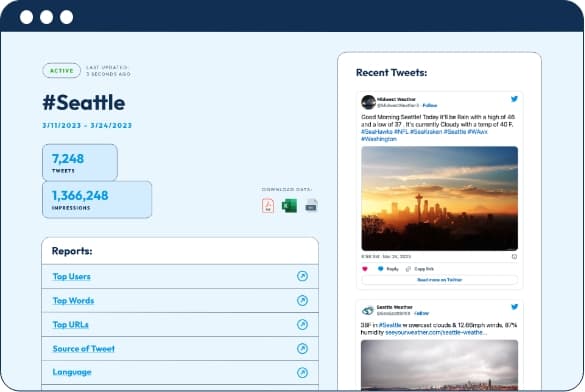
While Twitter's native List interface is useful, it doesn't provide historical data, analytics, or archiving. Tweet Archivist extends List functionality by tracking and archiving all tweets from List members over time—essential for trend analysis, sentiment tracking, and ensuring you never miss important developments even when you're offline.
10. Leverage Lists for Team Collaboration
Public Lists can be shared with team members who don't use your account. Share List URLs via Slack or email so everyone monitors the same sources.
Tools for Advanced Twitter List Management
While Twitter's native List features are powerful, specialized tools extend functionality for professional use:
Tweet Archivist (Recommended for Monitoring & Analytics)
Tweet Archivist is the premier tool for businesses and researchers who need comprehensive List monitoring:
- Historical archiving: Capture all tweets from List members automatically, preserving content even if later deleted
- Unlimited lookback: Access complete historical data, not just recent tweets
- Advanced analytics: Track engagement trends, sentiment, top contributors, and content themes across Lists
- Export capabilities: Download complete datasets from Lists to Excel/CSV for deeper analysis
- Competitive benchmarking: Compare activity across multiple Lists to benchmark competitors
- Alert system: Get notified when List members post tweets matching specific keywords or criteria
Ideal for: Competitive intelligence, market research, brand monitoring, academic research, journalism
Start your free 14-day trial to monitor Twitter Lists with professional analytics and archiving.
TweetDeck (Free Multi-List Dashboard)
Twitter's official tool for power users offers:
- Multi-column interface for monitoring several Lists simultaneously
- Real-time updates
- Easy scheduling and engagement
- Free for all Twitter users
Best for: Real-time monitoring, social media managers, customer service teams
Circleboom (Bulk List Management)
Specializes in List management at scale:
- Bulk add/remove accounts
- Import accounts from CSV
- Filter by activity level
- Clean up inactive accounts
Best for: Managing large Lists, periodic maintenance
Hootsuite & Sprout Social (Enterprise Management)
Full-featured social media management platforms with List support:
- Monitor Lists alongside other social channels
- Team collaboration features
- Scheduling and engagement tools
- Analytics and reporting
Best for: Agencies, large marketing teams, multi-channel strategies
Zapier + IFTTT (Automation)
Automate List management tasks:
- Auto-add accounts based on criteria
- Get notifications when List members tweet
- Integrate List activity with CRMs or spreadsheets
Best for: Power users comfortable with automation
Choosing the Right Tool:
For quick checks and real-time monitoring: TweetDeck
For comprehensive analytics and archiving: Tweet Archivist
For List cleanup and bulk management: Circleboom
For enterprise teams: Hootsuite or Sprout Social
Learn more about selecting tools in our Twitter listening tools comparison guide.
Combining Lists with Advanced Search for Power Users
One of the most underutilized Twitter features is combining Lists with advanced search operators. This creates incredibly precise research capabilities:
Search Within a List:
While viewing a List timeline, use the search box to find specific content from List members only. For example:
- Search "pricing" within your competitor List to find all pricing discussions
- Search "hiring" within your industry List to spot talent moves
- Search "frustrated" or "disappointed" within customer Lists to identify issues
Advanced Search + List Operators:
Use Twitter's search operators to query List members specifically:
list:username/list-slug keyword - searches for keyword within a specific List
For example: list:tweetarchivist/tech-news AI finds tweets about AI from accounts on the tweetarchivist/tech-news List.
Combine with other operators for powerful queries:
list:username/competitors "new product" since:2026-01-01 - finds competitor product announcements from 2026
For a complete guide to search operators, see our Twitter advanced search guide.
Common Twitter Lists Mistakes to Avoid
Even experienced users make these mistakes when managing Twitter Lists:
Mistake 1: Creating Too Many Unfocused Lists
Adding everyone to multiple overlapping Lists creates confusion. Keep Lists distinct with clear purposes.
Mistake 2: Using Public Lists for Competitive Monitoring
Never add competitors to public Lists like "Companies We're Beating" or "Competitors to Watch"—they'll receive notifications. Always use private Lists for competitive intelligence.
Mistake 3: Letting Lists Become Stale
Lists filled with inactive accounts or outdated sources lose value. Schedule quarterly reviews to prune and refresh.
Mistake 4: Ignoring List Analytics
If you're not tracking which List members generate the most engagement or valuable insights, you're missing optimization opportunities. Use tools like Tweet Archivist to analyze List performance.
Mistake 5: Not Using Lists for Historical Analysis
Twitter's interface only shows recent tweets. Without archiving List activity, you lose valuable historical data for trend analysis and competitive intelligence.
Mistake 6: Forgetting to Check Lists Regularly
Creating Lists without actually using them wastes the investment. Set calendar reminders to check key Lists or set up automated monitoring.
Mistake 7: Missing the List + Search Combination
Searching within Lists dramatically increases their research value. Most users never discover this capability.
Advanced List Strategies for Competitive Intelligence
For businesses serious about competitive intelligence, Twitter Lists enable sophisticated monitoring strategies:
Multi-Tier Competitor Monitoring:
Create separate Lists for:
- Direct competitors (same product, same market)
- Indirect competitors (different approach, same customer need)
- Potential entrants (companies that could pivot into your space)
- Substitute products (different solutions to the same problem)
Competitor Stakeholder Mapping:
Beyond tracking competitor accounts, create Lists of:
- Competitor executives (for strategic insights)
- Competitor customer service accounts (for customer sentiment)
- Former employees (for inside perspectives)
- Partner and vendor accounts (for relationship intelligence)
Signal Detection Lists:
Create Lists focused on early warning signals:
- Regulatory and policy accounts relevant to your industry
- Analyst and research firms
- Technology trend spotters
- Crisis and reputation accounts
Sentiment Analysis Workflow:
Combine Lists with sentiment analysis tools. Tweet Archivist's sentiment tracking can analyze the tone of tweets from List members, helping you gauge:
- Overall competitor sentiment (are customers happy?)
- Product launch reception
- Crisis severity
- Market mood
Privacy and Etiquette for Twitter Lists
Understanding List privacy and etiquette prevents awkward situations:
What People Can See:
- Public Lists: Anyone can see the List name, description, who created it, and all members
- Private Lists: Completely hidden from everyone except the creator
- Notifications: Users are notified when added to public Lists, never for private Lists
- List followers: Anyone can follow your public Lists to see the same timeline
Etiquette Best Practices:
Do:
- Use flattering names for public Lists ("Brilliant Marketers," "Top Industry Experts")
- Create Lists that add value for others (curated resources, community directories)
- Credit List creators when you find valuable Lists to follow
Don't:
- Use negative names for Lists, even private ones (lists have been accidentally made public)
- Add people to public Lists without considering how they'll perceive the categorization
- Create public Lists for sensitive purposes (monitoring, research, prospecting)
The Future of Twitter Lists
Twitter continues evolving Lists with new features and capabilities:
Recent and Upcoming Developments:
- Enhanced discovery features to help users find valuable public Lists
- Improved mobile List management interfaces
- Better integration with Twitter Blue and premium features
- Potential AI-powered List suggestions based on interests
Despite platform changes and the rebrand to X, Lists remain core to how power users organize and monitor Twitter. As the platform grows more crowded, the ability to create focused, curated feeds becomes increasingly valuable.
Twitter Lists transform an overwhelming fire hose of information into organized, strategic intelligence. Whether you're monitoring competitors, discovering content, building influencer relationships, or conducting market research, Lists let you create purpose-built feeds that surface exactly what you need.
The key is moving beyond basic List creation to strategic implementation: choosing the right privacy settings, maintaining focused memberships, combining Lists with search operators, and leveraging tools for analytics and archiving.
For social media managers, marketers, and researchers who need comprehensive List monitoring with historical data and analytics, Tweet Archivist extends Lists' power exponentially. Track unlimited Lists over time, analyze engagement patterns, export complete datasets, and never miss important developments from the accounts that matter most to your business.
Ready to master Twitter monitoring? Try Tweet Archivist free for 14 days—no credit card required.
Further Reading:
- Twitter Advanced Search Guide - Combine Lists with powerful search operators
- Twitter Listening Tools Comparison - Compare tools for monitoring Lists and keywords