How to Run Successful Twitter Giveaways in 2026 (With Examples)
Introduction
Twitter giveaways remain one of the most powerful tools for rapidly growing your audience and boosting engagement on the platform. When executed properly, a well-planned Twitter giveaway can generate thousands of impressions, hundreds of new followers, and meaningful connections with your target audience—all within a matter of days.
But here's the reality: not all giveaways are created equal. While some brands see explosive growth and engagement, others barely move the needle despite offering valuable prizes. The difference lies in understanding the strategy, legal requirements, and best practices that separate successful campaigns from failed attempts.
In this comprehensive guide, you'll learn exactly how to run a Twitter giveaway that delivers real results. We'll cover everything from choosing the right contest format and navigating legal compliance to selecting winners fairly and measuring your campaign's success. Whether you're a small business owner, social media manager, or influencer looking to expand your reach, this guide will give you the framework to launch giveaways that actually work.
Why Twitter Giveaways Work
The data speaks for itself: Twitter giveaways generate significantly higher engagement than standard posts. According to recent marketing research, giveaway tweets can achieve conversion rates of nearly 34%, dramatically outperforming typical image tweets or promotional content. But why are giveaways so effective on Twitter specifically?
Twitter's retweet mechanism creates a unique viral loop that other platforms struggle to match. When someone retweets your giveaway post, it appears in their followers' feeds with their implicit endorsement. This social proof effect is incredibly powerful—people are far more likely to engage with content that comes recommended by someone they follow. Each retweet exponentially expands your reach, creating a snowball effect that can take a well-designed giveaway from hundreds to thousands of impressions in hours.
Beyond the algorithmic advantages, Twitter giveaways tap into fundamental human psychology. The combination of potential reward, social participation, and low barrier to entry creates a compelling value proposition. Unlike complex multi-step contests on other platforms, Twitter giveaways typically require just one or two simple actions: follow an account and retweet a post. This simplicity dramatically increases participation rates.
For brands, the benefits extend beyond immediate engagement metrics. A successful Twitter giveaway helps you:
- Build genuine audience connections: Giveaways attract people genuinely interested in your niche when you choose relevant prizes
- Increase brand awareness rapidly: Each retweet introduces your brand to new potential customers within your target demographic
- Generate valuable data insights: Track which content resonates and use engagement analytics to refine future campaigns
- Create content opportunities: User-generated content from photo contests or creative challenges provides authentic marketing materials
- Drive traffic to other channels: Direct participants to your website, email list, or other social profiles
The key is approaching giveaways strategically rather than haphazardly. When you understand your goals, target the right audience, and follow proven best practices, Twitter giveaways become a reliable growth lever rather than a shot in the dark.
Types of Twitter Giveaways
Not all Twitter giveaways follow the same format. Different contest structures serve different objectives and appeal to various audience segments. Understanding the main types of Twitter giveaways helps you choose the format that best aligns with your campaign goals.
Retweet to Win Contests
The retweet to win format is the most straightforward and popular Twitter giveaway structure. Participants simply retweet your contest announcement tweet to enter. This format maximizes reach and visibility because every retweet exposes your brand to the participant's entire follower network. It's ideal for awareness campaigns and requires minimal effort from participants, resulting in high participation rates.
The main advantage is simplicity: you announce the giveaway, users retweet, and you randomly select a winner from all retweets. However, this format can sometimes attract users primarily interested in free prizes rather than your actual products or services. To combat this, pair retweet entries with a follow requirement to ensure participants remain connected to your brand after the contest ends.
Follow and Retweet Combination
This hybrid approach combines account following with retweeting, serving dual objectives: immediate reach (through retweets) and sustained audience growth (through new followers). When you require both actions for entry, you build a follower base while amplifying your message. This is particularly effective for brands prioritizing long-term audience development over single-campaign metrics.
The combination format works especially well when you're launching a new account or trying to reach a growth milestone. Services like Bulkoid.com can complement your organic giveaway efforts by helping you build foundational audience numbers that increase your contest's credibility and participation rates.
Reply to Win Contests
Reply to win contests ask participants to respond to your tweet with specific content—an answer to a question, their opinion on a topic, or a creative response. This format generates higher-quality engagement and provides valuable insights into your audience's preferences, challenges, and interests.
While reply contests typically generate fewer entries than retweet contests, the engagement is more meaningful. You're starting conversations rather than just collecting shares. This format works brilliantly for brands focused on community building and customer understanding. The responses you receive can inform product development, content strategy, and marketing messaging.
Hashtag Challenges
Hashtag challenges require participants to create content using a specific branded hashtag. This could be photos, videos, quotes, or stories related to your brand or campaign theme. The hashtag serves as both an entry mechanism and a content aggregation tool, making it easy to track submissions and measure campaign reach.
This format generates substantial user-generated content while building brand awareness across Twitter's search and trending features. When your hashtag gains traction, it can appear in trending topics, exponentially increasing visibility. Hashtag challenges work particularly well for lifestyle brands, creative campaigns, and contests with visual or storytelling elements.
Tag a Friend Contests
Tag a friend contests require participants to mention one or more friends in the comments to enter. This format leverages existing relationships to expand reach, as participants essentially recommend your brand to people they know. The personal connection makes tagged individuals more likely to engage with your content and brand.
This structure is excellent for driving qualified traffic because participants typically tag friends with similar interests. If someone tags a friend in your fitness brand's giveaway, that friend likely has interest in fitness products. However, be cautious with this format—excessive tagging can annoy users and create negative brand associations if overused.
Photo Caption or Creative Contests
These contests challenge participants to submit creative content: a funny caption for a photo you provide, an original meme, a product photo, or a design. While requiring more effort from participants, creative contests generate exceptional engagement from highly invested users and produce authentic content you can repurpose in marketing materials.
The barrier to entry is higher, which reduces total participation but increases entry quality. Creative contests position your brand as fun and community-oriented while providing entertainment value for followers who enjoy viewing submissions even if they don't enter themselves.
Vote to Win or Poll Contests
Vote to win contests use Twitter's poll feature, asking participants to vote on options you provide. Each vote serves as an entry, and you can randomize winner selection among all voters or award the prize to voters who chose a predetermined correct answer.
Poll contests are quick to enter and provide valuable market research data. You might ask participants to vote on preferred product colors, features, flavors, or designs, gathering customer insights while running your giveaway. This dual-purpose approach maximizes the value of your campaign investment.
Legal Requirements and Compliance
Running a Twitter giveaway isn't just about marketing strategy—it involves legal compliance that protects both your brand and participants. Failing to follow proper legal protocols can result in significant fines, legal action, and serious reputation damage. Before launching any giveaway, you must understand and implement these essential legal requirements.
Federal Trade Commission (FTC) Requirements
The FTC oversees promotional campaigns in the United States and mandates specific disclosures for social media giveaways. Most critically, the FTC requires that posts made as part of a giveaway entry must include either #sweepstakes or #contest. The shortened #sweeps is explicitly not sufficient—you must use the full hashtag to ensure transparency.
This requirement exists so viewers understand the post is part of a promotional campaign rather than genuine organic recommendation. When participants share your giveaway, they're essentially creating sponsored content on your behalf, and proper disclosure prevents deceptive marketing practices.
Additionally, all standard FTC advertising regulations apply to giveaways. This means you cannot make false or misleading statements about prizes, entry requirements, odds of winning, or any other contest element. Your promotional materials must accurately represent what participants can expect.
Official Rules Document
Every Twitter giveaway requires a comprehensive official rules document that serves as the legal contract between you and participants. This document must be easily accessible—typically linked in your giveaway announcement tweet—and should include the following elements:
- Eligibility requirements: Geographic restrictions, age requirements (typically 18+), and any other limitations on who can enter
- Entry period: Exact start and end dates with time zone specified
- Entry method: Clear explanation of how to enter and what actions constitute a valid entry
- Prize details: Complete description of prizes including approximate retail value, quantity, and any restrictions or limitations
- Winner selection method: How and when winners will be chosen (random drawing, judging criteria, etc.)
- Winner notification: How winners will be contacted and deadline for claiming prizes
- Odds of winning: Estimated odds or statement that odds depend on number of entries received
- Sponsor information: Your complete legal business name and contact information
- Platform disclaimer: Statement that the giveaway is not associated with or endorsed by Twitter/X
- Privacy policy: How you'll use participant data and contact information
- Release of liability: Protection from claims related to prize acceptance and use
While creating an official rules document might seem tedious, it's essential legal protection. Many brands use templates created by promotional law attorneys, customizing them for each specific campaign.
Avoiding Illegal Lottery Classification
Understanding the difference between a legal sweepstakes and an illegal lottery is critical. In the United States, a promotion becomes an illegal lottery when it contains all three elements: prize, chance, and consideration (something of value required to enter).
To keep your Twitter giveaway legal, you must eliminate consideration. This means entry must be completely free—no purchase required, no payment necessary, no significant effort demanded. Simply following a Twitter account or retweeting a post is generally considered free and acceptable. However, requiring entrants to make a purchase, pay a fee, or provide extensive personal information could constitute consideration.
The key is ensuring your giveaway remains a "free to enter" sweepstakes. Always include "no purchase necessary" language in your official rules and promotional materials. If you want to offer a purchase-based entry option (for example, buying a product to enter), you must provide an Alternate Method of Entry (AMOE) that's truly equivalent and free.
State Registration Requirements
Several U.S. states impose additional registration and bonding requirements for sweepstakes exceeding certain prize value thresholds. New York and Florida require sweepstakes sponsors to post bonds when total prize value exceeds $5,000. Rhode Island requires registration for retail promotions when prizes exceed $500 in value.
If your giveaway meets these thresholds, you must research specific state requirements and complete necessary registrations before launching. While this adds complexity, failing to register when required can result in significant penalties and legal complications.
Twitter's Promotion Guidelines
Beyond legal requirements, Twitter maintains its own promotion guidelines that you must follow to avoid account penalties or suspension. Twitter's rules explicitly prohibit:
- Creating multiple accounts to enter contests repeatedly
- Posting duplicate or substantially similar tweets (spam-like behavior)
- Using misleading hashtags or hijacking trending topics unrelated to your contest
- Editing tweets after posting to change their original context or purpose
- Requiring participants to post identical or near-identical content
Twitter encourages standard entry methods like following accounts, retweeting posts, using specific hashtags, and @mentions. These are explicitly allowed and won't trigger spam filters when used appropriately.
Privacy and Data Protection
When collecting participant information, you must comply with applicable privacy laws including GDPR (if you have European participants) and California's CCPA. Never publicly display sensitive information like email addresses, phone numbers, or physical addresses when announcing winners. Instead, contact winners privately through direct messages.
If your contest involves user-generated content submissions (photos, videos, creative work), your official rules must include language granting you rights to use that content. Clearly explain how you plan to use submissions and obtain explicit consent before repurposing user content in marketing materials.
How to Run a Twitter Giveaway: Step-by-Step
Now that you understand the landscape, let's walk through the practical process of launching and managing a successful Twitter giveaway from start to finish.
Step 1: Define Your Campaign Objectives
Before designing your giveaway mechanics, clarify exactly what you want to achieve. Different objectives require different strategies. Are you primarily seeking follower growth, brand awareness, engagement rate improvement, email list building, product launch buzz, or user-generated content? Your objective determines your contest format, prize selection, and success metrics.
Be specific with your goals. Instead of "increase followers," aim for "gain 1,000 new targeted followers in our industry." Specific objectives allow you to design appropriate contest mechanics and accurately measure success later.
Step 2: Choose Your Prize Strategically
Prize selection might be the single most important factor determining your giveaway's quality and success. The common mistake is offering prizes that are too generic or valuable, which attracts prize hunters rather than genuine potential customers.
Your prize should be closely related to your brand, products, or industry. If you sell fitness equipment, offer your own products or complementary items like workout gear. If you're a software company, offer extended subscriptions or premium features. Brand-relevant prizes attract participants who actually care about what you offer, resulting in higher-quality followers who remain engaged after the contest ends.
For prize value, bigger isn't always better. A $50 prize relevant to your niche often generates more qualified leads than a $500 generic prize like an iPad or Amazon gift card. The goal is attracting your target audience, not the entire internet.
Step 3: Select Your Contest Format
Based on your objectives and target audience, choose the giveaway format that best serves your goals. If you prioritize reach and awareness, a simple retweet contest works well. For audience growth, add a follow requirement. For engagement and community building, consider reply-to-win or hashtag challenges. For content generation, implement photo contests or creative challenges.
Keep entry requirements simple. Each additional requirement reduces participation. The sweet spot is typically 1-2 actions: follow + retweet, or retweet + reply. Avoid asking for follows on multiple platforms, likes, comments, tags, and shares all in one contest—you'll dramatically reduce entries.
Step 4: Create Your Official Rules
Draft your comprehensive official rules document covering all the legal elements discussed earlier. Host this document on your website at a permanent URL that won't change. Many brands create a dedicated promotions page listing current and past giveaway rules for easy reference and compliance.
Have your rules reviewed by a legal professional familiar with promotional law, especially if your prize value is substantial or you're a larger organization. The small investment in legal review can prevent expensive problems later.
Step 5: Design Your Announcement Tweet
Your giveaway announcement tweet must clearly communicate the value proposition, entry requirements, deadline, and include eye-catching visuals. Use this structure:
- Hook: Lead with the exciting element—the prize or benefit
- Entry instructions: Clearly state how to enter (follow + retweet, reply, etc.)
- Deadline: Specify when the giveaway ends
- Rules link: Direct participants to full official rules
- Visual element: Include an attention-grabbing image or video of the prize
- Required hashtags: Include #giveaway, #contest, or #sweepstakes for FTC compliance
Make your tweet visually distinct with high-quality images of your prize. Tweets with images receive significantly more engagement than text-only posts, and visual appeal directly impacts participation rates.
Step 6: Launch and Promote Your Giveaway
When you're ready to launch, post your announcement tweet and pin it to the top of your profile so all visitors immediately see it. Don't rely solely on organic reach—promote your giveaway across all your marketing channels.
Share it in email newsletters, other social media platforms, your website, blog posts, and relevant online communities (following each platform's promotional guidelines). If you have budget, consider promoting your announcement tweet with Twitter Ads to jumpstart participation and reach audiences beyond your current followers.
The first few hours are critical. Encourage your team, partners, and loyal customers to retweet and engage early. Initial engagement signals Twitter's algorithm that your content is valuable, increasing its organic reach.
Step 7: Monitor and Engage Throughout the Campaign
Don't post your giveaway and disappear. Actively monitor participation, respond to questions, and engage with participants throughout the contest period. This demonstrates that real people run your brand and builds positive associations.
Use Twitter analytics tracking to monitor impressions, engagements, profile visits, and follower growth in real-time. These insights help you understand what's working and inform future campaigns.
If participation is lower than expected, consider extending the deadline or adding secondary promotion. If it's exceeding expectations, ensure you're prepared to handle the increased customer service volume and follower engagement after the contest ends.
Step 8: Select and Announce Winners
When your giveaway period ends, select winners using a fair and transparent method. We'll discuss specific tools and techniques in the next section, but the key is ensuring randomness and documenting your selection process.
Announce winners publicly on Twitter, tagging them in your announcement. Congratulate them enthusiastically and thank all participants for entering. This positive closing reinforces your brand's community-oriented image.
Simultaneously, contact winners privately through direct messages with instructions for claiming their prizes. Set a reasonable deadline (typically 48-72 hours) for winners to respond, with alternate winner selection clearly stated in your official rules if primary winners don't claim prizes.
Step 9: Fulfill Prizes Promptly
Ship or deliver prizes as quickly as possible after winners respond. Delayed prize fulfillment creates negative experiences that winners will share publicly, damaging your reputation. If prizes require shipping, provide tracking information and maintain communication throughout the fulfillment process.
For digital prizes like subscriptions or gift codes, delivery should be immediate. The faster you fulfill prizes, the more likely winners are to share their positive experience, providing valuable social proof for future campaigns.
Step 10: Analyze Results and Document Learnings
After your giveaway concludes, conduct a comprehensive analysis of its performance against your original objectives. Review metrics including total entries, reach and impressions, new followers gained, engagement rate, website traffic driven, email signups generated, and cost per acquisition.
Document what worked well and what you'd change for next time. This institutional knowledge becomes invaluable for optimizing future campaigns. Share insights with your team and create a giveaway playbook capturing best practices specific to your brand and audience.
Best Practices for Maximum Engagement
Beyond the basic mechanics, these proven best practices can significantly increase your Twitter giveaway's effectiveness and return on investment.
Time Your Giveaway Strategically
Launch timing affects participation rates. Generally, mid-week (Tuesday through Thursday) sees higher engagement than weekends. Avoid major holidays unless your giveaway specifically ties to that holiday. Consider your industry's seasonal patterns—fitness brands might run major giveaways in January (New Year's resolution season) while retail brands focus on holiday shopping periods.
Contest duration also matters. Very short giveaways (24-48 hours) create urgency but limit reach. Longer campaigns (2-4 weeks) allow more participation but can lose momentum. The sweet spot for most brands is 7-10 days—long enough for awareness to spread but short enough to maintain excitement.
Partner with Complementary Brands or Influencers
Collaboration giveaways amplify reach by combining audiences from multiple accounts. Partner with brands that share your target demographic but aren't direct competitors. For example, a yoga clothing brand might partner with a meditation app, a healthy snack company, or a fitness influencer.
When structuring partnerships, participants follow and engage with all partnering accounts to enter. This exposes each brand to the other's audience, creating mutual benefit. Just ensure partner brands align with your values and quality standards—their reputation affects yours.
Create Scarcity and Urgency
Psychological triggers like scarcity and urgency increase participation. Limited-time offers create FOMO (fear of missing out), prompting people to enter immediately rather than procrastinating and forgetting. Clearly communicate your deadline and consider countdown reminders as the end approaches.
Limited quantity also drives action. "First 100 entrants receive X" or "Only 5 prizes available" creates competitive motivation. However, balance scarcity with accessibility—making entry too exclusive can backfire by discouraging participation.
Build Anticipation with Teasers
Don't launch your giveaway cold. Build anticipation with teaser posts in the days leading up to your launch. "Something exciting coming this Friday" or sneak peeks of the prize generate curiosity and ensure maximum participation when you officially launch.
This strategy is particularly effective if you have an engaged existing audience. Your most loyal followers will watch for the official announcement and enter immediately, creating the crucial early engagement that signals Twitter's algorithm.
Make Entry Effortless
Every additional requirement reduces participation. If your goal is maximum reach, keep entry requirements minimal—just follow and retweet. Only add complexity if you have specific objectives that justify it. A reply requirement makes sense if you want conversations and insights. A hashtag requirement works if you're building a content campaign. But don't add requirements arbitrarily.
Clear instructions are equally important. Ambiguity creates confusion that prevents entries. Your announcement tweet should leave zero questions about how to participate.
Showcase Social Proof
Throughout your campaign, share participation metrics: "Over 5,000 entries already!" or "Our biggest giveaway yet—join now!" Social proof demonstrates that others find your contest valuable, encouraging additional participation through the bandwagon effect.
After the contest, share winner announcements and their testimonials. Photos of happy winners receiving prizes provide powerful proof for future campaigns that you actually deliver on your promises.
Engage with Participants
Don't treat your giveaway as a one-way broadcast. Respond to participant replies, answer questions, and engage with related content. This human interaction builds relationships beyond the transactional giveaway entry, fostering genuine community connection.
For reply-to-win contests especially, like and respond to creative or thoughtful entries. This recognition encourages additional participation and demonstrates that real people read and appreciate entries.
Continue Engagement Post-Giveaway
The giveaway end isn't the relationship end. New followers gained need nurturing to prevent immediate unfollows. Post valuable content that justifies why people should remain followers. Share educational content, entertaining posts, and occasional promotions that serve your new audience.
Consider a welcome tweet thanking new followers and directing them to your best content or resources. This onboarding approach increases retention and conversion of giveaway participants into long-term community members.
Maintain Consistent Brand Voice
Your giveaway should feel authentically connected to your brand, not like a desperate grab for attention. Use your established brand voice and visual style in all giveaway communications. This consistency reinforces brand identity and ensures participants understand what your brand represents beyond free prizes.
Test and Iterate
Don't expect perfection on your first giveaway. Treat each campaign as an experiment providing valuable data for optimization. Test different variables: prize types, entry requirements, contest duration, promotional strategies, and announcement tweet formats. Track performance metrics and continuously refine your approach based on results.
Winner Selection Methods and Tools
Selecting winners fairly and transparently is crucial for maintaining trust and legal compliance. The method you choose should be random, documented, and clearly communicated to participants.
Why Randomness Matters
Random winner selection ensures fairness and legal compliance. Skill-based contests where winners are judged have different legal classifications and requirements in many jurisdictions. Random selection keeps your promotion in the sweepstakes category, which has simpler legal requirements for most brands.
Transparency about your random selection process also builds trust. Participants are more likely to enter and recommend your giveaways when they believe winners are chosen fairly rather than arbitrarily or based on subjective preferences.
Manual Winner Selection Methods
For small giveaways with limited entries, manual selection is feasible. However, even manual selection should use random tools rather than personal choice.
Spreadsheet Method: Export all entries to a spreadsheet, assign each a number, then use a random number generator (like Random.org) to select winning numbers. This works well for entries submitted via replies or hashtags that you can compile manually.
Twitter Lists: Create a private Twitter list containing all participants, then use a random number generator to select winners by position in the list. This requires manually adding participants but provides a clear record of eligible entries.
Automated Winner Selection Tools
For contests with dozens or hundreds of entries, automated tools dramatically simplify winner selection while ensuring fairness and transparency.
Twitter Picker: One of the most popular free tools, Twitter Picker randomly selects winners from retweets of your giveaway tweet. Simply enter your tweet URL, and the tool extracts all retweeters and randomly selects a winner. It displays the selection process visually, providing transparency you can share with participants.
Gleam: A comprehensive contest platform that manages entry collection and winner selection across multiple social platforms including Twitter. Gleam tracks various entry methods (follows, retweets, replies) and can assign different entry weights to different actions. It provides full contest management from launch through winner selection.
RafflePress: Similar to Gleam, RafflePress offers full contest management with viral sharing features that encourage participants to share your giveaway for additional entries. It integrates with your website and social channels for seamless cross-platform campaigns.
AppSorteos: A specialized Twitter giveaway tool that selects winners from retweets, followers, or participants who used specific hashtags. It provides certificate-style proof of winner selection that you can share publicly to demonstrate fairness.
ViralSweep: An enterprise-grade contest platform with advanced features including fraud detection, multi-platform integration, and detailed analytics. It's ideal for brands running frequent or high-value giveaways requiring sophisticated management.
Winner Selection Best Practices
Regardless of your chosen method, follow these best practices when selecting winners:
- Verify eligibility: Before announcing winners, verify they meet all eligibility requirements stated in your official rules (age, location, entry method compliance)
- Check for duplicate accounts: Ensure winners didn't create multiple accounts to increase winning odds, which violates Twitter's promotion guidelines
- Document the process: Screenshot or record your winner selection process as proof of fairness and legal compliance
- Have backup winners: Select 2-3 alternate winners in case primary winners don't respond or are ineligible
- Respect privacy: Never share winners' personal information (email, phone, address) publicly—only Twitter handles
- Announce promptly: Select and announce winners as close to your stated deadline as possible; delays create negative perceptions
Handling Disputes and Complaints
Occasionally, participants will question winner selection legitimacy or claim they weren't considered despite entering. Handle these situations professionally:
Respond publicly to acknowledge their concern, then move to direct messages for detailed resolution. Explain your selection method and verify whether they completed all entry requirements. If they're correct that an error occurred, acknowledge it and consider making appropriate adjustments.
Most importantly, maintain detailed records of all entries, selection process, and communications. This documentation protects you if legal questions arise and allows you to confidently address participant concerns with facts.
Real Examples of Successful Giveaways
Learning from successful campaigns helps you understand what works in practice. While specific brands and results vary, these example patterns demonstrate effective approaches.
The Simple Retweet Campaign
A mid-sized e-commerce brand selling outdoor gear ran a straightforward giveaway: follow + retweet to win a $200 camping equipment package. The prize was directly related to their products, attracting their target demographic. Over 7 days, they gained 2,400 new followers and 8,700 retweets, generating over 1.2 million impressions. Post-campaign analysis showed 67% of new followers remained engaged one month later, significantly higher retention than typical follow-for-follow strategies.
The key to this campaign's success was prize relevance and clear target audience alignment. They weren't trying to attract everyone—just outdoor enthusiasts who might actually purchase their products.
The Hashtag Challenge Campaign
A travel company created a photo contest asking participants to share their best vacation photos using a branded hashtag. Entries flooded in showcasing beautiful travel destinations, and the company gained valuable user-generated content they repurposed in marketing materials. The campaign generated over 3,000 submissions and created an ongoing hashtag that participants continue using after the contest ended, providing sustained brand visibility.
This approach worked because it aligned perfectly with the company's brand identity (travel and adventure) and created ongoing value beyond the single campaign through repurposable content and a lasting hashtag presence.
The Partnership Giveaway
Two complementary brands—a fitness apparel company and a healthy meal prep service—ran a joint giveaway offering a complete healthy lifestyle package worth $500. Participants needed to follow both brands and retweet to enter. The partnership exposed each brand to the other's audience, resulting in significant cross-pollination. Each brand gained approximately 3,500 new followers, and post-campaign surveys showed high awareness of both brands among new followers of each.
The partnership strategy doubled the reach while splitting the prize cost, creating efficiency and introducing each brand to highly relevant new audiences that aligned with their target demographics.
The Reply-to-Win Engagement Campaign
A software company asked participants to reply with their biggest productivity challenge to win a year of premium software access. This generated over 1,800 thoughtful replies that provided invaluable customer research insights. The company used these responses to inform product development, content marketing topics, and customer messaging. Beyond the immediate contest success, the insights generated ROI that far exceeded the prize value.
This campaign demonstrates how the right contest format can serve multiple objectives simultaneously—engagement, customer research, and community building—while also providing prize value to participants.
Common Mistakes to Avoid
Understanding common pitfalls helps you avoid them in your own campaigns. These mistakes consistently undermine Twitter giveaway effectiveness.
Choosing Generic or Irrelevant Prizes
The biggest mistake brands make is offering prizes unrelated to their products or target audience. An iPad giveaway might generate thousands of entries, but if you sell B2B software, those entries represent random prize hunters rather than potential customers. You'll see massive unfollows after the contest ends and minimal conversion to actual customers.
Always choose prizes that attract your specific target audience. If you can't afford your own products as prizes, select complementary items that appeal to the same demographic. Relevance trumps value for sustainable growth.
Overcomplicating Entry Requirements
Requiring participants to follow five accounts, retweet three tweets, like a post, reply with specific content, and tag three friends dramatically reduces participation. Each additional requirement is a friction point where potential entrants drop off. Keep requirements minimal unless complexity serves a specific, valuable purpose.
Neglecting Legal Requirements
Skipping official rules, forgetting required disclosures, or not understanding contest law creates serious liability. Even if you're a small business or individual, you're not exempt from legal requirements. Taking shortcuts here can result in fines, lawsuits, and reputation damage that far exceed any contest benefits.
Invest time in understanding requirements or consult with a promotional law attorney. The small upfront investment prevents expensive problems later.
Ignoring Twitter's Promotion Guidelines
Violating Twitter's promotion rules can result in account suspension or permanent bans. Don't encourage spam-like behavior, multiple account creation, or misleading practices. Follow the platform's guidelines explicitly—your entire Twitter presence depends on maintaining good standing with the platform.
Failing to Follow Through Promptly
Delayed winner selection or prize fulfillment creates negative experiences that participants share publicly. If your rules state winners will be announced within 48 hours of contest end, meet that deadline. If you promise prizes will ship within one week, ensure they do. Broken promises destroy trust and damage your brand reputation far beyond the single contest.
Not Engaging with Participants
Posting your giveaway and disappearing sends the message that participants are just numbers rather than valued community members. Respond to questions, engage with creative entries, and maintain active presence throughout the campaign. This engagement builds relationships that extend beyond the transactional contest entry.
Ignoring Post-Campaign Follow-Up
Gaining thousands of new followers is meaningless if they unfollow within days because you don't provide value after the contest. Plan your post-giveaway content strategy before launching. What will you post to retain and engage new followers? How will you deliver value that justifies their continued attention?
Not Tracking Results Properly
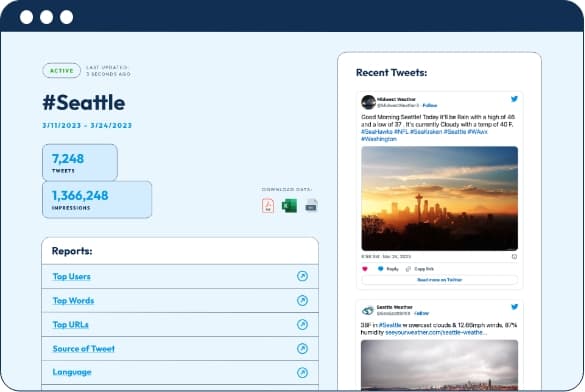
Running a giveaway without comprehensive analytics makes it impossible to assess success, justify investment, or optimize future campaigns. Track all relevant metrics from start to finish using Twitter's native analytics and supplementary tools like Tweet Archivist for comprehensive historical data and engagement analysis.
Running Giveaways Too Frequently
If you constantly run giveaways, your audience begins expecting them and won't engage with your regular content. Giveaways lose their special nature and effectiveness. Generally, quarterly giveaways work well for most brands—frequent enough to provide regular engagement boosts but spaced enough to maintain impact.
Measuring Success and Analytics
You can't improve what you don't measure. Comprehensive analytics allow you to assess your giveaway's performance, calculate return on investment, and optimize future campaigns.
Essential Metrics to Track
Different objectives require different success metrics, but these core measurements apply to most Twitter giveaways:
Follower Growth: Track net new followers gained during your campaign period. Compare this to your baseline growth rate to isolate giveaway impact. Also measure follower retention at 7, 30, and 90 days post-campaign to understand how many contest followers remain engaged long-term.
Reach and Impressions: Total impressions show how many times your giveaway content was displayed. Reach indicates unique users who saw your content. High reach relative to your follower count indicates strong viral amplification through retweets and engagement.
Engagement Rate: Calculate total engagements (retweets, replies, likes, clicks) divided by impressions. This shows how compelling your giveaway was relative to its visibility. Strong giveaways typically see engagement rates 5-10x higher than standard posts.
Entries per Follower: Divide total entries by your starting follower count to understand what percentage of your audience participated. This indicates how appealing your giveaway was to existing followers.
Cost per Acquisition: Calculate total giveaway costs (prize value + promotional costs + labor) divided by new followers gained. This shows your cost efficiency and helps justify giveaway investment relative to other growth strategies.
Traffic Driven: If your giveaway included links to your website (in official rules or campaign landing pages), track website traffic from Twitter during the campaign period. This shows how effectively your contest drove visitors beyond the platform.
Email List Growth: If your giveaway included optional email newsletter signup, track new subscribers gained. Email addresses are typically more valuable than social follows for long-term customer relationship building.
Using Twitter Analytics
Twitter's native analytics dashboard provides essential data about your giveaway performance. Access it by clicking "More" in your left sidebar, then "Analytics." The Tweet activity section shows individual tweet performance including impressions, engagements, and engagement rate.
For your giveaway announcement tweet specifically, you can see detailed engagement breakdowns: retweets, likes, replies, profile clicks, URL clicks, and more. This granular data helps you understand which elements resonated most with your audience.
Advanced Analytics with Third-Party Tools
For deeper insights and historical tracking beyond Twitter's limited native analytics, consider comprehensive tools like Tweet Archivist. These platforms allow you to track hashtag performance, archive all entries for record-keeping and compliance, analyze sentiment in replies, and compare performance across multiple campaigns to identify trends.
Historical data becomes particularly valuable when running multiple giveaways. You can identify patterns: which prize types generate most engagement, which entry requirements drive most participation, which promotional timing works best, and which audience segments respond most strongly.
Qualitative Analysis
Numbers tell an important story, but qualitative feedback provides equally valuable insights. Read through replies and direct messages from participants. What did they say about your brand, prize, or contest experience? This feedback often reveals opportunities for improvement that quantitative metrics miss.
Pay particular attention to confused questions or complaints. These indicate friction points in your contest design or communication that you can smooth out in future campaigns.
ROI Calculation
Calculate your giveaway's return on investment by comparing costs against value generated. Costs include prize value, promotional advertising spend, design and creative work, and labor hours spent managing the campaign. Value includes new followers (at your typical cost per follower through other channels), email subscribers (at your typical cost per subscriber), website traffic (at your typical paid traffic costs), and actual sales generated from campaign participants.
For many brands, the immediate quantifiable ROI may not seem impressive. The real value often emerges over months as new followers become customers, email subscribers make purchases, or increased brand awareness drives organic growth. Track cohort performance of giveaway-acquired followers compared to other acquisition channels over 3-6 months for true ROI assessment.
Competitive Benchmarking
Research competitor giveaways and industry standards to understand how your performance compares. If similar brands in your space typically gain 1,000 followers per giveaway and you gained 300, that indicates room for optimization. If you significantly outperformed norms, analyze what you did differently to replicate that success.
Benchmarking provides context for your results and helps set realistic expectations for future campaigns. It also identifies potential partnership opportunities with complementary brands running similar contests.
Conclusion
Twitter giveaways remain one of the most effective tactics for rapid audience growth and engagement when executed strategically. The difference between successful campaigns and failed attempts lies in understanding the fundamentals: choosing relevant prizes that attract your target audience, following legal requirements that protect your brand and participants, selecting the right contest format for your specific objectives, and maintaining engagement throughout and after the campaign.
Success isn't about running the biggest giveaway or offering the most expensive prizes. It's about authentic connection with your target audience, providing genuine value, and building relationships that extend beyond the contest period. When you approach giveaways strategically rather than as quick-win tactics, they become reliable growth levers that deliver sustained results.
Start with your first giveaway using the frameworks provided in this guide. Keep entry requirements simple, choose a prize relevant to your brand, follow all legal requirements, and track comprehensive analytics. Each campaign provides valuable learning that informs and improves your next attempt.
For comprehensive Twitter analytics and historical data tracking that helps you measure giveaway success and optimize future campaigns, explore Tweet Archivist's analytics platform. Understanding your engagement patterns, audience growth trends, and content performance over time enables data-driven decisions that multiply your Twitter marketing effectiveness.
Ready to launch your first successful Twitter giveaway? Use this guide as your roadmap, start planning today, and join the thousands of brands using strategic giveaways to build engaged, authentic communities on Twitter.