How to Write Twitter Threads That Go Viral: The Complete 2026 Guide
Introduction
Twitter threads have become the most powerful format for building audience, establishing authority, and driving engagement on X (formerly Twitter) in 2026. While a single tweet maxes out at 280 characters, threads let you tell complete stories, share detailed frameworks, and deliver value that keeps readers engaged for minutes instead of seconds.
The numbers don't lie: threads receive 63% more impressions on average compared to single tweets, and the platform's algorithm actively rewards time-on-post engagement. When someone stays engaged with your thread, scrolling through tweet after tweet, Twitter's algorithm interprets this as high-quality content and amplifies it to more users.
But here's the challenge: most threads never get past 100 views. The difference between a thread that flops and one that goes viral often comes down to specific, learnable techniques. In this comprehensive guide, you'll discover the exact formulas, structures, and strategies that top Twitter creators use to consistently create threads that earn thousands of retweets, hundreds of thousands of impressions, and grow their following by the day.
Whether you're a business owner building brand awareness, a creator growing your audience, or a marketer driving traffic and conversions, mastering how to write Twitter threads is one of the highest-leverage skills you can develop for social media success.
Why Twitter Threads Go Viral in 2026
Understanding why threads perform so well is crucial to writing them effectively. Twitter's algorithm has evolved significantly, and in 2026, it prioritizes three key signals:
1. Time-on-Post Engagement: The longer someone stays engaged with your content, the more Twitter's algorithm boosts it. Threads naturally keep users on your content for extended periods as they scroll from one tweet to the next, signaling to the algorithm that your content is valuable.
2. Sequential Engagement: Each tweet in a thread that gets liked, retweeted, or replied to compounds the thread's overall reach. When the first tweet hooks someone and they engage, then continue to engage with subsequent tweets, the algorithm sees this as exceptional content worth showing to more people.
3. Conversation Starters: Threads that spark discussions in replies create even more engagement signals. Twitter rewards content that generates genuine conversations, not just passive consumption.
Beyond algorithmic advantages, threads work because they satisfy fundamental psychological triggers. Humans are wired for stories, and threads deliver narrative structure with natural cliffhangers that keep readers scrolling. Each tweet acts as a mini-chapter, creating anticipation for what comes next.
The format also allows you to demonstrate expertise and build trust over the course of 5-10 tweets in a way that a single post simply cannot achieve. By the end of a well-crafted thread, readers feel like they've learned something substantial, making them more likely to follow you for future content.
The Anatomy of a Viral Thread
Before diving into specific techniques, let's break down the core components every successful thread contains:
The Hook (Tweet 1)
Your opening tweet is everything. Studies of viral threads show that top creators often write 10-15 different versions of their hook before choosing the final one. The hook determines whether someone stops scrolling and engages or keeps moving past your content forever.
A powerful hook must accomplish three things simultaneously: capture attention, promise value, and create curiosity. It's not enough to simply state your topic—you need to make readers feel they can't afford to miss what comes next.
The Body (Tweets 2-8)
The body of your thread delivers on the promise made in your hook. This is where you share your framework, tell your story, or provide the tactical advice your audience came for. Each tweet in the body should advance the narrative while standing alone as a valuable piece of content.
The sweet spot for thread length is 5-7 tweets (excluding your final CTA), though threads can certainly go longer if the content justifies it. The key is maintaining momentum—every tweet should give readers a reason to continue to the next one.
The Bridge (Tweets 9-10)
As you approach the end of your thread, you need to transition from pure value delivery to your call-to-action. This is where you summarize the key takeaway, reinforce the value provided, and set up your ask.
The Call-to-Action (Final Tweet)
Your final tweet should tell readers exactly what to do next. This might be asking them to retweet the thread, follow you for more content, check out a product or service, or visit a link. Threads without clear CTAs leave engagement on the table—give people a specific next step.
The 4-Part Hook Formula That Commands Attention
The hook is the most critical element of your thread. Here's the proven 4-part formula that top Twitter creators use to craft hooks that stop the scroll:
Part 1: Bold Statement
Open with something that surprises, shocks, or makes a claim readers have to understand. This could be a contrarian opinion, a surprising statistic, or a bold promise.
Examples:
- "I grew from 500 to 50,000 followers in 6 months using one simple thread strategy."
- "Most Twitter advice is wrong. Here's what actually works in 2026."
- "I analyzed 1,000 viral threads. 87% used this exact opening structure."
Part 2: Tension
Highlight a struggle, pain point, or problem your audience faces. This creates emotional resonance and makes readers feel seen and understood.
Examples:
- "You're probably making the same mistakes I did for 2 years."
- "Despite posting daily, your followers aren't growing."
- "You've tried everything, but your threads still get no engagement."
Part 3: Twist
Offer a surprising insight, unexpected shift, or unique angle that differentiates your thread from everything else they've read on the topic.
Examples:
- "The secret isn't posting more—it's posting differently."
- "What worked last year is killing your reach today."
- "The solution isn't complex. It's counterintuitive."
Part 4: Credibility
Show receipts—share growth stats, results, proof, or credentials that build trust and establish authority. This convinces readers you have something worth learning.
Examples:
- "These threads generated 2.3M impressions and 12,000 new followers."
- "Tested across 50+ accounts with an 89% success rate."
- "Used by 6-figure creators and Fortune 500 brands."
Putting It All Together
Here's how these four parts combine into a complete hook:
"I cracked the viral thread formula after analyzing 1,000 top-performing threads (credibility). Most creators focus on length and frequency—completely wrong (tension). The real secret? A psychological trigger that keeps readers engaged tweet after tweet (twist). Here's the exact framework I use for every thread that gets 100K+ impressions (bold statement)."
Notice how this hook creates immediate curiosity, establishes authority, and promises specific value—all while setting up the perfect transition into the thread's body content.
The Perfect Thread Structure
Once you've nailed your hook, you need a structure that maintains momentum and delivers value efficiently. Here's the proven template successful threads follow:
Tweet 1: The Hook
Use the 4-part formula above. Keep it under 280 characters (ideally under 250). End with "Here's how:" or "Let me explain:" or "A thread:" to signal more content is coming.
Tweet 2: Set the Stage
Provide context or background. Why does this topic matter? What makes it relevant right now? This tweet validates why readers should invest time in your thread.
Tweet 3: Establish the Framework
Give readers a roadmap. "I'm going to share 5 tactics" or "This breaks down into 3 steps" or "Here are the 4 principles." This sets clear expectations and makes the thread feel organized and digestible.
Tweets 4-7: Deliver the Value
This is your main content. Each tweet should cover one point, tactic, or step. Use clear headers or numbering ("1. First tactic") to create visual hierarchy and make skimming easy. Include specific examples, data points, or mini-stories that bring each point to life.
Tweet 8: The Bridge
Summarize the key takeaway or lesson. "Bottom line:" or "Remember:" or "The key insight:" works well here. This reinforces the value and prepares readers for your CTA.
Tweet 9: Soft CTA
"If you found this helpful..." or "Want more content like this?" This primes readers for the ask without being overly salesy.
Tweet 10: Strong CTA
Direct, specific ask. "Retweet the first tweet to share with your audience" or "Follow me @username for daily threads on [topic]" or "Check out my free guide: [link]"
This structure creates natural reading flow while building toward your conversion goal. Each section serves a specific purpose in the reader's journey from curiosity to action.
Content Best Practices for Maximum Engagement
Structure matters, but content quality determines whether people actually engage with and share your threads. Follow these best practices to maximize the impact of every thread you write:
One Idea Per Tweet
Each tweet should contain a single, complete thought. Tweets with multiple ideas become confusing and reduce engagement. Think of each tweet as a billboard—you have 2-3 seconds to communicate one clear message before the reader scrolls to the next one.
Make Every Tweet Standalone
While your thread tells a complete story, individual tweets should provide value even when seen in isolation. This matters because Twitter often surfaces individual tweets from your thread to users who haven't seen the entire thing. When those standalone tweets provide value, they drive users back to read the full thread.
Use Cliffhangers Strategically
Every 1-2 tweets, create a reason to keep reading. "But here's where it gets interesting..." or "The next part is crucial:" or "This next tactic generated 80% of my results." These micro-cliffhangers maintain momentum and prevent readers from stopping mid-thread.
Lead with Value, Not Setup
Don't waste tweets on excessive throat-clearing or setup. Get to the value quickly. Instead of "I'm going to tell you about a technique I learned," just share the technique. Readers appreciate threads that respect their time by front-loading useful information.
Include Specific Examples
Abstract advice is forgettable. Concrete examples are memorable and actionable. Instead of "optimize your profile," say "change your bio to [specific example] and add a pinned thread showcasing your best content." Specificity builds trust and makes your advice immediately implementable.
Balance Text with White Space
Dense paragraphs kill engagement on Twitter. Use short sentences. Add line breaks between thoughts. Create visual breathing room that makes your content scannable. The most engaging threads look easy to read at a glance.
Incorporate Data and Proof
Whenever possible, back up claims with numbers, statistics, or results. "This increased engagement" is weak. "This increased engagement by 247% in 2 weeks" is compelling. Data adds credibility and gives readers concrete benchmarks to measure against.
Formatting Techniques That Boost Readability
How you format your threads dramatically impacts engagement rates. These tactical formatting decisions can mean the difference between a thread that gets read and one that gets scrolled past:
Optimize Tweet Length
While you have 280 characters available, aim for under 250 characters per tweet—ideally under 200. Shorter tweets are easier to scan, more likely to be fully read, and more frequently shared. They also create more white space in your thread, improving overall readability.
Use Headers and Numbers
Start tweets with clear labels: "Step 1:" or "Tactic #3:" or "Key insight:" This creates visual hierarchy and helps readers track their progress through your thread. It also makes your thread more scannable for people who want to jump to specific sections.
Leverage Line Breaks
Don't write tweets as single paragraphs. Break up text into short 1-2 sentence chunks with line breaks between them. This creates visual variety and makes each thought distinct. A well-formatted tweet might have 2-3 separate lines of text, each standing alone.
Strategic Use of Emojis
A single emoji at the start of each numbered point can create visual consistency and make your thread easier to scan. Don't overdo it—one emoji per tweet maximum, and only when it genuinely adds clarity or visual organization. Avoid emoji spam that looks unprofessional.
Capitalize Important Phrases
Use CAPS LOCK sparingly to emphasize critical points. This should be used 1-2 times maximum across your entire thread for your most important takeaway. Overuse makes you look like you're shouting and diminishes the impact.
Hashtags: Use Sparingly
Include 1-2 highly relevant hashtags maximum, and only in your final CTA tweet. Excessive hashtags throughout your thread look spammy and reduce credibility. Most viral threads use zero hashtags in the main content, letting the quality of the writing drive discovery instead.
5 Proven Thread Templates You Can Use Today
These templates have been tested across thousands of successful threads. Adapt them to your niche and content:
Template 1: The Transformation Story
Structure:
- Hook: Where you started (low point) vs. where you are now (high point)
- Setup: Why you were stuck and what you tried that didn't work
- Turning point: The moment/insight that changed everything
- The framework: The exact steps you took to transform
- Results: Specific numbers and outcomes
- CTA: How others can achieve similar results
Best for: Personal brands, coaches, consultants building authority through their journey
Template 2: The List/Framework Thread
Structure:
- Hook: "X lessons/tactics/principles I learned from [experience/research]"
- Brief setup: Why this matters or context around the framework
- Point 1: First lesson with example
- Point 2-N: Additional lessons (5-7 total works best)
- Summary: Key takeaway that ties it together
- CTA: Follow for more or engage with the thread
Best for: Educational content, sharing expertise, tactical advice
Template 3: The Contrarian Take
Structure:
- Hook: "Everyone says [common advice]. They're wrong. Here's why:"
- Context: Acknowledge why the common advice exists
- The problem: Why that advice fails or causes issues
- Your alternative: What to do instead
- Evidence: Proof your approach works better
- Implementation: How to apply your alternative
- CTA: Engage or follow for more contrarian insights
Best for: Thought leaders, building engagement through debate, standing out in crowded spaces
Template 4: The Case Study
Structure:
- Hook: "How [company/person] achieved [impressive result]"
- Background: Initial situation and challenges faced
- Strategy: The approach they took
- Tactics: 3-5 specific things they did
- Results: Before/after metrics
- Key lessons: What anyone can learn from this
- CTA: Apply these lessons or check out your service
Best for: B2B companies, agencies, showcasing client results
Template 5: The Resource Compilation
Structure:
- Hook: "X tools/resources/examples that will [achieve specific outcome]"
- Why this matters: Context on the problem these resources solve
- Resource 1: Name + what it does + why it's valuable
- Resources 2-N: Additional resources (5-10 total)
- How to use them: Brief implementation guide
- CTA: Bookmark the thread, follow for more resources
Best for: Resource-heavy niches, building utility-based following, creating bookmark-worthy content
Each of these templates works because it creates a clear expectation in the hook and delivers on that promise through a logical, easy-to-follow structure. Test each one to see which resonates best with your audience.
Using Visuals to Amplify Your Threads
Twitter threads don't have to be text-only. Strategic use of visual elements can dramatically increase engagement and shareability:
The Power of Images
According to Twitter's internal data, tweets with images receive an average of 35% more retweets than text-only tweets. This effect compounds in threads—adding images to key tweets can significantly boost overall thread performance.
Effective visual strategies include adding a striking image to your hook tweet (the first tweet) to stop scrollers, inserting images at the midpoint of longer threads (tweet 4-5) to re-engage readers who might be losing interest, and using screenshots to show real examples, data, or results that support your points.
Types of Visuals That Work
Different visual types serve different purposes. Custom graphics with key statistics or quotes from your thread work well—these become shareable content in themselves. You can turn any tweet in your thread into a clean image with our free tweet screenshot maker, and paid plans export an entire thread as a numbered set in one go. Screenshots of results, analytics, or real examples add credibility and specificity that text alone cannot convey. Simple charts or graphs that visualize data you're discussing make complex information immediately understandable.
Memes or relevant GIFs (used very sparingly) can add personality and humor, though this depends heavily on your brand voice and audience expectations.
Visual Formatting Best Practices
Keep images simple and uncluttered—they need to be readable on mobile devices. Ensure text in images is large enough to read on phone screens (where 80%+ of Twitter usage happens). Maintain consistent visual styling across images in your thread to create a cohesive, professional look. Add alt text to all images—this improves accessibility and can help with discoverability.
When to Skip Visuals
Not every thread needs images. Text-only threads often perform exceptionally well when the writing is strong and the formatting is clean. Test both approaches with your audience. Some niches and topics (highly tactical business advice, philosophical threads) work better without visual interruption.
Tracking and Analyzing Thread Performance
Writing viral threads isn't just about creating great content—it's about learning from your data and continuously improving. Here's how to track and analyze thread performance effectively:
Key Metrics to Monitor
Focus on these critical metrics for each thread you publish:
Impressions: Total number of times your thread was displayed. This indicates reach and algorithm amplification. Viral threads often see impressions 10-100x your follower count.
Engagement Rate: Total engagements (likes, retweets, replies, clicks) divided by impressions. This shows how compelling your content is. Aim for 3-5% or higher—top threads often hit 8-10%.
Profile Visits: How many people clicked through to your profile after seeing the thread. High profile visits indicate strong personal brand building.
Follower Growth: New followers gained during and immediately after thread publication. Track followers gained per 1,000 impressions to measure conversion efficiency.
Link Clicks: If your thread includes links (to your website, products, lead magnets), track click-through rates to measure bottom-funnel performance.
Thread Completion Rate: What percentage of people who see tweet 1 make it to your final CTA tweet? This is harder to track but invaluable for understanding content quality.
Using Twitter Analytics
Twitter's native analytics (available with X Premium at $12/month) provides basic insights into impressions, engagements, and link clicks. While limited, it gives you baseline data to track improvement over time.
Check your analytics 24 hours, 7 days, and 30 days after publishing. Thread performance often continues building long after the initial post as the algorithm continues surfacing high-engagement content.
Advanced Thread Analytics
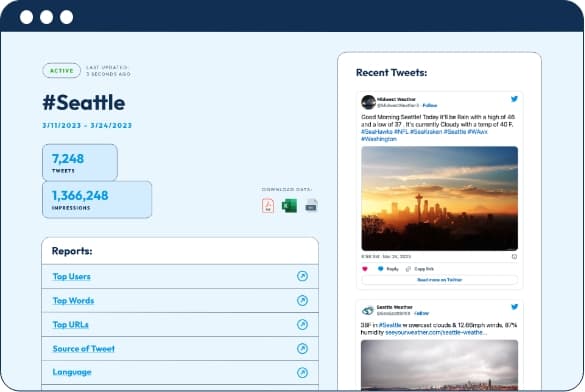
For deeper insights into your thread performance, consider tools like Tweet Archivist's analytics features, which provide comprehensive tracking of your Twitter content including historical thread performance, engagement patterns over time, and audience behavior analysis.
These platforms help you identify patterns in your best-performing threads—optimal posting times, topics that resonate, hook styles that work, and content length sweet spots. This data-driven approach accelerates your learning curve and helps you replicate success consistently.
A/B Testing Your Threads
To truly optimize, test variables systematically. Write 3-5 different hooks for the same thread and post variations to see which performs best. Test posting the same thread at different times/days to find your optimal window. Experiment with thread length—try 5-tweet, 7-tweet, and 10-tweet versions of similar content. Compare performance with and without images to determine what your audience prefers.
Track everything in a spreadsheet: date, topic, hook style, thread length, visuals used, impressions, engagements, followers gained. Over time, clear patterns will emerge that guide your strategy.
10 Common Thread Mistakes to Avoid
Even experienced creators make these mistakes that limit thread performance. Avoid these pitfalls to maximize every thread's potential:
1. Weak or Generic Hooks
Starting with "Here's a thread about [topic]" or "Let me tell you about [thing]" wastes your most valuable real estate. Hooks must create immediate curiosity and promise clear value. Generic openings get scrolled past instantly.
2. Making Threads Too Long
While threads can certainly be 15-20 tweets, most topics don't need that length. Longer threads have higher drop-off rates. Keep threads as long as necessary to deliver value, but no longer. If you can't maintain tension and momentum, you've gone too long.
3. Inconsistent or Wandering Focus
Each tweet must connect to your central thesis. Threads that meander across multiple loosely related topics confuse readers and reduce engagement. Maintain laser focus on the promise you made in your hook.
4. Excessive Hashtags and Mentions
Cluttering tweets with #multiple #hashtags and @unnecessary @mentions looks spammy and unprofessional. Use 1-2 hashtags maximum, only in your final CTA. Only mention accounts when genuinely relevant to the content.
5. Walls of Text
Dense paragraphs without line breaks kill readability. Twitter is a visual-scanning medium. Format for mobile screens with plenty of white space, short paragraphs, and clear visual hierarchy.
6. No Clear Call-to-Action
Ending your thread without telling readers what to do next is a massive missed opportunity. Always include a clear CTA: follow, retweet, check out a link, reply with thoughts. Don't make readers guess—tell them explicitly.
7. Spelling and Grammar Errors
Typos undermine credibility and make your content look rushed. Proofread every tweet before publishing. Read your entire thread aloud to catch awkward phrasing. One silly typo can distract from otherwise excellent content.
8. Posting Without Engagement Follow-Up
Publishing your thread and disappearing is a huge mistake. The first hour after posting is critical—respond to early comments, retweet people sharing your thread, engage with replies. This activity signals to the algorithm that your thread is generating conversation, leading to more distribution.
9. Ignoring Mobile Optimization
Over 80% of Twitter usage happens on mobile devices. If your thread isn't formatted for phone screens, you're alienating most of your audience. Keep text large and readable, ensure images are clear on small screens, and use plenty of spacing.
10. No Differentiation from Existing Content
Simply rehashing the same advice everyone else shares won't cut through the noise. Every thread needs a unique angle—a contrarian take, personal experience, new data, or creative framework. Ask yourself: why would someone share THIS thread when 100 others exist on the same topic?
Advanced Growth Strategies for Thread Success
Once you've mastered the basics, these advanced strategies will help you maximize the growth impact of your threads:
Build a Thread Series
Instead of one-off threads, create themed series that train your audience to expect regular content. "Every Monday, I share a thread on [topic]" builds anticipation and gives people a reason to follow. Consistency compounds—each thread promotes the next.
Leverage Thread Scheduling Tools
Tools like Typefully, Hypefury, and Tweet Hunter let you schedule threads in advance and provide analytics on performance. This enables you to post at optimal times even when you're not online and maintain consistency without manual posting.
Cross-Promote Your Threads
Share your threads across other platforms. Turn threads into LinkedIn carousels, Instagram post series, or blog posts. Each platform drives traffic back to Twitter, increasing impressions and follower growth. Your thread becomes a content multiplier across your entire presence.
Engage With Accounts in Your Niche
Before and after posting your thread, spend 15-20 minutes engaging with other creators in your space. Thoughtful replies to popular accounts increase your visibility and prime the algorithm to show your content to relevant audiences.
Pin Your Best Threads
When a thread performs exceptionally well, pin it to your profile. Every profile visitor will see it first, converting casual visitors into engaged readers and followers. Update your pinned thread regularly as you publish new high-performers.
Repurpose and Update Evergreen Threads
Threads on timeless topics can be republished months later with fresh data and examples. A thread that performed well 6 months ago will likely perform well again with your larger audience. Update statistics, refresh examples, and repost.
Collaborate Through Mutual Mentions
Partner with creators in complementary niches to mention each other in relevant threads. "As my friend @username recently shared..." exposes both audiences to valuable content and builds authentic cross-promotion relationships.
Use Services to Amplify Growth
When you consistently publish high-quality threads, consider growth services like Bulkoid.com to amplify your reach. These services can help put your best threads in front of targeted audiences who are most likely to engage and follow. Combined with excellent content, strategic growth services accelerate the compounding effects of your thread strategy.
Track Thread Performance in Tweet Archivist
Use comprehensive analytics tools like Tweet Archivist to track your threads over time and identify patterns in what works. The platform's advanced features help you understand long-term trends in your thread performance, allowing you to refine your strategy based on data rather than guesswork.
Conclusion
Writing viral Twitter threads is both an art and a science. The art lies in storytelling, creating hooks that capture attention, and delivering value in compelling ways. The science involves understanding the structures, formats, and optimization tactics that the algorithm rewards.
The good news? Both the art and the science are completely learnable. You don't need to be a naturally gifted writer or have an existing large audience. You simply need to apply the frameworks shared in this guide consistently:
Start with strong hooks using the 4-part formula. Structure your threads with clear narrative flow from attention to value to call-to-action. Format for readability with short tweets, white space, and visual hierarchy. Track your performance and learn from the data. Avoid common mistakes that sabotage engagement. And most importantly, test, iterate, and improve with every thread you publish.
The creators dominating Twitter right now aren't magical geniuses. They're practitioners who have systematized what works and execute consistently. They've written 50, 100, or 200 threads, learning from each one, until viral threads became predictable rather than lucky accidents.
Your 100th thread will be dramatically better than your 10th, which will be better than your first. The learning curve is steep, but the rewards compound exponentially. A single viral thread can add thousands of followers, drive significant traffic to your business, establish you as an authority in your niche, and open doors you never expected.
Start today. Pick one of the five templates shared in this guide. Write your first thread (or your next one). Apply the hook formulas, follow the structure, format for readability, and hit publish. Then do it again next week. And the week after that.
Consistency + the proven frameworks in this guide = inevitable growth.
Ready to track your thread performance and optimize your Twitter strategy? Explore Tweet Archivist's powerful analytics features and start making data-driven decisions about your content. Every successful thread starts with a creator who decides today is the day to begin.
Now go write that thread. Your audience is waiting.