How to See Who Unfollowed You on Twitter/X
Want to know who unfollowed you on Twitter/X? This guide explains what X shows natively, how to check follower changes manually, when to use third-party tools, and how to use unfollow data to improve your content strategy.
If your follower count drops on X, it is natural to wonder who left and why. The tricky part is that X does not provide a built-in feature that shows a clean "people who unfollowed you" list. X does let you view your followers and following lists, but it does not surface a dedicated unfollower history inside the app.
That means if you want to see who unfollowed you on Twitter/X, you usually have two options. You can manually compare your follower list over time, or you can use a tracking tool that helps you monitor changes more efficiently. The best approach depends on how often you want to check and how seriously you take your X analytics.
In this guide, we will break down what is and is not possible on X, how to check unfollowers safely, and how to turn that information into something useful instead of just staring at a lower follower count.
Can You See Who Unfollowed You on Twitter/X?
Not directly through a native X feature.
X allows you to check who currently follows you and who you currently follow, but it does not include a built-in section that says which accounts unfollowed you recently. X also notes that follower counts can change for reasons other than someone simply deciding to leave. An account may unfollow you, deactivate, or get hidden for spam-related reasons, which means follower changes are not always as straightforward as they seem.
That is why people often feel confused when they notice a drop. You may have lost followers, but not every change points to a real audience issue.
Why Your Follower Count Can Change
Before you assume people are losing interest, it helps to know why X follower numbers move around.
Common reasons include:
- Someone unfollowed your account
- An account was deactivated
- An account was limited or hidden for spam activity
- A user removed inactive or low-interest accounts from their feed
- Platform cleanup affected suspicious followers
X specifically says that if you got a new follower notification and later do not see that account in your followers list, the account may have unfollowed, deactivated, or been hidden for spam activity.
So if you are trying to understand a dip, it is better to look for patterns over time instead of reacting to a single day.
How to Check Who Unfollowed You Manually
If you do not want to use any outside tools, you can track this yourself, but it takes more effort.
1. Open your followers list
Go to your X profile and open your followers tab. X also lets you open your following list from your profile or home page.
2. Save a snapshot
Take screenshots or export usernames into a simple spreadsheet. If you do this once a week, you can compare older and newer lists.
3. Compare changes over time
Look for accounts that appeared in an earlier list but no longer appear in the new one. That gives you a rough manual unfollower check.
4. Separate noise from real trends
One or two unfollows usually mean nothing. A larger drop after a certain type of post, posting schedule change, or controversial opinion may be more meaningful.
This method works best for smaller accounts. If you have a large audience, manual tracking becomes slow very quickly.
Using a Tool to Track Unfollowers
Most people who care about this regularly use analytics or tracking tools.
A tool is useful because it can help you compare follower changes over time instead of forcing you to manually inspect account lists. That matters most if you are posting consistently, running campaigns, or trying to understand what kinds of content help you grow.
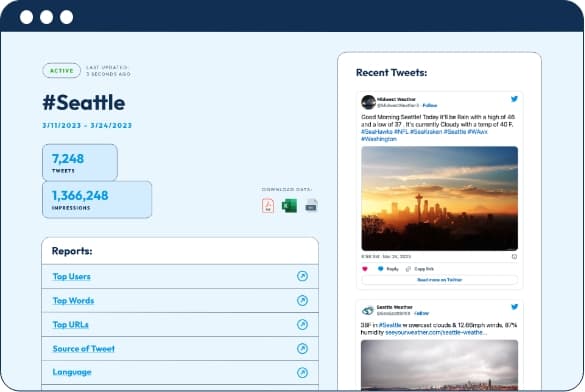
Since Tweet Archivist focuses on deeper X analytics, archives, reports, and exportable data, it fits naturally into a more serious tracking workflow where you want to understand account performance over time rather than just obsess over one lost follower. Tweet Archivist highlights analytics beyond X's native suite and offers archives, charts, and exports for further analysis.
If you want more than a basic follower check, using a tool with broader analytics can give you more context around what is happening on your account.
If you already use Tweet Archivist to review your Twitter history and performance, it becomes much easier to spot trends instead of treating every follower drop like a mystery.
Is It Safe to Use Third-Party Unfollower Tools?
Sometimes yes, but you need to be careful.
A lot of people search for fast "see who unfollowed me" apps, but some tools are outdated, unreliable, or ask for too much access. Since X changes policies, API access, and account restrictions over time, you should be cautious with any service that promises instant full tracking with aggressive permissions.
A safer rule is this: choose tools that focus on analytics, reporting, and historical comparisons rather than sketchy shortcuts. Avoid anything that feels spammy or asks for unnecessary access you do not understand.
If your goal is long-term account analysis, a reporting and archive-based approach is usually smarter than chasing a gimmicky unfollower app.
What to Do After You Notice People Unfollowing You
This is the part that actually matters.
Seeing unfollowers is only useful if you learn something from it. A drop in followers should push you to ask better questions, such as:
- Did I change my posting frequency?
- Did I start posting off-topic content?
- Did I overdo promotion?
- Did engagement fall before the follower drop?
- Did I post at the wrong times for my audience?
In other words, unfollower data is not the main event. It is just a signal.
For example, if you have been posting great content but publishing when your audience is offline, your engagement may weaken and that can slowly affect retention. That is why timing matters. Tweet Archivist's guide notes that timing can make a major difference in visibility, with common high-performing windows including weekday mornings and certain evening slots, though your own audience data matters most.
If you want to improve retention as well as reach, it helps to learn the best time to post on Twitter so your content has a better chance of being seen by the right people.
You might also want to update your display name to better reflect your niche and attract the right followers.
Content Habits That Can Lead to Unfollows
Not every unfollow is a bad sign, but repeated drops can point to a content problem.
Here are a few common causes:
Posting too much promotion
If your account constantly pushes links, products, or self-promotion, people may lose interest. Tweet Archivist's own traffic guide warns against making every post a link and recommends a more balanced approach.
Posting at random times
Good content posted at poor times often underperforms. If people rarely see your tweets, they may stop feeling connected to your account.
Drifting away from your niche
People usually follow for a reason. If your content changes too sharply, some followers will leave because the account no longer matches what they signed up for.
Repeating the same format
If every post feels identical, the timeline starts to blur. Variety helps keep people engaged.
Low-value threads or recycled takes
If posts feel generic or empty, followers may clean up their feed.
How to Reduce Unfollows on X
You cannot stop all unfollows, and you should not try to please everyone. What you can do is make your account more worth following.
Post with a clear theme
People stay when they know what your account is about. That does not mean you must be boring. It just means your profile should feel coherent.
Focus on useful or interesting content
Teach something, entertain people, share a strong opinion, or give insight they cannot get everywhere else.
Watch timing and consistency
You do not need to tweet all day, but you do need a rhythm. Consistency helps followers know what to expect.
Review performance patterns
Look at which tweets lead to engagement, profile visits, clicks, and steady follower growth. This is where analytics matter much more than guesswork.
Build for the right audience
Sometimes unfollows are actually helpful. If low-interest followers leave, your audience can become more aligned with what you post.
Organizing your feed with Twitter/X Lists can help you stay on top of what your audience cares about and respond to trends faster.
Why Analytics Matter More Than Obsessing Over Unfollowers
A lot of users fixate on the wrong metric.
It is easy to get emotional about seeing someone leave, but a healthy X strategy is not about keeping every follower forever. It is about understanding how your content performs, how your audience responds, and how your account evolves over time.
That is where a broader analytics view helps. Tweet Archivist positions itself as a way to go beyond X's native analytics with reports, charts, archived history, and export options, which is far more useful than checking one vanity metric in isolation.
So instead of asking only, "Who unfollowed me?" it is smarter to ask:
- What type of content drives steady engagement?
- What causes spikes or dips in follower growth?
- Which tweets bring profile visits and clicks?
- When is my audience most likely to engage?
- What trends can I spot over the last month or quarter?
Unfollowers and Website Traffic
This matters more than most people think.
If you use X to grow a blog, brand, or business, follower quality matters more than follower quantity. A smaller group of interested followers can drive more clicks and better results than a larger, disengaged audience.
Tweet Archivist's traffic guide makes a similar point when it emphasizes the value of engaged Twitter traffic and the importance of tracking what actually drives clicks and conversions.
Final Thoughts
If you want to see who unfollowed you on Twitter/X, the honest answer is that X does not make that easy natively. You can view your followers and compare changes, but there is no built-in unfollower history tool.
That is why the better move is to stop treating unfollows like random drama and start treating them like a data point. When you pair follower changes with timing, engagement, tweet performance, and traffic data, you get a much clearer picture of what is happening.
For casual users, manual checks may be enough. For creators, marketers, researchers, and brands, a deeper analytics workflow makes more sense.
And in the long run, that is what helps you grow an account that keeps the right people around.