How to Write Viral Tweets: Complete Guide for 2026
Introduction
How to write viral tweets isn't just about luck—it's a learnable skill backed by data, psychology, and strategic execution. In 2026, Twitter (now X) remains one of the most powerful platforms for building influence, driving traffic, and creating viral moments that reach millions of people. Whether you're a business owner, content creator, or personal brand, understanding the viral tweet formula can transform your social media platform presence overnight.
Every day, billions of tweets compete for attention, but only a tiny fraction achieve viral status. What separates a tweet with 10 likes from one with 10,000 retweets? The answer lies in understanding Twitter's algorithm, human psychology, and proven content frameworks that consistently drive engagement.
In this comprehensive guide, you'll discover the exact strategies, formulas, and frameworks that top creators use to write viral tweets consistently. From understanding the 2026 Twitter algorithm to crafting compelling hooks and optimizing your posting strategy, this guide covers everything you need to master viral tweet writing.
Understanding Twitter's Algorithm in 2026
Before diving into how to write viral tweets, you need to understand how Twitter's algorithm decides which content to amplify. The algorithm has evolved significantly, and in 2026, it prioritizes specific engagement signals that determine whether your tweet reaches 100 people or 100,000 people.
How the Algorithm Scores Your Tweets
Twitter's algorithm picks approximately 1,500 potential tweets for each user's feed, with roughly half from accounts they follow and half from accounts they don't. Each tweet receives a "score" based on predicted engagement potential, which includes:
- Early engagement velocity: The first hour after posting is critical. Tweets that generate immediate likes, retweets, and replies signal quality to the algorithm.
- Time-on-post metrics: How long users spend viewing your content matters. Threads naturally perform better because they increase time-on-post.
- Engagement rate: Your ratio of engagements to impressions demonstrates content quality and relevance.
- Profile authority: Accounts with higher follower counts and engagement history receive initial visibility boosts.
Understanding these factors is essential because the algorithm decay is exponential—a tweet loses approximately half its remaining algorithmic boost every six hours. This is why the first few hours after posting are make-or-break for viral potential.
The Three-Hour Window
Research shows that most viral tweets achieve 80% of their total engagement within the first three hours. If your tweet doesn't gain traction quickly, it's unlikely to go viral. This creates a critical window where your content must perform, making your posting time, initial audience response, and content quality paramount to success.
The Core Viral Tweet Formula
After analyzing thousands of viral tweets, a consistent pattern emerges. While execution varies, the underlying viral tweet formula remains remarkably similar across different niches and content types.
The E.H.A. Framework
The most effective viral tweets follow the E.H.A. Framework: Emotional trigger + Hook + Action.
Emotional Trigger: High-arousal emotions spread faster than low-arousal ones. Tweets that evoke awe, excitement, anger, humor, or surprise significantly outperform content that makes people feel sad, content, or neutral. This is why controversial takes and humorous observations dominate viral content—they activate emotional responses that drive sharing behavior.
Hook: The first 5-7 words determine whether someone keeps reading or scrolls past. Effective hooks include bold statements ("This will change everything"), questions ("Why does everyone ignore this?"), numbers ("7 things nobody tells you about..."), or pattern interrupts ("Stop doing X. Start doing Y instead.").
Action: Viral tweets make the next step obvious. Whether it's a clear call-to-action ("Retweet if you agree"), a compelling reason to share ("Your followers need to see this"), or content so valuable that sharing becomes automatic, successful tweets guide readers toward engagement.
The Value-First Principle
The most consistently viral accounts follow a simple rule: provide 10x more value than you ask for in attention. This means every tweet should either teach something valuable, entertain genuinely, or inspire meaningfully. When you consistently deliver value, your audience becomes your distribution network, sharing your content organically because it makes them look good to their followers.
12 Proven Strategies for Writing Viral Tweets
Now that you understand the algorithm and core formula, let's explore specific, actionable strategies for writing viral tweets in 2026.
1. Optimize Your Tweet Length
Data consistently shows that tweets between 71-100 characters have 17% higher engagement rates than longer tweets. However, the sweet spot has evolved—in 2026, tweets under 110 characters perform best because they're easy to scan, leave room for comments when retweeted, and don't overwhelm mobile readers.
The key is saying something meaningful concisely. Trim unnecessary words, use active voice, and make every character count. Think of tweet length like a punch—short, powerful tweets land harder than rambling ones.
2. Master the Hook
Your first line determines everything. Top creators use proven hook formulas:
- The Bold Statement: "Nobody talks about this, but..." or "Unpopular opinion:"
- The Question Hook: "Want to know the real secret to...?"
- The Number Hook: "7 things I wish I knew..."
- The Story Hook: "3 years ago I was broke. Today..."
- The Pattern Interrupt: "Everyone says X. They're wrong."
Test different hooks on similar content and track your engagement metrics with Twitter analytics tools to identify which formulas resonate with your specific audience.
3. Leverage Emotional Triggers
Psychology research confirms that high-arousal emotions drive sharing behavior. Tweets that make people feel awe, excitement, anger, or amusement get shared exponentially more than content that evokes low-arousal emotions like sadness or contentment.
This doesn't mean being manipulative—it means understanding that people share content that makes them feel something powerful. Educational content that creates "aha moments," humorous observations that make people laugh, or contrarian takes that spark healthy debate all leverage emotional triggers ethically.
4. Ask for Engagement Directly
It sounds simple, but explicitly asking for engagement works. Tweets with phrases like "Retweet if you agree," "Tag someone who needs this," or "Reply with your experience" significantly outperform identical content without calls-to-action.
The key is making the ask feel natural and valuable to your audience. Don't beg for retweets—give people a reason to share that benefits them or their followers.
5. Use Strategic Repetition and Patterns
The human brain loves patterns. Tweets that use parallel structure, rhythmic repetition, or format consistency perform exceptionally well. Examples include:
- "Good X does Y. Great X does Z."
- "Stop [bad thing]. Start [good thing] instead."
- "You don't need [common belief]. You need [contrarian take]."
These patterns make your tweets memorable and quotable, increasing the likelihood that people will share them or remember your account for future engagement.
6. Provide Uncommon Value
In a sea of generic advice, uncommon value stands out. Instead of tweeting "Be consistent," share "I posted at 9am every day for 90 days. Here's what happened to my engagement." Specific insights, personal data, and counterintuitive findings all qualify as uncommon value that drives viral potential.
7. Master the Quote Tweet
Quote tweeting trending topics or popular tweets in your niche can dramatically increase your visibility. The strategy is adding unique perspective or insight to existing viral conversations, riding the engagement wave while showcasing your expertise.
The key is adding genuine value, not just piggybacking. Your quote tweet should provide additional insight, a different angle, or actionable takeaways that enhance the original content.
8. Use Numbers and Data
Tweets with specific numbers and data points outperform vague statements by significant margins. "This increased my engagement" gets ignored. "This increased my engagement by 347% in 30 days" gets attention and shares.
Numbers create credibility, specificity, and curiosity—three essential ingredients for viral content. Track your results and share specific, verifiable data whenever possible.
9. Tell Micro-Stories
Story-based tweets consistently achieve higher engagement because humans are wired for narrative. Even in 280 characters, you can tell compelling micro-stories using the before-after-lesson framework: "I was [problem]. I tried [solution]. Now I'm [result]. Here's what I learned."
These transformation narratives work across every niche because they demonstrate possibility and provide a clear roadmap that readers can follow.
10. Create "Controversy" Through Contrarian Takes
Challenging conventional wisdom—respectfully—drives massive engagement. Tweets that start with "Unpopular opinion" or "Nobody talks about this, but..." signal contrarian content that makes people stop scrolling.
The key is being genuinely contrarian based on experience or data, not being controversial for attention. Authentic contrarian takes backed by reasoning create healthy debate and sharing; hollow hot takes damage credibility.
11. Use the Power of "You"
Second-person language ("you," "your") dramatically increases engagement because it makes content feel personal and directly applicable. Compare "People should focus on X" with "You should focus on X"—the second version creates immediate personal connection and relevance.
12. Optimize Hashtag Usage
Twitter's data confirms that tweets with 1-2 hashtags have 21% higher engagement than those with three or more. In 2026, the strategy is using hashtags strategically rather than stuffing tweets with them.
Focus on one highly relevant hashtag that connects you to your target conversation, or skip hashtags entirely if your content and network are strong enough to drive engagement organically. Quality targeting beats quantity every time.
Content Types That Go Viral
Understanding which content types consistently achieve viral status helps you focus your efforts on formats with proven success rates.
Educational Thread Content
Twitter threads remain one of the most reliable formats for viral content in 2026. They allow extended storytelling, multiple engagement opportunities, and increased time-on-post—all factors the algorithm rewards.
Successful threads follow a specific structure: compelling hook tweet, 5-10 supporting tweets with one key point each, visual breaks every 3-4 tweets, strategic cliffhangers to maintain momentum, and a strong closing tweet with clear call-to-action.
Relatable Observations
Tweets that capture universal experiences ("When you finally understand X" or "Why does nobody talk about Y?") spread rapidly because they make readers feel seen and understood. The shareability comes from "I relate to this and my followers will too" psychology.
Practical How-To Content
Actionable advice with specific steps consistently outperforms theoretical discussion. "How I grew to 10K followers" beats "Thoughts on growth" every time. People share practical content because it provides concrete value to their networks.
Data-Driven Insights
Original research, personal experiments, and data analysis all qualify as high-value content that drives engagement. Sharing "I analyzed 1,000 viral tweets and found..." positions you as an authority while providing actionable insights readers can apply.
Behind-the-Scenes Content
Transparency and vulnerability create powerful connections. Tweets sharing your failures, lessons, revenue numbers, or honest struggles humanize your brand and generate engagement through authenticity and relatability.
Visual Content Strategy
The data is clear: tweets with visual elements receive 150% more retweets than text-only tweets. In 2026's increasingly visual social media landscape, mastering visual content is non-negotiable for consistent viral success.
Images and Graphics
High-quality images, custom graphics, and branded visuals dramatically increase engagement. The key is ensuring visuals add value rather than just filling space. Infographics that visualize data, screenshots that demonstrate points, and eye-catching designs that stop scrolls all serve strategic purposes beyond decoration.
Video Content
Short-form video continues dominating engagement metrics. Tweets with videos generate 10x more engagement than those without. The optimal video length for Twitter is 30-45 seconds—long enough to deliver value but short enough to maintain attention.
Focus on strong opening frames (people decide within 2 seconds whether to watch), adding captions (most viewers watch without sound), and clear payoffs that reward viewers for their time.
GIFs and Memes
Humorous, relatable GIFs and memes spread rapidly because they're easily shareable and emotionally resonant. The key is understanding your audience's humor and cultural references well enough to deploy memes authentically rather than appearing out-of-touch.
Thread Writing Mastery
Twitter threads deserve special attention because they consistently outperform single tweets for viral potential and audience building. Here's how to master thread writing in 2026.
The Perfect Thread Structure
Viral threads follow a proven architecture. The hook tweet (Tweet 1) must be so compelling that it stops scrolls and demands reading the thread. Use the bold statement, credibility marker, or curiosity gap formula: "I spent $50K learning X. Here's everything I learned (so you don't have to)."
The body tweets (Tweets 2-9) each deliver one key insight, example, or step. Keep individual tweets under 250 characters—preferably under 200—for maximum readability. Use line breaks strategically and add visual elements every 3-4 tweets to maintain engagement.
The closing tweet ties everything together, reinforces key points, and includes a clear call-to-action: follow for more content, check out a resource, or engage with a question.
The 3-Bucket Strategy
Consistently viral thread creators follow the 3-Bucket Strategy: Authority content (expert insights and valuable information), Personality content (relatable, human experiences), and Shareable content (highly quotable, broadly applicable insights).
Balance these three buckets across your threads—pure authority without personality feels robotic, pure personality without value feels shallow, and pure shareability without depth feels superficial.
Hook Formulas for Threads
The 4-part thread hook formula maximizes engagement: Bold Statement (surprise or shock factor), Tension (highlight a problem or struggle), Twist (unexpected insight or approach), and Credibility (optional proof of results or expertise).
Example: "Everyone says consistency is key. [BOLD] I posted daily for 6 months and my engagement dropped 60%. [TENSION] Then I discovered the counter-intuitive strategy that actually works. [TWIST] Here's the data from 10,000 tweets: [CREDIBILITY]"
Cliffhanger Technique
Use strategic cliffhangers every 1-2 tweets to maintain momentum and encourage thread completion. Phrases like "But here's where it gets interesting," "The next part is crucial," or "This is where most people mess up" create anticipation that keeps readers engaged through longer content.
Timing and Posting Frequency
When you post matters almost as much as what you post. Strategic timing can mean the difference between a tweet reaching hundreds versus thousands of people.
Optimal Posting Times
Global engagement data reveals three peak windows: 9:00 AM, 12:00 PM (noon), and 1:00 PM in your target audience's timezone. For B2B content, 11 AM-1 PM EST performs best. For B2C content, 12-1 PM Monday-Wednesday shows highest engagement.
However, the best posting time for your specific audience requires testing and measurement. Use Tweet Archivist's analytics features to identify when your audience is most active and responsive, then optimize your posting schedule accordingly.
Posting Frequency Strategy
Quality trumps quantity, but consistency matters. The data suggests 3-5 tweets per day yields optimal results—enough to maintain visibility without overwhelming followers or diluting content quality.
For threads, 2-3 high-quality threads per week outperform daily mediocre threads. Remember that each tweet doesn't need to go viral; your overall consistency and quality build the authority that makes viral moments possible.
The Repost Strategy
Don't assume everyone saw your best content the first time. Strategic reposting—sharing your top-performing tweets 4-6 weeks after the original—can expose great content to new followers and drive additional engagement from your existing audience.
The key is reposting intentionally based on performance data, not mindlessly resharing everything. Focus on content that performed well the first time and remains relevant to your current audience.
Common Mistakes to Avoid
Understanding what not to do is as important as knowing effective strategies. These common mistakes sabotage viral potential and damage long-term growth.
Hashtag Overuse
While hashtags have value, using three or more per tweet reduces engagement by 17% according to Twitter's data. Hashtag stuffing makes tweets look spammy and desperate rather than authoritative and valuable.
Inconsistent Voice and Positioning
Jumping between topics, tones, and perspectives confuses your audience and prevents the focused authority building necessary for viral success. Pick your lane, establish your perspective, and build consistent value in that niche.
Focusing Only on Broadcasting
Twitter is a social platform, not a broadcast channel. Accounts that only post without engaging—responding to comments, participating in conversations, supporting other creators—struggle to build the community necessary for viral amplification.
The 70/30 rule applies here: spend 70% of your Twitter time engaging authentically and 30% creating new content. Your engagement activity builds relationships that amplify your content when you do post.
Chasing Trends Blindly
Jumping on every trending topic without authentic connection to your brand or expertise appears opportunistic and damages credibility. Strategic trend participation works when you have genuine value to add; forced trend-jacking typically backfires.
Ignoring Analytics
Flying blind without tracking what works wastes time and opportunity. Successful creators obsessively track metrics: what content types perform best, which posting times drive engagement, what topics resonate most strongly, and how their growth metrics trend over time.
Set up comprehensive Twitter analytics tracking from day one to inform strategy with data rather than guesswork.
Tools and Analytics for Success
The right tools transform viral tweet writing from luck-based to systematic. Here's how to build your viral content toolkit.
Analytics and Tracking
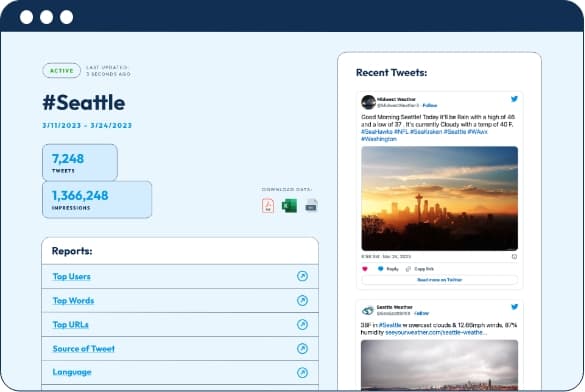
Professional Twitter analytics go beyond platform-native metrics to provide deeper insights into content performance, audience behavior, and growth opportunities. Tools like Tweet Archivist enable comprehensive historical analysis, hashtag performance tracking, sentiment analysis, and competitive benchmarking that inform strategic decisions.
Track these key metrics consistently: engagement rate (total engagements divided by impressions), best-performing content types, optimal posting times for your audience, follower growth rate, click-through rates on links, and thread completion rates.
Content Planning and Scheduling
While spontaneity has value, strategic content planning ensures consistency—one of the most critical factors for long-term growth. Plan content themes weekly, batch-create tweets during peak creative energy, and schedule strategically to maintain consistent presence without being chained to your phone.
Growth and Engagement Services
For creators serious about accelerating their Twitter growth, services like Bulkoid.com provide targeted follower growth, engagement boosting, and visibility enhancement. These tools work best when combined with strong content strategy—they amplify quality content rather than compensating for poor content.
The key is using growth services ethically and strategically, focusing on attracting genuine followers interested in your niche rather than empty vanity metrics.
Writing and Ideation Tools
Maintain a swipe file of high-performing tweets in your niche, noting what made them successful. Use this research to inspire original content (never copy directly) and identify patterns in viral content within your specific area.
Thread writing benefits from offline drafting in tools that let you see the full structure, edit freely, and refine before posting. Many creators draft threads in Google Docs or Notion before transferring to Twitter, ensuring every tweet in the sequence serves the overall narrative.
Conclusion
Learning how to write viral tweets transforms from mysterious art to systematic skill when you understand the underlying principles: the Twitter algorithm rewards early engagement and time-on-post, emotional triggers drive sharing behavior, concise value delivery beats verbose explanation, and consistent quality builds the authority that makes viral moments possible.
The viral tweet formula—Emotional trigger + Hook + Action—provides a framework for consistent success. Combined with strategic timing, optimized length, visual content, and thread mastery, you have everything needed to dramatically increase your Twitter engagement and reach.
Remember that viral success is ultimately about providing exceptional value to your audience. Focus on teaching something valuable, entertaining genuinely, or inspiring meaningfully with every tweet. When you consistently deliver value, your audience becomes your distribution network, sharing your content because it makes them look good to their followers.
Start implementing these strategies today. Test different hooks, track your analytics, optimize based on data, and refine your approach continuously. Viral tweets aren't accidents—they're the result of understanding your audience, mastering the platform, and executing proven strategies consistently.
Ready to take your Twitter strategy to the next level? Explore Tweet Archivist's comprehensive analytics features to track your performance, identify winning content patterns, and optimize your viral tweet strategy with data-driven insights. Your next viral moment is one tweet away.