How to Drive Traffic from Twitter to Your Blog or Website: The Complete 2026 Guide
Introduction
Twitter (now X) remains one of the most powerful platforms for driving targeted traffic to your blog or website in 2026. While many social platforms have shifted toward keeping users within their ecosystems, Twitter's real-time, link-friendly nature makes it uniquely suited for traffic generation.
The challenge? The average tweet has a lifespan of just 15-20 minutes, and the platform's average click-through rate hovers around 1.64%. But don't let these numbers discourage you. With the right strategies for Twitter traffic generation, you can significantly increase website traffic from Twitter and turn your followers into loyal blog readers and customers.
In this comprehensive guide, you'll learn how to drive traffic from Twitter using proven tactics for profile optimization, content creation, link placement, timing strategies, and analytics tracking. Whether you're a blogger, business owner, or content creator, these strategies will help you maximize your Twitter to blog traffic and achieve measurable results.
Why Twitter Remains a Powerful Traffic Source in 2026
Despite platform changes and algorithm updates, Twitter continues to deliver impressive results for those who understand how to leverage it effectively. Here's why Twitter website traffic deserves your attention:
First, Twitter's real-time nature creates opportunities for immediate engagement. When you share valuable content at the right moment, you can capture your audience's attention when they're most receptive. Unlike platforms that heavily throttle external links, Twitter actively supports link sharing as part of its core functionality.
Second, Twitter's engaged user base actively seeks out new information and resources. The platform hosts conversations around virtually every topic imaginable, from digital marketing to niche hobbies. This means your target audience is already there, searching for solutions you can provide through your blog or website.
Third, the platform offers sophisticated targeting options through both organic and paid strategies. Whether you're using hashtags to reach new audiences or leveraging Twitter Ads to amplify your best-performing content, you have multiple pathways to increase website traffic from Twitter.
Finally, Twitter traffic tends to be highly engaged. Users who click through from Twitter often have specific intent—they're looking for in-depth information, solutions to problems, or resources to save. This makes Twitter-driven traffic valuable not just for pageviews, but for building genuine relationships with your audience.
Setting Up Your Twitter Profile to Drive Maximum Traffic
Before you start tweeting links, you need to optimize your profile to maximize every opportunity for traffic generation. Your profile serves as your Twitter home base, and it's often the first place people look when deciding whether to trust your content.
Optimize Your Bio and Website Links
Twitter provides multiple opportunities to include clickable links in your profile, and you should use every single one. The website field in your profile is the most obvious place to add your blog's homepage or a specific landing page you want to drive traffic to. This link appears prominently on your profile and is always visible to visitors.
But don't stop there. Your bio itself can include links using standard URL formatting. Many successful content creators use this space to link to their latest article, a newsletter signup page, or a link-in-bio tool that provides multiple destinations. The key is making these links relevant and compelling—tell people why they should click.
When adding links to your profile, use clear, benefit-driven language. Instead of simply saying "Visit my blog," try something like "Get weekly marketing strategies that increased traffic 300% →" followed by your link. This approach frames the click as valuable to the user, not just beneficial to you.
Choose a Strategic Pinned Tweet
Your pinned tweet is prime real estate for driving Twitter website traffic. This tweet stays at the top of your profile regardless of what else you post, making it the first content piece every profile visitor sees. Use it wisely.
The most effective pinned tweets for traffic generation typically fall into three categories: your highest-performing piece of content, your most comprehensive resource, or a curated thread that showcases your expertise while linking to your blog. Whichever approach you choose, make sure the tweet includes a compelling hook, clear value proposition, and direct link to your website.
Data shows that pinned tweets can drive significant ongoing traffic. Unlike regular tweets that disappear from feeds within minutes, your pinned tweet works 24/7, capturing attention from new followers and returning visitors alike. Update it monthly or whenever you publish something particularly valuable.
Create a Cohesive Visual Brand
While not directly related to link clicks, your profile's visual presentation significantly impacts whether people trust you enough to click through to your website. Use a professional profile photo, an on-brand header image, and consistent visual elements that match your blog's design.
This visual cohesion builds trust and recognition. When someone sees your content in their feed, they should immediately associate it with the quality and value they've experienced on your website. This connection increases the likelihood they'll click your links and return for future content.
Content Strategies That Drive Click-Throughs
Creating tweets that drive traffic from Twitter requires more than just sharing links with generic descriptions. You need content strategies specifically designed to capture attention, build curiosity, and motivate clicks.
Master Tweet Length and Format
Research consistently shows that tweet length significantly impacts click-through rates. Analysis of hundreds of thousands of tweets reveals that the sweet spot for maximum CTR is between 120-130 characters. While you have 280 characters available, shorter tweets tend to perform better for driving traffic.
Why do shorter tweets work? They create natural curiosity. Instead of explaining everything in the tweet itself, you give just enough information to intrigue readers while leaving them wanting more. This is where your link comes in—it promises to deliver the complete story, answer, or solution.
For example, instead of tweeting: "I just published a comprehensive 3,000-word guide about email marketing that covers list building, segmentation, automation, deliverability, and analytics with 15 actionable strategies," try: "15 email marketing strategies that tripled my revenue in 90 days [link]." The second version is shorter, more specific, and creates more curiosity.
Headlines with numbers consistently outperform other formats, boosting CTR by approximately 15%. Interestingly, odd numbers perform about 20% better than even numbers, so "7 strategies" typically beats "6 strategies" in testing.
Use Visuals to Boost Engagement
Tweets with images receive 18-34% higher click-through rates than text-only tweets. Visual content stops the scroll, captures attention, and provides additional context that encourages clicks. When sharing blog links, always include an eye-catching image.
The most effective visuals for Twitter traffic generation include custom graphics highlighting key statistics or insights from your article, high-quality photos relevant to your content, infographics that tease valuable information, and quote cards featuring compelling excerpts from your blog post.
Your images should complement your message, not replace it. The visual catches attention, your tweet copy builds interest, and your link delivers the payoff. This three-part formula creates a complete user journey from scroll to click.
Don't forget about Twitter Cards. When you share a link, Twitter automatically generates a preview card with an image, headline, and description pulled from your website's Open Graph tags. Make sure these are optimized on your blog to create compelling previews that encourage clicks.
Create Curiosity-Driven Content
The most successful Twitter traffic strategies leverage curiosity as a primary motivator. People click links when they feel they're missing out on valuable information, when they want to resolve a question, or when they're intrigued by a surprising claim.
Several curiosity-building techniques work consistently well. The cliffhanger approach shares an interesting finding or insight but requires clicking through for the full explanation. The counterintuitive angle presents an unexpected perspective that challenges common assumptions. The specific result technique highlights concrete outcomes that readers want to replicate.
For example: "Most bloggers post at the wrong time. Here's when you should actually publish for maximum traffic [link]" or "I spent $10,000 testing Twitter ads. Here's everything actually worked [link]." Both tweets create gaps in knowledge that readers want to fill.
However, there's a fine line between curiosity and clickbait. Your content must deliver on the promise in your tweet. If you create false expectations or use manipulative tactics, you'll damage trust and see high bounce rates that hurt your long-term results.
Leverage Twitter Threads for Deep Dives
Twitter threads have become one of the most effective formats for driving blog traffic. A well-crafted thread provides valuable insights while naturally leading readers to your website for more comprehensive information.
The strategy is straightforward: Create a 5-10 tweet thread covering a topic related to your blog post. Provide genuine value in the thread itself—this builds trust and demonstrates your expertise. Then, include a link to your full blog post in the final tweet or as a pinned reply, positioning it as the next step for readers who want to go deeper.
Successful threads typically start with a strong hook tweet that promises specific value, use numbered tweets to create structure and completeness, include visuals or data to maintain engagement, and end with a clear call-to-action that directs readers to your blog. This approach respects your audience by providing immediate value while creating a natural bridge to your website for those wanting more.
Strategic Timing and Frequency for Maximum Reach
When you tweet matters almost as much as what you tweet. Understanding Twitter's unique rhythm can significantly increase your traffic generation results.
Find Your Optimal Posting Schedule
While general best practices suggest that tweets perform best on Thursdays, Saturdays, and Sundays, with peak engagement around 2:00 PM, your specific audience may differ. The key is finding when your followers are most active and receptive.
Use Twitter's native analytics or tools like Tweet Archivist's analytics features to identify patterns in your engagement data. Look for times when your tweets consistently receive higher impressions, clicks, and engagement rates. These patterns reveal when your specific audience is online and actively consuming content.
Remember that timing optimization isn't just about posting when the most people are online—it's about posting when your audience is most likely to take action. Sometimes slightly off-peak hours can deliver better results because there's less competition for attention in users' feeds.
How Often Should You Tweet?
The statistics around tweet frequency might surprise you. Given that the average tweet lifespan is only 15-20 minutes, many successful accounts tweet 10-15 times per day to maintain consistent visibility. This frequency would be excessive on platforms like LinkedIn or Facebook, but Twitter's fast-moving feed demands more regular posting to stay visible.
However, frequency without quality leads to diminishing returns. Rather than tweeting random thoughts 15 times daily, successful strategies focus on sharing valuable content multiple times through strategic repetition and reformatting.
If you're just starting to increase website traffic from Twitter, begin with 3-5 quality tweets per day focused on driving traffic. Include at least one link to your blog in each batch of tweets. As you understand what resonates with your audience, you can increase frequency while maintaining quality.
The Power of Content Recycling
Here's a reality that liberates content creators: most of your followers will never see any individual tweet. With Twitter's algorithmic feed and the sheer volume of content posted every second, your best content deserves to be shared multiple times.
Content recycling involves resharing your blog posts multiple times over weeks or months, using different angles, formats, and hooks each time. You might share the same article once as a surprising statistic, once as a question that the article answers, once as a thread summarizing key points, and once highlighting a specific section particularly relevant to current events.
This approach respects the reality of Twitter's environment while maximizing the traffic potential of your best content. Testing shows that well-executed content recycling can drive 3-5x more traffic from a single blog post compared to sharing it just once.
Hashtag Strategy for Increased Visibility
Hashtags remain a powerful tool for expanding your reach beyond your existing followers and driving Twitter to blog traffic from new audiences.
Finding the Right Hashtags
The most effective hashtags for traffic generation strike a balance between popularity and specificity. Extremely popular hashtags like #marketing or #blogging face so much competition that your tweets quickly disappear. Extremely specific hashtags may have no active audience searching for them.
The sweet spot typically involves hashtags with moderate activity—enough that people actively follow or search for them, but not so much that your content gets buried immediately. Look for hashtags with tens of thousands of tweets rather than millions.
Research your niche's hashtag ecosystem by examining successful accounts in your space. What hashtags do they use? Which ones generate engagement? Track trending hashtags related to your content using Twitter monitoring tools and join relevant conversations when you have genuinely valuable content to contribute.
Also consider creating a branded hashtag for your blog or business. While it won't initially drive much traffic, over time it can help build community and make it easier for readers to find your content.
How Many Hashtags Should You Use?
Research on hashtag quantity reveals nuanced patterns. Tweets with hashtags receive approximately twice the engagement of those without. However, more isn't always better—tweets with a single specific hashtag often outperform those with multiple hashtags by 69%.
The recommended approach is using one highly specific hashtag in tweets that include links to your blog, and 2-3 hashtags in other engagement-focused content. This strategy maximizes visibility while avoiding the appearance of spam that comes with hashtag stuffing.
Place hashtags naturally within your tweet copy when possible, rather than loading them all at the end. For example: "Struggling with #contentmarketing strategy? This guide breaks down exactly how to drive traffic from social media [link]" reads more naturally than "This guide shows you how to drive traffic from social media [link] #contentmarketing #socialmedia #bloggingtips #marketing."
Link Optimization and CTR Best Practices
The technical aspects of how you share and track links significantly impact your ability to drive traffic from Twitter to your website.
Where to Place Your Links
Link placement within your tweet affects click-through rates more than many creators realize. Research analyzing hundreds of thousands of tweets found that links appearing about one-quarter of the way through the tweet (after establishing context and value) generate higher CTR than links at the beginning or end.
This finding aligns with natural reading patterns. When you lead with context and value, you prime readers to understand why they should click before presenting the link. For example: "I analyzed 10,000 viral tweets to find patterns. The results surprised me [link]" works better than "[link] I analyzed 10,000 viral tweets" or "I analyzed 10,000 viral tweets to find patterns. The results surprised me. [link at the very end]."
However, always test with your specific audience. Some niches and follower bases respond differently to various link placements.
Using UTM Parameters for Tracking
If you're serious about increasing website traffic from Twitter, you must implement proper tracking. UTM parameters are short codes added to your URLs that allow Google Analytics and other analytics platforms to track exactly where your traffic originates.
For Twitter traffic tracking, use these five UTM parameters: utm_source (set to "twitter"), utm_medium (set to "social"), utm_campaign (your specific campaign name), utm_content (to differentiate between multiple tweets for the same content), and utm_term (optional, for tracking specific keywords or themes).
For example, a properly tagged URL might look like: yourwebsite.com/blog-post?utm_source=twitter&utm_medium=social&utm_campaign=summer2026&utm_content=thread-version. Use free UTM builders to create these tagged URLs easily.
With proper UTM tracking, you can see exactly which tweets drive the most traffic, which types of content resonate best, what times deliver optimal results, and which calls-to-action generate the most clicks. This data becomes invaluable for optimizing your Twitter traffic strategy over time.
Use tools like Tweet Archivist to combine UTM tracking with Twitter-specific analytics for a complete picture of your traffic generation performance.
Compelling Call-to-Action Techniques
Don't assume people will know to click your link. Clear, compelling calls-to-action significantly boost click-through rates. Research shows that tweets with explicit CTAs receive 18% more clicks and nearly 30% more retweets than tweets with ambiguous or missing CTAs.
Effective CTAs for Twitter traffic generation are direct and benefit-focused: "Read the full guide here," "Get the complete strategy," "Download the free template," "See the results," or "Learn the exact process." These phrases tell readers exactly what action to take and what they'll receive by taking it.
Avoid vague CTAs like "check this out" or "link in tweet" which don't communicate clear value. The more specific and benefit-driven your CTA, the higher your click-through rate will be.
Growing Your Twitter Audience for More Traffic
While optimization tactics improve the percentage of followers who click through to your website, growing your audience multiplies the total traffic you can generate. More engaged followers means more potential clicks.
Building Followers Organically
Organic Twitter growth focuses on attracting followers who genuinely care about your content and are likely to engage with your links. Start by consistently sharing valuable insights, participating in relevant conversations, and engaging with other accounts in your niche.
When you reply to tweets, add value to conversations, and share others' content, you increase your visibility to their audiences. Many successful accounts build substantial followings primarily through strategic engagement and conversation participation rather than just broadcasting their own content.
Also focus on creating highly shareable content. When your followers retweet your posts, you gain exposure to their networks. Content that gets shared typically offers clear value, includes compelling visuals, takes a stand on relevant issues, or provides surprising insights that people want to share with their own audiences.
Leveraging Services Like Bulkoid for Growth
While organic growth is essential, strategic growth services can accelerate your audience building when used properly. Bulkoid.com offers services designed to help grow your Twitter following through targeted, authentic engagement.
The key to using growth services effectively is maintaining quality over quantity. Growing your follower count only translates to more website traffic if those followers are genuinely interested in your content. Look for services that focus on targeting relevant audiences based on interests, competitor followers, and engagement patterns rather than just inflating numbers.
Remember that followers are a means to an end, not the goal itself. A smaller audience of engaged, relevant followers will drive more traffic from Twitter than a large audience of uninterested accounts. Focus on quality growth strategies that attract your ideal readers.
Tracking and Analyzing Your Twitter Traffic
You cannot optimize what you don't measure. Comprehensive tracking and analysis separate successful Twitter traffic strategies from random guessing.
Setting Up Google Analytics Tracking
Google Analytics provides robust capabilities for tracking Twitter website traffic when configured correctly. Beyond basic UTM parameter tracking, set up specific goals in Google Analytics to track conversions from Twitter traffic.
Create goals for actions like email signups, product purchases, or resource downloads. Then, segment your traffic by source to see how Twitter visitors convert compared to other channels. This data reveals whether Twitter traffic is merely visiting your site or actually accomplishing your business objectives.
Use the Acquisition section in Google Analytics to analyze which specific Twitter campaigns drive the most valuable traffic. Look at metrics like pages per session, average session duration, and bounce rate to understand traffic quality, not just quantity.
Using Tweet Archivist for Advanced Analytics
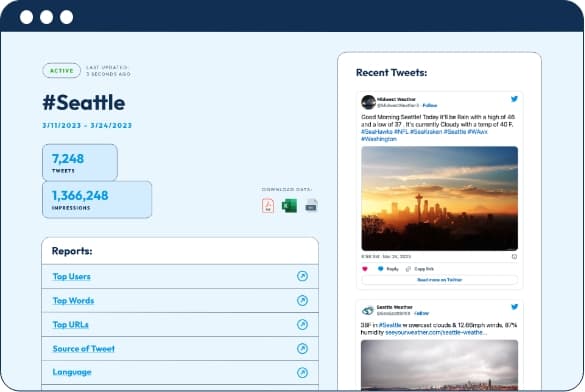
While Google Analytics shows what happens on your website, specialized Twitter analytics tools reveal what's happening on Twitter itself. Tweet Archivist's analytics features provide deep insights into your Twitter performance, including historical tweet data, engagement patterns, and hashtag effectiveness.
These insights help you understand which tweets drive the most clicks before visitors even reach your website. You can identify your top-performing content formats, optimal posting times specific to your audience, hashtag performance and reach, and engagement trends over time.
By combining Tweet Archivist's Twitter-specific analytics with Google Analytics' website data, you create a complete picture of your Twitter traffic funnel from tweet to website action.
Key Metrics to Monitor
Focus on these essential metrics when evaluating your Twitter traffic generation efforts:
- Click-through rate (CTR): The percentage of people who see your tweet and click your link. Industry average is 1.64%, but top performers achieve 3-5% or higher.
- Traffic volume: Total visits from Twitter to your website over specific time periods.
- Engagement rate: Likes, retweets, and replies relative to your follower count, indicating how compelling your content is.
- Conversion rate: The percentage of Twitter visitors who complete desired actions on your website.
- Best performing content: Which blog topics and tweet formats drive the most traffic.
- Traffic quality: Average session duration and pages per session from Twitter visitors.
Review these metrics weekly and monthly to identify trends and opportunities for optimization. Small improvements in CTR or posting frequency can lead to significant traffic increases over time.
Advanced Tactics: Twitter Ads and Promotion
Once you've optimized organic strategies, paid promotion can significantly amplify your results and accelerate your ability to drive traffic from Twitter.
When to Use Paid Promotion
Twitter Ads work best when you've already identified content that performs well organically. Rather than promoting every blog post, focus advertising spend on your highest-performing content—articles that already generate strong engagement and conversions.
Consider paid promotion when you're launching something important, like a new product, service, or comprehensive resource. When you need to reach audiences beyond your current followers. When you've created evergreen content with long-term value that justifies the investment. Or when you want to accelerate results during critical periods like product launches or seasonal campaigns.
The key is ensuring your content and website are optimized for conversion before spending money to drive traffic. Paid traffic is wasted if your blog doesn't convert visitors into subscribers, customers, or engaged community members.
Types of Twitter Ads for Traffic Generation
Twitter offers several ad formats suitable for driving website traffic. Promoted Tweets appear in users' feeds and search results just like organic tweets but reach broader audiences. These work well for promoting specific blog posts or resources to targeted audiences.
Website Card ads feature larger images, headlines, and descriptions specifically designed to drive clicks to your website. These ads create more compelling previews than standard tweet links and typically achieve higher click-through rates.
For maximum impact, use Twitter's targeting options to reach people based on interests, keywords they've tweeted about, accounts they follow, and demographics. The more precisely you target, the more likely your traffic will be relevant and engaged.
Start with modest budgets and test different ad formats, targeting options, and content types. Use the data to identify what works best for your specific goals before scaling up investment.
Common Mistakes to Avoid
Even experienced marketers make preventable mistakes that limit their Twitter traffic generation results. Avoid these common pitfalls:
Only tweeting links: If every tweet is a link to your blog, people will tune you out. Follow the 80/20 rule—80% valuable content, engagement, and conversation, 20% promotional links. This builds trust that makes people more likely to click when you do share links.
Neglecting mobile optimization: Over 80% of Twitter users access the platform via mobile devices. If your blog isn't mobile-friendly, you'll lose most of the traffic you work hard to generate. Ensure fast loading times, responsive design, and easy navigation on mobile devices.
Using generic descriptions: Simply tweeting your blog post title with a link rarely maximizes clicks. Reframe the content to highlight specific benefits, surprising insights, or compelling angles that create curiosity and motivate clicks.
Ignoring the conversation: Twitter is a social platform built on conversation. If you only broadcast links without engaging with replies, mentions, or relevant discussions, you miss opportunities to build relationships that lead to consistent traffic over time.
Failing to test: What works for one account may not work for yours. Test different tweet formats, CTAs, posting times, and content angles. Use data to make decisions rather than assumptions.
Impatience: Building meaningful Twitter traffic takes time. You need to grow your audience, understand what resonates, and build trust. Consistent effort over months typically yields far better results than sporadic intense campaigns.
Conclusion
Learning how to drive traffic from Twitter to your blog or website is a skill that pays dividends for years. While the platform's fast-paced nature and 280-character limit present challenges, they also create unique opportunities for savvy marketers and content creators.
The strategies in this guide—from profile optimization and content formatting to timing, tracking, and analytics—work together to create a comprehensive system for Twitter traffic generation. You don't need to implement everything at once. Start with the fundamentals: optimize your profile, create compelling tweets with strategic CTAs, post consistently at optimal times, and track your results.
As you build momentum, layer in advanced tactics like threads, content recycling, hashtag strategies, and potentially paid promotion. Most importantly, focus on providing genuine value. Twitter users have countless options competing for their attention. When you consistently share insights, resources, and content that truly helps your audience, they'll click through to your website eagerly rather than reluctantly.
Remember that increasing website traffic from Twitter is ultimately about building relationships. Each click represents a person interested enough in what you offer to leave Twitter and visit your website. Respect that trust by delivering on your promises and creating content worth their time.
Ready to implement these strategies and start tracking your Twitter traffic more effectively? Explore Tweet Archivist's powerful analytics features to gain deeper insights into your Twitter performance and optimize your traffic generation efforts with data-driven decisions.
The Twitter website traffic you build today can fuel your blog's growth for years to come. Start implementing these strategies now, stay consistent, measure your results, and watch your traffic multiply.