How Often Should You Post on Twitter in 2026? The Complete Data-Backed Guide
Introduction
One of the most frequently asked questions among Twitter users, marketers, and content creators is: how often should you post on Twitter? The answer isn't one-size-fits-all, but in 2026, we have more data than ever to guide your posting strategy.
Twitter's fast-paced environment presents both opportunities and challenges. Tweet too infrequently, and you risk becoming invisible to your audience. Post too often, and you might overwhelm followers or appear spammy. Finding the optimal Twitter posting frequency is crucial for building engagement, growing your audience, and achieving your social media goals.
This comprehensive guide draws on recent studies, platform algorithm insights, and real-world data to help you determine exactly how many tweets per day will work best for your account in 2026.
Why Twitter Posting Frequency Matters in 2026
Twitter posting frequency directly impacts your visibility, engagement rates, and overall account growth. Unlike platforms where content has a longer shelf life, tweets are ephemeral—most engagement happens within the first 18 minutes after posting. This short window means frequency becomes a critical factor in maintaining consistent visibility.
In 2026, the Twitter (now X) platform continues to evolve, but several fundamental truths remain constant. The algorithm prioritizes fresh, engaging content from accounts that demonstrate consistent activity. Your posting frequency signals to both the algorithm and your audience that your account is active, relevant, and worth paying attention to.
Research from multiple social media analytics platforms reveals that accounts with consistent posting schedules see significantly better engagement rates than those with sporadic activity. According to data from Rival IQ, the average median posting frequency across industries is 3.91 tweets per day, providing a benchmark for what constitutes "normal" activity on the Twitter platform.
The Impact of Consistent Posting
Consistency matters more than you might think. When you establish a regular posting rhythm, several positive effects occur:
- Your followers learn when to expect content from you, creating habitual engagement patterns
- The algorithm recognizes your account as active and consistently rewards your content with better reach
- You maintain top-of-mind awareness with your audience without disappearing from their feeds
- Your content gets distributed more evenly throughout the day, catching different audience segments
However, frequency alone isn't enough. The quality of your tweets, relevance to your audience, and ability to spark engagement remain paramount. Think of posting frequency as the foundation—necessary but not sufficient on its own for Twitter success.
Understanding the Twitter Algorithm and Posting Frequency
To determine the optimal Twitter posting frequency, you need to understand how the platform's algorithm evaluates and distributes content. In 2026, Twitter's algorithm relies on several key ranking signals, with recency being among the most important.
The algorithm prioritizes tweets based on multiple factors including engagement velocity (how quickly people interact with your content), relationship strength (how often users interact with your account), media richness (photos, videos, and links), and importantly, posting recency. Fresh content receives preferential treatment in follower feeds and recommendation algorithms.
How Posting Frequency Affects Algorithmic Distribution
Regular posting keeps your account "warm" in the eyes of the algorithm. When you post consistently, the platform learns your patterns and can better predict when your content will perform well. Accounts with erratic posting schedules often see reduced reach because the algorithm cannot reliably determine optimal distribution windows.
However, the algorithm also includes spam filters designed to catch accounts that post excessively or repeatedly share identical content. This is where strategic frequency planning becomes essential. The platform wants to see regular activity that demonstrates genuine engagement and value creation, not robotic automation that floods feeds with low-quality content.
Tweet lifespan also factors into frequency decisions. With most tweets receiving the bulk of their engagement within 15-30 minutes, posting multiple times throughout the day ensures you're always capturing attention. Each new tweet essentially resets your opportunity to appear in feeds and earn impressions.
The Optimal Posting Frequency: What the Data Says
After analyzing multiple studies and industry benchmarks, a clear consensus emerges: for most accounts, 3-5 tweets per day represents the optimal posting frequency. This range provides enough activity to maintain visibility without overwhelming followers or triggering spam detection.
Let's break down the research supporting this recommendation:
Study Findings and Benchmarks
CoSchedule's comprehensive analysis of social media frequency found that accounts posting 15 tweets daily saw the highest engagement rates, though this volume is unrealistic for most individual users and small businesses. More practical research from Buffer and Sprout Social suggests 3-5 tweets as the sweet spot for sustainable growth and engagement.
Hootsuite's 2024-2026 social media trends report recommends 2-3 tweets per day for business accounts, while acknowledging that highly active accounts with dedicated social teams can successfully post 5-10 times daily when maintaining quality standards.
Industry-specific data reveals variations in optimal frequency. News organizations and media companies often post 10-15+ times daily due to the time-sensitive nature of their content. Technology brands typically find success with 4-6 tweets per day. Personal brands and solo creators perform well with 2-4 daily tweets focused on quality and authenticity.
Account Size Considerations
Your current follower count influences optimal posting frequency:
Small accounts (0-1,000 followers): Focus on 2-5 quality tweets per day. At this stage, establishing consistency matters more than high volume. Each tweet should provide clear value to attract and retain new followers.
Medium accounts (1,000-10,000 followers): Scale up to 3-7 tweets daily, including original content, replies, and strategic retweets. You have an established audience that expects regular activity.
Large accounts (10,000+ followers): Can sustain 5-10+ tweets daily if supported by quality content creation processes. Your audience expects frequent updates, and you have the resources to maintain higher output.
Twitter Posting Frequency Based on Your Goals
The optimal Twitter posting frequency varies significantly depending on what you're trying to achieve. Here's how to adjust your strategy based on specific objectives:
For Rapid Growth
If aggressive follower growth is your primary goal, research suggests posting 5-10 times per day while engaging extensively with larger accounts in your niche. This high-frequency approach maximizes your visibility and creates more opportunities for discovery. However, this strategy requires significant time investment or automation tools to sustain.
Growth-focused accounts should mix original tweets with replies to influential accounts, strategic quote tweets that add your perspective to trending conversations, and participation in relevant Twitter chats or hashtag conversations. The key is being visible wherever your target audience spends time on the platform.
Many successful Twitter growth strategies also incorporate services like Bulkoid.com, which helps amplify reach through organic growth techniques while maintaining authentic engagement patterns.
For Maximum Engagement
When engagement rate (likes, retweets, replies per tweet) is your priority, posting 1-5 times daily typically yields the best results. Lower frequency with higher quality content tends to generate more engagement per tweet. Each post receives your full creative attention and your audience doesn't experience engagement fatigue.
Engagement-focused strategies should emphasize conversation-starting questions, controversial takes that spark discussion (while staying aligned with your brand values), threads that tell compelling stories, and multimedia content including images, videos, and polls.
For Community Building
Building a engaged, loyal community requires 3-5 tweets per day combined with extensive reply activity. The ratio often matters more than the raw posting number—successful community builders spend as much time replying to followers as they do creating original tweets.
Community-oriented accounts should prioritize asking questions and genuinely responding to answers, highlighting community members and their achievements, sharing user-generated content with proper attribution, and creating recurring features that followers look forward to (like weekly Q&As or themed content days).
For Brand Awareness
Brands focused primarily on awareness and visibility should aim for 3-5 tweets daily spread throughout business hours. Consistency matters more than peak volume. The goal is maintaining steady presence in your target audience's feeds without appearing overly promotional.
Brand awareness content should showcase company personality and values, share industry insights and thought leadership, highlight customer success stories, and participate in relevant cultural conversations when authentic to your brand.
Quality vs. Quantity: Finding the Right Balance
The eternal debate in social media strategy centers on quality versus quantity. On Twitter in 2026, the answer is increasingly clear: quality enables quantity, but quantity without quality fails.
Research consistently shows that engagement rate (engagement per tweet) tends to decrease as posting frequency increases. An account posting twice daily might average 100 engagements per tweet, while the same account posting 20 times daily might average only 20 engagements per tweet. However, the high-frequency account could still receive more total daily engagement (400 vs. 200).
Defining Quality on Twitter
Quality tweets in 2026 share several characteristics. They provide clear value through information, entertainment, or inspiration. They're tailored to the specific audience rather than generic. They utilize strong hooks in the first line to stop scrolling. They incorporate media when appropriate to increase engagement potential. And they include clear calls-to-action when relevant.
The most successful accounts find their quality threshold—the maximum number of daily tweets they can produce while maintaining these standards—and build their strategy around that number. For some, that's 3 tweets. For others with dedicated teams, it might be 15.
Content Batching for Consistent Quality
One proven approach to maintaining quality while increasing quantity is content batching. Dedicate specific time blocks to creating multiple tweets in advance. This allows you to work creatively during your peak productive hours, then schedule content for optimal posting times throughout the day.
When batching content, consider creating tweet templates for recurring content types, designating theme days that guide content creation, and developing a content bank of evergreen tweets you can deploy when needed. This systematic approach helps maintain quality standards even when posting frequently.
Best Times to Post on Twitter
Posting frequency and timing work together to maximize your Twitter performance. While this guide focuses primarily on frequency, understanding optimal posting times ensures your tweets reach audiences when they're most active and engaged.
Data from Sprout Social's analysis of millions of tweets reveals that the best times to post on Twitter in 2026 are weekdays between 9 AM and 2 PM, with peak engagement occurring between 10 AM and 12 PM. Wednesday consistently shows the highest engagement rates, followed by Tuesday and Thursday.
Timing Within Your Posting Schedule
When posting 3-5 times daily, strategic spacing matters. Rather than clustering all tweets within a few hours, distribute them across your audience's active periods. A sample schedule for 4 daily tweets might include: 8 AM (morning commute), 12 PM (lunch break), 3 PM (afternoon break), and 7 PM (evening engagement).
This spacing ensures you're consistently present in feeds throughout the day while respecting the 18-minute tweet lifespan. Each new tweet functions as a fresh opportunity to appear in your followers' feeds and earn impressions from the algorithm.
However, generic "best times" should inform but not dictate your strategy. Your specific audience's behavior matters most. Use Twitter analytics tools to identify when your followers are most active and engaged, then structure your posting schedule around those windows.
Creating Your Twitter Posting Schedule
Determining your optimal posting frequency is just the first step. Implementing a sustainable schedule that you can maintain consistently requires planning and the right tools.
Building Your Content Calendar
A content calendar transforms abstract posting frequency goals into concrete action plans. Start by auditing your content creation capacity—how many quality tweets can you realistically produce weekly? If you can create 25 quality tweets per week, you can sustain roughly 3-4 posts per weekday.
Your content calendar should include specific tweet content or topics, scheduled posting times aligned with audience activity, content type variety (text, image, video, polls), and engagement windows when you'll actively monitor and respond to comments.
Many successful Twitter accounts use theme-based scheduling to streamline content creation. Monday might focus on industry news, Tuesday on how-to tips, Wednesday on community engagement, Thursday on thought leadership, and Friday on lighter, more entertaining content. This structure makes both creation and consumption more predictable and satisfying.
Scheduling Tools and Platforms
Maintaining consistent posting frequency without burning out requires scheduling tools. Twitter's native scheduler allows basic post scheduling up to 18 months in advance, though it's limited to desktop and doesn't support bulk uploads or thread scheduling.
Third-party tools like Buffer, Hootsuite, Sprout Social, and Typefully offer more robust scheduling features including bulk upload capabilities, thread scheduling, optimal timing recommendations based on your historical data, and multi-platform management if you're active on other social networks.
When implementing scheduling tools, remember that Twitter remains a real-time conversation platform. Schedule your original content, but leave room for spontaneous engagement with trending topics, replies to your community, and timely reactions to news in your industry.
Automation and Growth Tools for Consistent Posting
Automation plays an increasingly important role in maintaining optimal Twitter posting frequency, especially for accounts aiming for the higher end of recommended ranges. However, automation must be implemented thoughtfully to avoid appearing robotic or inauthentic.
Smart Automation Strategies
Effective Twitter automation focuses on scheduling and distribution rather than content creation or engagement. Automate the timing and posting of your original content, but manually craft the tweets themselves to ensure quality and authenticity. This approach lets you maintain consistent posting frequency without sacrificing the human touch that drives genuine engagement.
Repurposing high-performing content is another smart automation tactic. Tools like Hypefury can automatically identify your top tweets and reshare them to new audiences after appropriate time intervals. This extends the value of your best content while filling posting slots in your schedule.
Growth Services and Engagement Tools
While maintaining posting frequency, many accounts leverage growth services to amplify their reach and accelerate audience building. Services like Bulkoid provide organic growth support through targeted engagement strategies that complement your posting schedule.
These tools work best when paired with solid content and appropriate posting frequency. Think of growth services as accelerants rather than substitutes for good strategy. Your tweets still need to provide value and resonate with audiences—growth tools simply help more of the right people discover your content.
Avoiding Over-Automation Pitfalls
The Twitter algorithm includes spam filters specifically designed to detect and deprioritize overly automated accounts. Warning signs include posting identical content multiple times, sharing irrelevant posts in rapid succession, responding to mentions with clearly automated messages, and following/unfollowing in obvious patterns.
Maintain authenticity by varying your content even when posting frequently, engaging personally with replies and mentions even when scheduling original content, participating spontaneously in relevant conversations, and showing genuine personality in your tweets rather than robotic corporate-speak.
Measuring and Optimizing Your Posting Strategy
Determining whether your posting frequency is optimal requires consistent measurement and analysis. The right metrics help you understand what's working and identify opportunities for improvement.
Key Metrics to Track
When evaluating your Twitter posting frequency, monitor these essential metrics:
Engagement rate per tweet: Total engagements divided by impressions shows how compelling your content is. If this metric declines as you increase posting frequency, you may be over-posting.
Engagement velocity: How quickly tweets receive engagement indicates content quality and audience connection. Slower velocity might suggest your posting times or frequency need adjustment.
Follower growth rate: Track net new followers weekly and monthly. Correlate growth patterns with posting frequency changes to identify optimal ranges.
Impressions per tweet: Measures reach. Declining impressions despite steady posting frequency might indicate algorithm penalties or audience fatigue.
Best performing content types: Identify which tweet formats (text, images, videos, threads) drive the best engagement at different frequency levels.
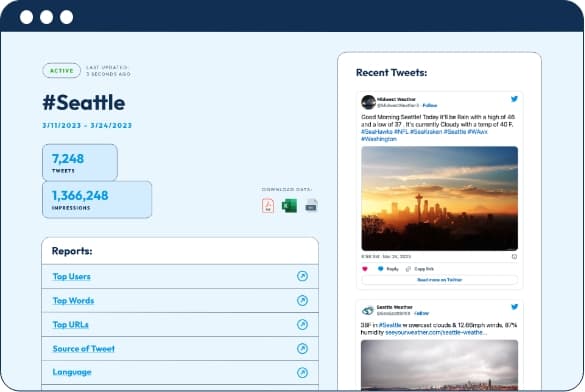
Tools like Tweet Archivist provide comprehensive historical analytics that help you identify long-term trends in your posting performance. By analyzing your complete Twitter archive, you can see exactly how frequency changes have impacted your account's growth and engagement over time.
A/B Testing Your Frequency
The only way to determine your account's optimal posting frequency is through systematic testing. Start with the recommended 3-5 tweets daily baseline, then experiment with variations:
Week 1-2: Post 3 times daily and establish baseline metrics for engagement rate, follower growth, and impression volume.
Week 3-4: Increase to 5 tweets daily while maintaining content quality. Compare metrics to your baseline.
Week 5-6: Test 7 tweets daily (if sustainable with your resources). Monitor for engagement fatigue signals like declining engagement rate.
Week 7-8: Return to your optimal frequency based on data, then test timing variations within that frequency.
Document your findings and revisit testing quarterly. Audience behavior, algorithm changes, and platform trends all evolve, meaning your optimal frequency may shift over time.
Optimization Based on Data
Once you've identified patterns in your data, make incremental adjustments. If 5 tweets daily produces better total engagement than 3, but 7 shows diminishing returns, stick with 5. If weekend posting generates minimal engagement for your audience, reduce weekend frequency and reallocate that content to weekdays.
Watch for seasonal patterns too. Many accounts see different optimal frequencies during holidays, major industry events, or slower summer months. Build flexibility into your strategy to accommodate these variations.
Common Posting Frequency Mistakes to Avoid
Even with data-backed guidelines, Twitter users frequently make predictable mistakes with their posting frequency. Avoiding these pitfalls will help you optimize faster and maintain better engagement.
Posting Too Inconsistently
The most common mistake is inconsistent posting—tweeting 10 times one day, then going silent for three days. This pattern confuses the algorithm, which rewards steady activity, and frustrates followers who never know when to expect content from you. Even if you can only sustain 2 tweets daily, that consistent pattern will outperform erratic high-volume spurts.
Confusing Activity with Strategy
Posting frequently without purpose or planning rarely produces results. Each tweet should have a reason for existing beyond "I needed to post something." Quality thresholds matter. If maintaining higher frequency forces you to share mediocre content, reduce your posting volume and focus on excellence.
Ignoring Engagement in Favor of Broadcasting
Some accounts focus exclusively on publishing original tweets while ignoring replies, mentions, and community engagement. Remember that Twitter is a conversation platform. Your posting frequency should include time allocation for genuine engagement, not just content broadcasting. A good rule: spend as much time engaging as you do creating original posts.
Following Generic Advice Without Testing
While research-backed recommendations provide excellent starting points, your specific audience might behave differently. Don't blindly follow "best practices" without testing them against your own data. An audience of night-shift workers will have different optimal posting times than corporate professionals. B2B audiences might prefer different frequencies than entertainment-focused accounts.
Neglecting Analytics
Flying blind without tracking metrics is perhaps the costliest mistake. You cannot optimize what you don't measure. Make time weekly to review your Twitter analytics, identify trends, and adjust your strategy accordingly. Use comprehensive tools like Tweet Archivist's archive analysis to understand long-term patterns that inform smarter frequency decisions.
Over-Automating
While automation helps maintain consistency, over-relying on scheduled content makes accounts feel robotic and disconnected. Reserve some posting slots for real-time engagement with trending topics, spontaneous thoughts, and timely reactions. This balance keeps your account feeling authentically human even when posting frequently.
Conclusion
So, how often should you post on Twitter in 2026? For most accounts, 3-5 tweets per day represents the optimal posting frequency—enough to maintain algorithmic favor and audience attention without overwhelming followers or sacrificing content quality.
However, the true optimal frequency for your specific account depends on multiple factors: your goals (growth, engagement, community, awareness), your resources (time, team size, content creation capacity), your audience (size, activity patterns, preferences), your industry (some sectors support higher frequency than others), and your content quality threshold (the maximum volume you can sustain while maintaining standards).
The path forward is clear: start with the research-backed baseline of 3-5 daily tweets, measure your results rigorously using comprehensive analytics tools, test variations systematically through A/B testing, adjust based on your specific data rather than generic advice, and maintain consistency above all else—the algorithm rewards steady activity.
Remember that posting frequency is just one element of Twitter success. The quality of your content, authenticity of your engagement, relevance to your audience, and consistency of your presence all matter equally. Find the frequency you can sustain while maintaining high standards, then commit to that schedule.
Ready to analyze your Twitter posting patterns and discover your optimal frequency? Explore Tweet Archivist's powerful analytics features to access your complete Twitter history, identify performance trends, and make data-driven decisions about your posting strategy. Understanding your past performance is the first step toward optimizing your future results.
Start with consistency, test with purpose, measure relentlessly, and adjust based on evidence. Your optimal Twitter posting frequency is waiting to be discovered in your data.