Evergreen Twitter Content: What to Tweet When You're Out of Ideas
Introduction
Staring at a blank tweet composer is one of the most frustrating experiences for anyone managing a Twitter presence. Whether you're a business owner, content creator, or social media manager, those moments when inspiration runs dry can derail your entire posting schedule.
The good news? You don't need to reinvent the wheel every single day. The most successful Twitter accounts rely on a foundation of evergreen content—tweets that remain relevant and valuable regardless of when someone sees them. Unlike trending topics that expire within hours, evergreen content continues driving engagement weeks, months, or even years after you first post it.
In this comprehensive guide, you'll discover over 50 evergreen Twitter content ideas organized by category, plus proven strategies for building a sustainable content system that eliminates creator's block forever. These aren't just random suggestions—they're battle-tested approaches used by accounts with thousands of engaged followers.
What Is Evergreen Twitter Content?
Before diving into specific ideas, let's clarify what makes content "evergreen" on Twitter.
Evergreen tweets are posts that maintain their relevance and value over time. They don't reference current events, trending topics, or time-sensitive information. Instead, they focus on timeless insights, universal truths, actionable advice, or relatable experiences that resonate with your audience regardless of when they encounter the content.
Examples of Evergreen vs. Time-Sensitive Content
Evergreen: "The best productivity tip I learned: If something takes less than 2 minutes, do it now instead of adding it to your list."
Time-Sensitive: "Just watched the Super Bowl halftime show—thoughts?"
The first example will be just as valuable to someone reading it tomorrow as it is today. The second loses relevance within hours.
Understanding this distinction is crucial because evergreen content forms the backbone of a sustainable Twitter strategy. While you should absolutely participate in timely conversations, having a library of evergreen content ideas ensures you never face an empty posting calendar.
Why Evergreen Content Matters for Twitter Growth
If you're serious about growing your Twitter presence, evergreen content isn't optional—it's essential. Here's why:
Consistent Value Delivery
Evergreen tweets provide consistent value to your audience. When new followers discover your profile, they'll find useful content even when browsing older posts. This increases the likelihood they'll hit that follow button and engage with your content.
Efficient Content Creation
Creating quality content takes time and energy. Evergreen tweets maximize your effort by remaining relevant long after publication. You can even repurpose and reshare them periodically without looking repetitive, especially as your audience grows and new followers join.
Sustainable Growth Foundation
According to Bulkoid, accounts that combine evergreen content strategies with consistent posting schedules see 3x higher follower retention rates. While trending topics might spike your impressions temporarily, evergreen content builds lasting authority in your niche.
Better Analytics Insights
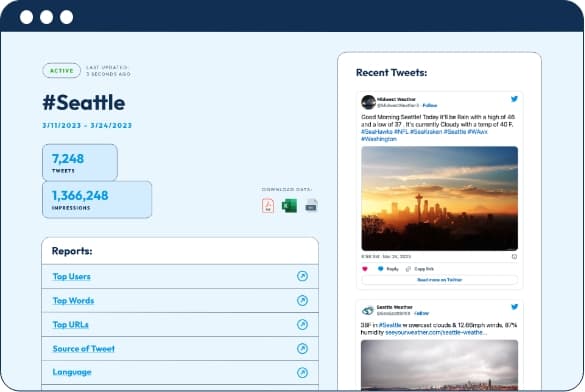
When you track your evergreen content performance using tools like Tweet Archivist's analytics features, you gain valuable insights into what truly resonates with your audience. This data helps you refine your content strategy over time, doubling down on what works and eliminating what doesn't.
Now let's explore the specific content ideas you can implement immediately.
Educational Content Ideas (12 Ideas)
Educational content consistently ranks among the highest-performing evergreen tweet types. When people learn something valuable, they naturally want to share it—which means more retweets and engagement for you.
1. Quick Tips and Hacks
Share bite-sized, actionable advice your audience can implement immediately. Format: "Pro tip: [specific advice]". Example: "Pro tip: Before hitting send on important emails, read them out loud. You'll catch mistakes your eyes missed."
2. Step-by-Step Mini-Tutorials
Break down complex processes into simple numbered steps. Twitter threads work perfectly for this format, but even a single tweet with 3-5 steps can provide immense value.
3. Common Mistakes to Avoid
People learn just as much from what NOT to do. Share mistakes you've made or commonly see in your industry. Format: "Biggest mistake I see [audience] making: [mistake]. Instead, try [solution]."
4. Tool and Resource Recommendations
Curate lists of your favorite tools, apps, books, or resources. Make these specific to your niche. Example: "3 free tools that improved my productivity by 10+ hours/week: [list with brief explanations]."
5. Definitions and Explanations
Explain industry jargon or complex concepts in simple terms. Format: "[Term] explained in plain English: [clear definition + why it matters]."
6. Before/After Comparisons
Show transformation through your methodology or advice. Format: "How I went from [negative state] to [positive state]: [key lessons]."
7. Framework and Template Shares
Share mental models, frameworks, or templates your audience can apply to their own situations. Example: "My 4-step framework for making tough decisions: [numbered list]."
8. Counterintuitive Insights
Challenge conventional wisdom with surprising truths backed by your experience or research. Format: "Unpopular opinion: [conventional wisdom] is wrong. Here's why: [explanation]."
9. "I Just Learned" Moments
Share recent discoveries or insights. This positions you as a continuous learner while providing value. Format: "I just realized [insight]. This changes everything about [topic]."
10. Analogies and Explanations
Use creative analogies to explain difficult concepts. Format: "[Complex topic] is like [relatable analogy]: [explanation of connection]."
11. Data and Statistics
Share interesting statistics or research findings relevant to your audience. Always cite sources. Format: "[Surprising statistic] according to [source]. This means [implication for your audience]."
12. Lessons Learned
Distill your experience into actionable lessons. Format: "After [time period/experience], I learned: [numbered list of lessons]."
Engagement-Driven Content (10 Ideas)
Twitter's algorithm rewards engagement. These content types naturally encourage replies, likes, and retweets—all of which amplify your reach.
13. Open-Ended Questions
Ask thoughtful questions that invite your audience to share their experiences or opinions. Keep them relevant to your niche. Example: "What's one habit that changed your life this year?"
14. This or That Choices
Present two options and ask your audience to choose. Format: "[Option A] or [Option B]? Reply with your choice and why."
15. Fill-in-the-Blank Prompts
Create sentence starters your audience can complete. Format: "The best advice I ever received: ___________"
16. Twitter Polls
Use Twitter's built-in poll feature to gather opinions on relevant topics. Polls boost engagement and provide valuable audience insights.
17. Hot Takes and Opinions
Share strong (but reasonable) opinions on topics in your niche. Opinions spark discussion. Format: "Controversial take: [opinion]. Here's why: [reasoning]."
18. Challenge Your Audience
Invite followers to share their results or attempts at something. Format: "Challenge: [describe challenge]. Reply with your results."
19. Caption This Content
Share an image and ask followers to write the caption. This works especially well with funny or intriguing photos.
20. Rate This Scenario
Describe a situation and ask your audience to rate it on a scale. Format: "Rate this on a scale of 1-10: [scenario]."
21. Agree or Disagree
Present a statement and ask followers whether they agree. Format: "[Statement]. Agree or disagree?"
22. One-Word Response Questions
Ask questions that can be answered in a single word. This lowers the barrier to engagement. Format: "Describe your 2026 in one word. Go."
Personal & Authentic Content (8 Ideas)
Authenticity builds trust and connection with your audience. These ideas help humanize your account and create deeper relationships with followers.
23. Behind-the-Scenes Moments
Share glimpses of your workspace, daily routine, or creative process. People love seeing what happens behind the curtain.
24. Wins and Milestones
Celebrate achievements, both big and small. Your audience wants to celebrate with you. Format: "Just hit [milestone]! Here's what I learned getting here: [insights]."
25. Challenges and Struggles
Share obstacles you're facing or have overcome. Vulnerability creates connection. Format: "Struggling with [challenge]. Here's my plan to overcome it: [approach]."
26. Origin Stories
Share how you got started in your field or why you're passionate about your niche. Format: "How I got into [field/niche]: [brief story + key turning point]."
27. Daily Observations
Share interesting things you notice about your industry, human behavior, or life in general. Format: "Interesting thing I noticed today: [observation + reflection]."
28. Values and Beliefs
Share what you stand for and why. This helps attract aligned followers. Format: "I believe [statement]. Here's why: [reasoning]."
29. Current Projects
Give updates on what you're working on. This creates anticipation and keeps your audience invested in your journey.
30. Gratitude Posts
Express appreciation for your followers, team members, mentors, or opportunities. Gratitude posts humanize your account and foster community.
Business & Promotional Content (10 Ideas)
Yes, you can promote your products, services, or offers as evergreen content—if you do it strategically and focus on value.
31. Problem-Solution Posts
Identify a specific problem your audience faces and position your solution. Format: "Struggling with [problem]? Here's how [your solution] helps: [benefits]."
32. Feature Highlights
Showcase specific features of your product or service and explain the benefit. Format: "[Feature] lets you [benefit]. Here's how it works: [brief explanation]."
33. Customer Success Stories
Share testimonials or case studies highlighting results your customers achieved. Real results from real people build trust.
34. Use Case Examples
Describe specific scenarios where your product/service adds value. Format: "How [audience segment] uses [product] to [achieve result]: [example]."
35. FAQ Answers
Turn common questions into valuable content. This reduces sales friction while providing value to broader audiences.
36. Comparison Content
Position your solution against alternatives (without bashing competitors). Format: "[Your solution] vs. [alternative approach]: [honest comparison]."
37. Free Value Offerings
Promote free resources like guides, templates, webinars, or tools. Free value builds trust and grows your list. Format: "Free resource: [description]. Reply with [keyword] and I'll send it to your DMs."
38. Process and Methodology
Share your unique approach or methodology. This demonstrates expertise while subtly promoting your services.
39. Results and Metrics
Share impressive results or metrics (yours or your clients'). Numbers grab attention. Format: "[Metric/result] in [timeframe]. Here's the strategy that made it possible: [brief overview]."
40. Behind-the-Product Stories
Share why you built your product or service, what problem inspired it, or how you developed it. Origin stories create emotional connections.
When promoting your business, remember that consistency matters. Services like Bulkoid can help amplify your promotional content to the right audiences, ensuring your valuable offers reach people who'll benefit most.
Community-Building Content (8 Ideas)
Building a engaged community requires intentional effort to foster connection and recognition among your followers.
41. Follower Spotlights
Highlight amazing followers, customers, or community members. Recognition strengthens relationships. Format: "Shoutout to [@username] for [reason]. Go follow them if you want to [value they provide]."
42. Ask for Recommendations
Request suggestions from your community. Format: "Looking for [type of recommendation]. Drop your suggestions below."
43. Community Wins
Celebrate your community's achievements. Format: "Love seeing the wins from this community! Congrats to everyone who [achievement] this week."
44. Introduction Prompts
Invite new followers to introduce themselves. Format: "New here? Reply with: 1) What you do 2) What you're working on 3) How I can help."
45. Collaboration Calls
Invite collaboration or partnerships with your audience. Format: "Looking to collaborate with [type of people] on [project/topic]. Interested? Let's connect."
46. Community Questions
Ask your community for help or advice. People love being asked for their expertise. Format: "Question for the community: [specific question]. What's your take?"
47. Inside Jokes and Callback References
As your community grows, develop shared references or inside jokes that make members feel part of something special.
48. Community Challenges
Organize challenges or events your community can participate in together. Format: "Starting a [timeframe] challenge: [describe challenge]. Who's in? Reply to join."
Visual & Creative Content (7 Ideas)
Visual content stops the scroll. These ideas leverage images, videos, and creative formats for higher engagement.
49. Motivational Quotes
Share inspiring quotes with attractive visuals. Attribute properly and choose quotes relevant to your audience. While simple, quote tweets consistently perform well.
50. Infographics and Visual Data
Turn data, processes, or tips into visual formats. Infographics are highly shareable and easier to digest than text.
51. Memes (Niche-Relevant)
Create or share memes related to your industry. Humor builds connection, but keep memes relevant to your niche.
52. Before/After Images
Visual transformations grab attention. Show progress, improvements, or results through image comparisons.
53. Screenshots of Insights
Share screenshots of interesting conversations, stats, or insights (with permission). This adds credibility and visual interest.
54. Short Video Clips
Brief video content outperforms static images. Share quick tips, demonstrations, or insights in 15-60 second clips.
55. GIFs for Reactions
Use GIFs to express reactions, emotions, or commentary. They add personality and entertainment value to your feed.
Content Curation & Sharing (6 Ideas)
You don't need to create everything from scratch. Strategic content curation positions you as a valuable resource while supporting others.
56. Curated Resource Lists
Compile lists of articles, tools, or accounts your audience should know about. Format: "[Number] resources for [goal]: [list with brief descriptions]."
57. Quote Tweets with Commentary
Share others' tweets with your unique perspective or insights added. This creates new value while amplifying good content.
58. Thread Compilations
Summarize or share valuable Twitter threads from others in your niche. Format: "Incredible thread on [topic] by [@username]. Key takeaways: [summary]."
59. Industry News with Analysis
Share news relevant to your niche, but add your analysis or perspective. Pure news sharing is time-sensitive, but your analysis makes it evergreen.
60. Book/Podcast Recommendations
Share books, podcasts, or other media that influenced your thinking. Format: "Currently reading [book]. Best insight so far: [specific takeaway]."
61. Best Tweets of the Week
Compile and share the best content you encountered. This provides value to your audience and builds relationships with the creators you feature.
Building Your Evergreen Content Strategy
Having a list of 61 content ideas is valuable, but sustainable success requires a strategic approach to implementation.
Create Your Content Bank
Don't try to remember all these ideas when you sit down to tweet. Instead, create a content bank—a document or spreadsheet where you collect ideas, half-written tweets, and inspiration as it strikes. When you're ready to post, simply polish and schedule from your bank rather than starting from scratch.
Organize your content bank by category (educational, engagement, personal, etc.) so you can maintain variety in your posting schedule.
Develop a Posting Rhythm
Successful Twitter accounts typically post 3-10 times daily. That might sound overwhelming, but with evergreen content, you can batch-create posts and schedule them in advance.
Consider a weekly rhythm like:
- Monday: Educational tip + Poll
- Tuesday: Personal insight + Engagement question
- Wednesday: Resource recommendation + Community spotlight
- Thursday: Industry observation + Hot take
- Friday: Win celebration + Weekend question
- Saturday: Visual/creative content
- Sunday: Thread or longer-form content
This structure ensures variety while maintaining consistency. Adapt the rhythm to your audience's preferences based on performance data.
The 70-20-10 Rule
Balance your content using the 70-20-10 framework:
- 70% Value-driven content: Educational tips, insights, helpful resources
- 20% Engagement content: Questions, polls, conversations
- 10% Promotional content: Product mentions, offers, calls-to-action
This ratio keeps your feed valuable without being overly sales-focused, which builds trust and authority over time.
Recycle Your Best Performers
Here's the beautiful thing about evergreen content: you can repost it. Once you identify your highest-performing tweets through Twitter analytics tracking, schedule them to reappear every 60-90 days.
Your audience constantly grows, and your old followers won't remember a tweet from three months ago. Tools like Tweet Archivist help you identify which content deserves recycling by showing engagement patterns across your entire posting history.
Document Your Content Wins
Keep a "swipe file" of your best-performing content. Note what worked and why—was it the format, timing, topic, or something else? Over time, you'll identify patterns unique to your audience that inform future content creation.
Tracking Your Evergreen Content Performance
Creating content is only half the battle. To continuously improve your Twitter strategy, you need robust analytics that show what's working.
Key Metrics to Monitor
For evergreen content, focus on these metrics:
- Engagement rate: Total engagements divided by impressions
- Reply rate: Number of replies relative to your follower count
- Retweet rate: How often people share your content
- Profile visits: Whether content drives people to learn more about you
- Link clicks: If you included links, how many people clicked
- Long-term performance: How content performs weeks or months after posting
Use Comprehensive Analytics Tools
While Twitter's native analytics provide basic insights, they lack historical depth and comparative analysis. This is where Tweet Archivist becomes invaluable.
Tweet Archivist allows you to:
- Access your complete Twitter history beyond the native 3,200 tweet limit
- Identify your top-performing evergreen content over extended periods
- Track engagement trends and patterns across categories
- Compare performance across different content types
- Export data for deeper analysis and reporting
This level of insight helps you make data-driven decisions about which evergreen content types deserve more investment and which to retire.
A/B Test Your Approaches
Don't assume—test. Try different formats, posting times, and content angles within each category. For example, test whether your audience prefers:
- Numbered lists vs. narrative tips
- Questions with one-word answers vs. open-ended discussions
- Image posts vs. text-only tweets
- Short punchy tweets vs. mini-threads
Let data guide your content strategy rather than assumptions or personal preferences.
Conclusion
Running out of tweet ideas is a solvable problem. With 61+ evergreen content ideas organized by category, you now have a systematic approach to filling your content calendar for months to come.
Remember these key principles:
- Evergreen content is your foundation—it provides consistent value regardless of when someone discovers it
- Variety prevents monotony—rotate between educational, engaging, personal, promotional, community-focused, visual, and curated content
- Strategic recycling amplifies impact—your best evergreen tweets deserve to be seen by new followers every few months
- Data drives improvement—track performance to understand what resonates with your unique audience
- Consistency compounds results—regular posting with evergreen content builds authority and grows your audience over time
The difference between accounts that struggle with content creation and those that post consistently isn't creativity—it's systems. By implementing the frameworks and ideas in this guide, you're building a content system that eliminates guesswork and delivers reliable results.
Start by choosing 3-5 content categories that align with your goals and audience. Create 10 tweets in each category and schedule them over the next two weeks. Track the results using Tweet Archivist's analytics features, identify your top performers, and double down on what works.
Your Twitter growth journey doesn't require viral moments or lucky breaks. It requires valuable, consistent, strategic content that serves your audience—and now you have exactly what you need to deliver that.
What will you tweet today?