Twitter Ghostwriting: How to Become a Successful Twitter Ghostwriter in 2026
Introduction
Twitter ghostwriting has evolved from a niche service into a booming industry where skilled writers earn $10,000 or more per month crafting tweets for executives, founders, and thought leaders. With approximately 60% of major Twitter accounts using ghostwriters to some degree, the demand for talented Twitter content creators has never been higher.
But here's the reality most people don't talk about: successful Twitter ghostwriting isn't just about writing clever tweets. It's about capturing someone else's voice, understanding platform dynamics, building systems that scale, and positioning yourself as an indispensable partner in your client's personal brand strategy.
Whether you're a content writer looking to specialize, a social media manager seeking to expand your services, or an entrepreneur building a new income stream, this comprehensive guide will walk you through everything you need to know about building a successful Twitter ghostwriting business in 2026.
What is Twitter Ghostwriting?
Twitter ghostwriting is the practice of creating tweets, threads, and Twitter content on behalf of someone else who publishes it under their own name. Unlike traditional ghostwriting for books or articles, Twitter ghostwriters must master the art of short-form content, platform-specific trends, and authentic voice replication.
A professional Twitter ghostwriter doesn't just write words—they become an extension of their client's thinking. They study how their client communicates, what topics matter to them, and how to translate complex ideas into engaging 280-character posts that drive conversations and build influence.
The scope of Twitter ghostwriting services typically includes:
- Daily tweets and replies that maintain consistent posting schedules
- Long-form threads that establish thought leadership
- Engagement strategy including which conversations to join and how to respond
- Content calendars aligned with product launches, industry events, or personal milestones
- Performance analytics to refine strategy based on what resonates with the audience
Unlike blog ghostwriting where the writer's style can shine through, Twitter ghostwriting demands complete invisibility. Your ego must take a backseat while your client's voice takes center stage—and that's precisely what makes this skill so valuable.
Why Twitter Ghostwriting is in High Demand
The explosion of Twitter ghostwriting services isn't accidental. Several converging factors have created a perfect storm of demand for skilled Twitter content creators.
The Personal Brand Economy
We're living in an era where personal brands drive business success. Founders with strong Twitter presences raise funding more easily. Executives with engaged followings attract better talent. Consultants with thought leadership status command premium rates. Everyone understands they need to be on Twitter—but few have the time or skill to do it effectively.
Time Constraints of High-Value Individuals
A CEO's time is worth $500+ per hour. Spending 60-90 minutes daily crafting tweets, engaging with replies, and monitoring trends isn't economically rational. For less than their hourly rate, they can hire a skilled ghostwriter who not only saves time but often produces better content through specialization.
The Complexity of Modern Twitter
Twitter has evolved far beyond simple status updates. Success now requires understanding algorithm patterns, optimal posting times, engagement loops, thread structures, visual content integration, and how to spark conversations without creating controversies. It's become a full-time skill that busy professionals simply cannot master while running companies.
Proven ROI
Companies and individuals are witnessing measurable returns from Twitter presence: inbound leads, partnership opportunities, speaking engagements, and increased brand equity. When Twitter drives revenue, investing in professional ghostwriting becomes an easy decision. According to industry research, accounts managed by professional ghostwriters see 3-5x higher engagement rates compared to inconsistently managed accounts.
Essential Skills for Twitter Ghostwriters
Becoming a successful Twitter ghostwriter requires a specific blend of skills that go beyond general writing ability. Here are the core competencies you must develop:
Voice Capture and Adaptation
The ability to absorb someone's communication style and replicate it authentically is your most valuable skill. This means studying their existing content, understanding their vocabulary choices, recognizing their humor patterns, and identifying their core beliefs. The best ghostwriters can write in five different voices without any overlap.
Platform Expertise
You need deep, practical knowledge of how Twitter works. This includes understanding the algorithm's preference for certain content types, knowing optimal character counts for retweets, recognizing which hooks capture attention, and staying current with platform changes. Your own Twitter account should demonstrate this expertise—it's your living portfolio.
Strategic Thinking
Every tweet should serve a purpose. Sometimes it's audience engagement, other times it's establishing authority or promoting a product. You must think several moves ahead, understanding how individual tweets contribute to broader positioning goals. This strategic layer separates amateur ghostwriters from professionals earning $10,000+ monthly.
Research Efficiency
Twitter moves fast. You need to quickly research industry topics, fact-check claims, find relevant statistics, and identify trending conversations worth joining. Developing research systems that let you create informed content without endless rabbit holes is critical for maintaining profitability.
Emotional Intelligence
Twitter is an emotional platform. You need to sense when your client should engage in a debate versus when to stay silent, how to handle criticism gracefully, and when humor is appropriate. Poor judgment in these areas can damage your client's reputation—and your career.
Analytics Interpretation
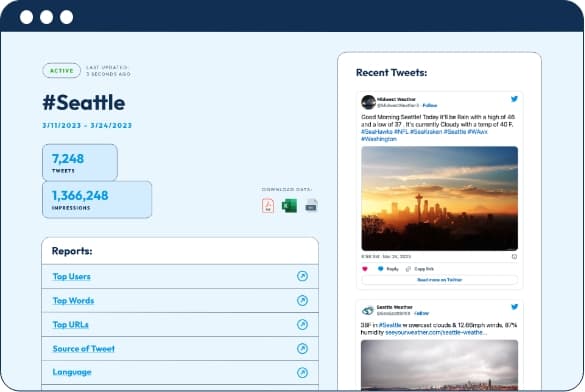
You should understand what metrics matter and how to extract insights from data. Tools like Tweet Archivist's analytics features help you track performance over time, identify top-performing content types, and make data-driven decisions about content strategy. The ability to show clients concrete results through analytics is what justifies premium pricing.
Getting Started as a Twitter Ghostwriter
Breaking into Twitter ghostwriting requires strategic positioning and proof of your abilities. Here's how to establish yourself in this competitive market:
Build Your Own Twitter Presence First
This is non-negotiable. You cannot convince others you can grow their audience if you're virtually invisible yourself. Your Twitter account IS your portfolio. Since you typically cannot show client work (ghostwriting is confidential), your personal content must demonstrate your capabilities.
Start by committing to consistent posting: at least one quality tweet and one reply daily. Focus on a specific niche where you can demonstrate expertise—whether that's SaaS, Web3, e-commerce, or personal development. Your goal is reaching 1,000 engaged followers who interact with your content.
Study Successful Accounts
Identify 10-20 accounts in various niches that consistently produce engaging content. Don't just follow them—analyze them. What hooks do they use? How do they structure threads? When do they post? What topics generate the most discussion? Create a swipe file of exceptional tweets for inspiration and pattern recognition.
Practice Voice Replication
Choose three accounts with distinctly different voices. For one week, write five tweets daily in each person's style without publishing them. This exercise trains your ability to shift between communication styles—the core skill of ghostwriting. After a week, compare your practice tweets to their actual tweets and refine your approach.
Create a Portfolio Approach
Since you can't share confidential client work, develop alternative proof points:
- Your own successful tweets demonstrating writing ability
- Case studies describing results without identifying clients ("Helped a SaaS founder grow from 500 to 5,000 followers in 90 days")
- Testimonials from early clients
- Before/after analytics showing engagement improvements
Start with Test Projects
Offer your first 2-3 clients a discounted trial period: one month at $300-500. This lowers their risk while giving you case studies and testimonials. Focus on delivering exceptional results that justify your full pricing when you transition them to standard rates.
Pricing Strategies That Work
Pricing your Twitter ghostwriting services correctly is crucial for attracting the right clients while ensuring your business remains profitable. The ghostwriting market spans from $25 gigs on Fiverr to $10,000+ monthly retainers—here's how to position yourself strategically.
Market Pricing Overview
Based on 2026 market research, Twitter ghostwriting pricing typically falls into these ranges:
- Beginner tier: $200-600 per month for basic tweet writing
- Intermediate tier: $1,000-3,000 per month for comprehensive content including threads
- Professional tier: $3,000-10,000+ per month for full-service ghostwriting with strategy
- Premium tier: $10,000-50,000+ per month for high-profile clients with extensive requirements
Your pricing should reflect your experience, the results you deliver, your client's profile, and the scope of services provided. A founder ghostwriter who helps CEOs build thought leadership can command significantly higher rates than someone simply scheduling promotional tweets.
Package Structure That Converts
Rather than hourly pricing, structure your services into clear packages that clients can easily understand and compare:
Starter Package ($1,000-1,500/month):
- 5 original tweets per week
- 1 thread per week
- Basic engagement (replies to mentions)
- Monthly performance report
Professional Package ($2,500-4,000/month):
- Daily tweets (7 per week)
- 2-3 threads per week
- Active engagement strategy
- Content calendar planning
- Bi-weekly strategy calls
- Detailed analytics and recommendations
Executive Package ($5,000-10,000+/month):
- Comprehensive content strategy
- Unlimited tweets and threads as needed
- Full engagement management
- Weekly strategy sessions
- Reputation monitoring and crisis response
- Integration with PR and marketing initiatives
- Advanced analytics using tools like Tweet Archivist
Value-Based Pricing Considerations
As you gain experience, shift toward value-based pricing rather than time-based pricing. A tweet that helps a founder announce a $10M funding round is worth far more than the 20 minutes spent writing it. Some ghostwriters charge $100,000 for a single high-stakes thread—and clients pay it because the value justifies the investment.
Consider the client's business model when setting prices. A B2B SaaS company generating $5M in annual revenue can afford significantly more than a solopreneur consultant. Your Twitter ghostwriting should be an easy ROI decision, not a painful expense.
Avoiding the Race to the Bottom
Never compete on price alone. The market for $50/month ghostwriting is saturated with low-quality providers. Instead, position yourself on results, specialization, and strategic thinking. Clients paying $5,000+ monthly aren't price shopping—they're looking for partners who understand their industry and can drive measurable business outcomes.
How to Find Your First Ghostwriting Clients
Landing your first few Twitter ghostwriting clients requires strategic outreach, positioning, and patience. Here's a proven framework for attracting clients without endless cold pitching:
The Inbound Strategy: Let Clients Come to You
The most sustainable client acquisition method is creating content so valuable that potential clients reach out to you. This approach requires patience but yields the highest-quality clients and best long-term relationships.
Start by consistently posting insights about Twitter growth, content strategy, and audience building. Share case studies (without identifying clients), before/after examples, and tactical advice others can implement immediately. When someone sees your thread about "5 tweet hooks that generated 1M impressions," they naturally wonder: "Could this person do this for me?"
Include subtle calls-to-action in your bio and occasional tweets: "I help founders build Twitter presence | DM for ghostwriting inquiries." Don't be pushy, but make it clear you offer services.
The Outreach Strategy: Proactive Client Acquisition
While building inbound channels, you can accelerate growth through strategic outreach. Here's a framework that works:
Step 1: Identify ideal prospects - Look for accounts with 500-5,000 followers in your niche who post inconsistently or have below-average engagement relative to their follower count. These are people who understand Twitter's value but struggle with execution.
Step 2: Study their account thoroughly - Spend 30 minutes understanding their business, content themes, and gaps. What topics could they cover but don't? Where is their engagement weak? What opportunities are they missing?
Step 3: Create value first - Write 3-5 sample tweets in their voice addressing topics relevant to their business. Don't send them yet—just have them ready.
Step 4: Reach out with specific insights - Send a DM or email (not a template) that demonstrates you've studied their account: "I noticed you have great insights on [topic] but your threads about [subject] don't get the engagement they deserve. I have some specific ideas about hook structure that could change that. Mind if I share them?"
Step 5: Provide value, then transition - Share one specific, actionable insight. If they engage positively, mention: "I actually wrote a few sample tweets for your account that take this approach—want to see them?" Then transition to discussing ghostwriting services.
This approach works because you're leading with value, demonstrating your abilities, and making it easy for them to say yes.
Network Within Communities
Many successful ghostwriters found their first clients through writing communities, Twitter growth cohorts, or industry-specific groups. Programs like Ship30for30, Write of Passage, or niche communities for founders create environments where connections naturally form.
Participate genuinely in these communities, offer free advice, and build relationships without immediate sales intent. When someone asks, "Does anyone know a good Twitter ghostwriter?" you want five people to tag you.
Leverage Marketplaces Initially
While not ideal for premium pricing, platforms like Legiit, Upwork, or Contra can provide early clients and testimonials. Create a compelling profile showcasing your Twitter expertise, offer competitive introductory pricing, and focus on delivering exceptional results that lead to testimonials and referrals.
Don't plan to stay on marketplaces long-term, but they can bridge the gap while you build your personal brand and portfolio.
Client Onboarding and Workflow
Your client onboarding process makes the difference between confused, high-maintenance relationships and smooth, profitable partnerships. Here's how professional ghostwriters structure their workflows:
The Onboarding Process
When a new client signs on, invest heavily in the first two weeks to set a strong foundation:
Week 1: Deep Discovery
Schedule a 60-90 minute kickoff call covering:
- Their business model, target audience, and key messages
- Twitter goals (thought leadership, lead generation, community building, recruiting)
- Topics they want to discuss and topics to avoid
- Tone and voice preferences (professional, casual, contrarian, supportive)
- Competitor accounts they admire or want to differentiate from
- Approval process and communication preferences
After this call, request access to any existing content: past tweets, blog posts, podcast transcripts, internal communications. The more you consume, the better you'll capture their voice.
Week 2: Voice Calibration
Create 15-20 sample tweets covering different topics and styles. Send them to your client and ask: "Which of these sound most like you? Which feel off?" This feedback calibrates your understanding of their voice.
Most clients can't articulate their voice preferences directly ("I want to sound authentic" isn't actionable), but they can identify what sounds right when they see it. This exercise accelerates the learning curve dramatically.
Ongoing Workflow
Once onboarding is complete, establish a predictable rhythm:
Content Creation Cycle:
- Monday: Create content calendar for the week (7-10 tweets, 1-2 threads)
- Tuesday: Submit draft content in shared Google Doc or project management tool
- Wednesday: Client reviews and provides feedback
- Thursday: Revise based on feedback and schedule content using tools like Hypefury or TweetDeck
- Friday-Sunday: Monitor engagement, respond to high-value replies, identify trending topics for next week
Communication Channels:
Use Slack or dedicated project management tools for ongoing communication. Voice notes are particularly valuable for capturing spontaneous thoughts—clients can send a 2-minute voice message about an idea, and you transform it into a thread. This workflow allows busy executives to contribute without writing themselves.
Analytics and Reporting
Monthly reporting keeps clients informed and justifies your value. Use comprehensive Twitter analytics tools to track:
- Follower growth rate and quality
- Tweet performance (impressions, engagement rate, top performers)
- Thread performance and completion rates
- Reply quality and conversation depth
- Traffic driven to their website or newsletter
Present these metrics with insights: "Your tweets about [topic] consistently outperform others by 3x. We should double down on this theme next month." This demonstrates strategic thinking beyond just writing tweets.
Creating High-Performing Content
Understanding what makes Twitter content perform well is crucial for delivering results that justify premium ghostwriting fees. Here are the principles and techniques used by top-performing ghostwriters:
The Anatomy of High-Performing Tweets
While every audience is different, certain patterns consistently drive engagement across niches:
Hook-First Structure: Your first sentence must grab attention in a crowded timeline. Effective hooks include surprising statistics ("93% of founders make this hiring mistake"), bold claims ("Cold email is dead. Here's what works now"), or relatable problems ("You're wasting 3 hours daily on Twitter. Here's how I got it down to 30 minutes").
Specificity Over Generality: "Here are 7 ways to improve your marketing" is weak. "Here's the exact cold email template that booked me 47 sales calls last month" is compelling. Specific numbers, concrete examples, and tactical details signal value.
Conversational Tone: Twitter rewards content that feels like a smart friend sharing insights at coffee, not a formal business presentation. Use contractions, start sentences with "and" or "but," and write how you'd actually speak.
Thread Strategy
Long-form threads are the premium content format on Twitter, driving significantly higher engagement and follower growth than single tweets. Here's how to structure threads that perform:
The Promise-Deliver-CTA Framework:
- Tweet 1: Hook with a clear promise ("I analyzed 10,000 successful cold emails. Here are the 3 patterns that generated 80% of replies")
- Tweets 2-10: Deliver on the promise with specific, actionable insights
- Final tweet: Include a CTA (follow for more insights, check out our product, share if this was valuable)
Each tweet in the thread should provide standalone value while building toward a larger point. Avoid threads where tweet 5 makes no sense without reading tweets 1-4—Twitter's algorithm surfaces individual tweets, not entire threads.
Engagement Loops
The best ghostwriters don't just publish content—they engineer conversations. Ask questions that invite responses: "What's your biggest challenge with [topic]?" Share contrarian viewpoints that spark discussion: "Unpopular opinion: [bold claim]. Here's why." Reply thoughtfully to comments to extend conversation threads.
Engagement signals (replies, likes, retweets) tell Twitter's algorithm your content is valuable, leading to more distribution. A tweet with 50 thoughtful replies will reach more people than a tweet with 500 likes but no comments.
Strategic Content Mix
Vary your content types to serve different audience needs:
- Educational threads (30%): Tactical how-to content that provides immediate value
- Insights and observations (25%): Thought leadership that positions your client as a strategic thinker
- Stories and experiences (20%): Personal narratives that build connection and relatability
- Questions and engagement posts (15%): Content designed primarily to spark conversation
- Promotional content (10%): Product launches, announcements, or business updates
This mix ensures your client's feed provides value while advancing business objectives. Pure self-promotion kills engagement; pure value-giving without monetization wastes opportunity. Balance is key.
Essential Tools and Resources
Professional Twitter ghostwriters leverage specific tools to create better content faster, maintain consistency, and demonstrate results to clients.
Content Creation and Scheduling
Tweet Hunter: This comprehensive platform combines a massive swipe file of high-performing tweets, AI-powered writing assistance, scheduling capabilities, and performance analytics. Many professional ghostwriters use Tweet Hunter as their primary content creation tool, particularly for finding inspiration and predicting tweet performance before publishing.
Hypefury: Excellent for scheduling threads, automating evergreen content rotation, and auto-retweeting your best-performing posts to maximize reach. The automatic engagement features help maintain consistent presence without manual monitoring.
Typefully: A clean, distraction-free writing environment specifically designed for crafting Twitter threads. The analytics integration helps you understand which threads resonate most with your audience.
Analytics and Performance Tracking
While Twitter's native analytics provide basic metrics, professional ghostwriters need deeper insights to optimize strategy and report results:
Tweet Archivist: For comprehensive historical analysis, Tweet Archivist offers advanced features including sentiment analysis, hashtag performance tracking, and the ability to analyze your complete Twitter history. This is particularly valuable for identifying long-term trends and understanding what content themes consistently perform well.
Twitter Analytics: Don't overlook Twitter's built-in analytics dashboard. It provides essential data on impressions, engagement rates, follower demographics, and top-performing content. Check it weekly to understand what's working.
Voice and Content Research
NotionAI or ChatGPT: While you should never directly copy AI-generated content (it lacks authenticity), these tools excel at brainstorming angles, researching topics quickly, and organizing content calendars. Use AI as a research assistant, not a replacement for your writing.
Evernote or Notion: Build a swipe file of exceptional tweets, threads, and hooks. When you see content that performs well, save it with notes about why it worked. This becomes your inspiration library when facing writer's block.
Growth and Engagement
While organic growth should be your primary focus, strategic use of growth tools can accelerate results:
Bulkoid.com: When launching a new client account or jumpstarting growth, services like Bulkoid.com can provide social proof through initial follower growth and engagement, making it easier for organic growth to take hold. This should complement, not replace, quality content strategy.
Tweet Deck: Twitter's free tool for monitoring multiple feeds simultaneously. Create columns for mentions, DMs, specific hashtags, and competitor accounts to stay on top of engagement opportunities.
Project Management
Notion or Airtable: Organize content calendars, track client preferences, store brand guidelines, and manage multiple accounts. A well-organized system is essential when managing 3-5+ clients simultaneously.
Slack: Most clients prefer Slack for ongoing communication. Create dedicated channels for content drafts, urgent updates, and casual conversation to keep communication organized.
Scaling Your Ghostwriting Business
Once you've landed 2-3 clients and refined your processes, you'll face a choice: remain a boutique operation with high-touch service for a few premium clients, or scale into an agency model serving more clients with systems and team members.
The Boutique Model
Focus on 3-5 premium clients paying $5,000-10,000+ monthly. Your competitive advantage is deep personal attention, strategic thinking, and exceptional quality. This model works well if you enjoy the craft of writing and prefer working directly with high-level executives.
Advantages: Lower stress, deeper relationships, higher per-client revenue, complete creative control.
Challenges: Revenue ceiling around $30-50k monthly unless you raise prices significantly, vulnerable to losing a single client, all work depends on you personally.
The Agency Model
Build systems and hire other writers to serve 10-20+ clients, with you focusing on strategy, client relationships, and quality control. This model works if you're entrepreneurially minded and willing to shift from doing the work to managing the business.
Advantages: Higher revenue ceiling ($100k+ monthly possible), business value beyond your personal time, team redundancy if someone gets sick.
Challenges: Managing team members, maintaining quality across writers, higher operational complexity, client concerns about not getting you personally.
Key Scaling Decisions
Systematize Before You Scale: Document your processes before hiring. Create templates for onboarding, content calendars, voice guides, and reporting. Every repeated task should have a checklist or SOP.
Hire Slowly, Fire Quickly: Your first team member will make or break scaling efforts. Look for writers who are naturally excellent at voice replication, take feedback well, and approach Twitter strategically. A mediocre ghostwriter will cost you clients.
Maintain Quality Control: Even with team members writing, you should review all content before it goes to clients. Your reputation is on the line with every tweet published.
Specialize Your Positioning: As you scale, niche down further. "Twitter ghostwriting for B2B SaaS founders" is more compelling and easier to systematize than "Twitter ghostwriting for anyone." Specialization allows you to develop industry expertise, create better content, and command higher prices.
Common Mistakes to Avoid
Learning from others' mistakes is cheaper than making them yourself. Here are the most common pitfalls that derail Twitter ghostwriting businesses:
Mistake #1: Competing on Price
Positioning yourself as the "affordable Twitter ghostwriter" attracts price-sensitive clients who'll leave for someone $50 cheaper. It also prevents you from investing time in quality work since you need high volume to make money. Instead, position on results, specialization, and strategic value. One client paying $5,000 is better than ten clients paying $500.
Mistake #2: Copying Your Own Voice
New ghostwriters often struggle to separate their personal writing style from their client's voice. The result is content that sounds like you, not them—and clients immediately notice. Invest time in the voice calibration process, study their existing content extensively, and constantly ask: "Would my client say this this way?"
Mistake #3: Ignoring Analytics
Some ghostwriters treat analytics as a monthly reporting chore rather than a strategic tool. The data tells you what's working. If threads consistently outperform single tweets, create more threads. If posts about [specific topic] get 3x engagement, double down on that theme. Let data inform your content strategy.
Mistake #4: Overpromising Results
Promising "10,000 followers in 90 days" sets unrealistic expectations. Twitter growth depends on many factors—content quality, existing audience, industry, posting consistency, and luck. Instead, promise: "I'll create compelling content based on proven frameworks and continuously optimize based on performance data." Deliver results, don't promise them.
Mistake #5: Neglecting Your Own Account
Once you have a few clients, it's tempting to stop posting to your own account. Don't. Your personal presence is your ongoing portfolio, your inbound client acquisition channel, and your testing ground for new approaches. Maintain a consistent personal posting schedule even when busy with client work.
Mistake #6: Poor Boundary Setting
Some ghostwriters let clients message them at all hours, request unlimited revisions, or constantly expand scope without additional compensation. Set clear boundaries in your contracts: revision limits, response time expectations, and what's included vs. additional charges. Respect yourself, and clients will respect you.
Mistake #7: Not Tracking Time
Even if you charge flat monthly rates, track time spent on each client. This data reveals your actual hourly rate and identifies clients who are unprofitable. You might discover a client paying $2,000 monthly requires 30 hours of work ($67/hour) while another paying $4,000 requires 15 hours ($267/hour). This insight should inform future pricing and which clients to prioritize.
Conclusion
Twitter ghostwriting represents one of the most accessible paths to building a six-figure writing business in 2026. The demand is real, the skills are learnable, and the market continues expanding as more executives and founders recognize that personal brand drives business results.
Success in this field doesn't require a journalism degree, an MFA, or even prior writing experience. It requires understanding Twitter's dynamics, developing the ability to capture others' voices, building systems for consistent quality, and positioning yourself as a strategic partner rather than just a content producer.
The ghostwriters earning $10,000+ monthly didn't start there. They began with a single $500 client, delivered exceptional results, asked for testimonials, incrementally raised prices, and consistently improved their craft. The path is simple—not easy, but simple.
Start by building your own Twitter presence over the next 90 days. Post daily, study high-performing accounts, practice voice replication, and develop your content instincts. Use Twitter analytics tools to understand what content resonates and refine your approach based on data.
Then reach out to your first potential client—someone with 1,000-5,000 followers who posts inconsistently. Offer a one-month trial at a reduced rate. Deliver results that make them wonder how they managed without you. Ask for a testimonial. Use that case study to land client number two at a higher price.
Repeat this process. Refine your systems. Raise your prices as demand increases. Specialize in an industry you understand. Within 12 months, you could be running a thriving ghostwriting business that provides both financial freedom and the satisfaction of helping others amplify their voices.
The opportunity is here. The market is proven. The only question is: will you take the first step?