Twitter Content Strategy Framework 2026: Build a System That Works
Why Content Strategy Matters More Than Individual Tactics
The difference between accounts that grow consistently and those that stagnate rarely comes down to secret tactics or algorithmic hacks. It comes down to having systematic content strategy versus posting sporadically based on inspiration or trending topics. Strategy provides the framework that transforms individual tweets from isolated moments into cumulative audience building.
Content strategy answers fundamental questions that random posting leaves ambiguous. Who exactly are you trying to reach? What specific value do you provide that audience? What topics establish your authority and differentiate you from others in your space? How much content can you sustainably create? What business outcomes should your Twitter presence drive? Without clear answers to these questions, you're essentially posting blind, hoping something works rather than deliberately building toward defined objectives.
The compounding nature of strategic content creates advantages that accumulate over time. Each piece of strategic content supports your positioning, attracts your target audience, and reinforces your expertise. Over months, this compound effect builds recognition, authority, and audience that tactical posting rarely achieves. Two accounts posting the same volume with similar quality will see dramatically different results if one follows strategic frameworks while the other posts randomly.
Strategy also prevents burnout by establishing sustainable systems rather than relying on constant creativity and inspiration. Having frameworks for what to post, when to post, and how to create content reduces the cognitive load of starting from blank canvas every day. Strategic systems allow you to produce consistent quality content even during low-inspiration periods that would otherwise leave random posters silent.
Defining Your Content Pillars: The Foundation
Content pillars are the three to five core topics that define your Twitter presence and inform what you post about. These pillars provide focus that helps audiences understand what you're about while giving you clear content boundaries that prevent spreading too thin across unrelated subjects.
Identifying your content pillars requires balancing three factors—your expertise and interests, your audience's needs and interests, and your business or personal brand objectives. The sweet spot lives at the intersection of these three circles. You want topics you can authentically speak about based on real experience, that your target audience actually cares about, and that support whatever you're building—whether that's consulting clients, product sales, or thought leadership positioning.
Each content pillar should be specific enough to be meaningful but broad enough to generate substantial content over time. "Marketing" is too broad to be useful as a pillar. "Email deliverability for e-commerce brands" has clear focus. Evaluate potential pillars by asking whether you could create twenty high-quality tweets about that topic without repeating yourself. If yes, it's probably specific enough. If you struggle reaching five distinct angles, it might be too narrow.
A practical content pillar framework for most accounts includes three to four primary pillars directly related to your expertise or business, plus one optional personal or lifestyle pillar that humanizes you. For example, a social media consultant might have pillars around "content strategy," "audience growth tactics," "social media analytics," and "creator lifestyle." This mix establishes expertise while revealing personality that makes you relatable rather than just an information source.
Document your content pillars explicitly rather than keeping them conceptual. Write one sentence describing each pillar and list five to ten sub-topics within each pillar. This documentation becomes reference material when planning content, ensuring you maintain pillar balance and don't drift into random topics that don't serve your positioning. Review and potentially adjust pillars quarterly as your focus or audience needs evolve, but resist changing them so frequently that you never establish clear positioning.
Content pillars inform not just what topics you tweet about but also what opportunities you accept, what conversations you join, and what content you engage with. When someone invites you to discuss a topic outside your pillars, declining maintains focus. When trending topics emerge, you participate only when they connect to your pillars. This disciplined focus might feel limiting initially but creates the consistency that builds recognizable expertise over time.
Content Type Framework: Your Posting Mix
Beyond topic selection, strategic content requires intentional mix of content types that serve different purposes in your overall strategy. Effective Twitter presences balance multiple content types rather than exclusively using single formats.
Educational content teaches your audience specific knowledge, skills, or insights they can apply immediately. This includes how-to threads, tactical breakdowns, framework explanations, and instructional posts. Educational content establishes expertise and provides tangible value that builds audience loyalty. It performs consistently well because people seek actionable information, and they remember and share content that taught them something useful.
Inspirational and motivational content addresses mindset, shares encouraging stories, or provides perspective shifts. While easier to create than educational content, inspirational posts work best when grounded in real stories and specific examples rather than generic platitudes. The key is balancing inspiration with substance—inspiration alone becomes empty calories that audiences consume without meaningful impact or recall.
Conversational and engagement content prioritizes driving discussion over conveying information. This includes questions, polls, controversial takes, incomplete information with "what am I missing?" framing, and posts designed to generate replies. Given Twitter's algorithm heavily weighs reply engagement, conversational content serves critical strategic function even if individual posts don't showcase your expertise as comprehensively as educational threads.
Personal and behind-the-scenes content humanizes you and builds connection beyond just information transmission. Sharing your creative process, daily routines, challenges you're facing, lessons from failures, or aspects of your life outside your core expertise makes you relatable. Audiences engage with people, not just content machines, so personal content creates loyalty that pure information cannot.
Curated content shares and amplifies others' work that your audience would find valuable. This positions you as a connector and filter who helps audiences discover great content beyond what you personally create. Curation also builds relationships with accounts you amplify, often leading to reciprocal amplification and collaboration opportunities. Balance curation with original content rather than becoming purely a resharer.
A practical content type distribution framework suggests roughly forty percent educational, twenty percent conversational, twenty percent curated amplification, and twenty percent personal or inspirational content. These percentages should flex based on your goals and audience preferences, but the mix prevents over-indexing on single content types that limit your effectiveness. Track which content types generate best engagement and follower conversion for your specific audience, then adjust your mix accordingly.
Establishing Sustainable Posting Cadence
Consistency matters more than volume for building Twitter audiences, yet many creators burn out by setting unsustainable posting targets they can't maintain long-term. Your posting cadence should balance algorithmic preferences for frequency with realistic assessment of what you can sustain indefinitely.
The algorithmic ideal suggests posting five to ten times daily based on how Twitter's recommendation systems favor recency and reward accounts that provide consistent fresh content. However, this volume exceeds what most individuals can maintain while maintaining quality, particularly if Twitter represents one component of broader content strategy including other platforms, client work, or product development.
A more sustainable framework for most serious creators involves posting one to three times daily, with at least one being substantial content and others being shorter conversational or curated posts. This frequency maintains algorithmic presence while remaining achievable through systematic workflow. Rather than aspiring to unsustainable volume, focus on consistency at moderate frequency—posting twice daily every single day outperforms sporadic periods of ten posts daily followed by multi-day silence.
Establishing minimum viable frequency creates the floor below which you don't drop regardless of circumstances. This might be one quality post per day or five posts weekly. Having this defined minimum ensures consistency even during busy periods when creating extensive content isn't possible. You always hit your minimum, and exceed it when capacity allows, rather than inconsistently posting ranging from zero to twenty tweets daily based on availability.
Timing consistency matters alongside frequency consistency. Posting at similar times daily trains your audience when to expect your content and captures them during their active Twitter hours. Analyze when your followers are online using Twitter analytics, then schedule primary posts during those windows. This timing optimization amplifies your content's initial engagement velocity, which dramatically impacts algorithmic distribution.
Building posting buffers prevents consistency gaps during travel, illness, busy periods, or inspiration droughts. Maintain a backlog of five to ten evergreen posts you can publish when you can't create fresh content. These buffers don't replace fresh timely content but provide safety nets that maintain your presence during gaps that would otherwise break consistency streaks.
Building Your Content Calendar System
Content calendars transform vague consistency intentions into concrete plans that actually happen. The system doesn't need complexity—simple calendars work better than elaborate systems you won't maintain—but it needs to exist in documented form rather than living solely in your head.
The foundational calendar structure maps content pillars across timeframes ensuring balanced coverage. Dedicate specific days to specific pillars if that creates helpful structure, or loosely track pillar distribution weekly ensuring you don't neglect pillars for extended periods. The calendar prevents defaulting to comfortable topics while ignoring pillars you're less excited about but that serve strategic importance.
Weekly planning sessions create the operational rhythm that populates your calendar. Block thirty to sixty minutes weekly to review performance from the previous week, identify upcoming topics or events relevant to your content, and outline posts for the coming week. This planning session transforms abstract strategy into specific posts with clear publication dates, dramatically increasing the likelihood of consistent execution.
Incorporating planned events, launches, and campaigns into your calendar ensures strategic moments receive appropriate content support. If you're launching a product, the calendar shows how you'll build anticipation, educate about the offering, and follow up post-launch. If you're attending conferences, the calendar plans live event coverage and follow-up content. These planned moments don't surprise you—they're integrated into overall content flow.
The calendar should balance planned evergreen content with flex space for timely and reactive content. Scheduling seventy percent of posts in advance provides consistency baseline, while leaving thirty percent unscheduled allows capitalizing on trending topics, responding to news, or creating timely content that emerges from the week's events. Completely rigid calendars miss opportunities for relevance, while completely reactive approaches lack strategic coherence.
Calendar tools can range from simple spreadsheets to sophisticated social media management platforms. The best tool is whichever you'll actually use consistently. Many creators find simple Google Sheets with columns for date, topic, content pillar, format, and draft status works perfectly well. Others prefer dedicated tools like Notion databases or social media schedulers. The system matters less than the discipline of planning ahead rather than perpetually creating day-of.
What to Measure and Why It Matters
Effective content strategy requires measurement systems that track whether your approach is working and identify what needs adjustment. However, not all metrics deserve equal attention, and vanity metrics often distract from indicators that actually predict success.
Follower growth rate matters more than absolute follower count for assessing strategy effectiveness. Track monthly net follower growth and calculate it as percentage of existing followers to normalize across account sizes. Consistent five to ten percent monthly growth indicates healthy strategy execution. Stagnant or declining growth signals need for strategic adjustment even if absolute numbers seem respectable.
Engagement rate—total engagement divided by impressions—reveals content quality and audience connection better than raw engagement numbers. A tweet with one hundred likes from one thousand impressions (ten percent engagement rate) indicates strong content. A tweet with one hundred likes from ten thousand impressions (one percent engagement rate) suggests weak content despite identical like count. Aim for two to five percent engagement rate as healthy baseline, tracking trends over time rather than fixating on individual post performance.
Profile visits and follower conversion rate measure how effectively you turn content discovery into audience building. Track what percentage of profile visitors choose to follow you using Twitter analytics. Low conversion rates despite strong content performance suggest profile optimization issues—your bio, pinned tweet, or recent tweet quality doesn't convert visitors effectively. High conversion rates indicate your profile successfully convinces visitors that following provides value.
Content pillar performance comparison reveals which topics resonate most with your audience versus which topics interest you but don't drive engagement. Tag posts by content pillar in tracking systems, then analyze performance by pillar monthly. You might discover your favorite pillar generates lowest engagement while a pillar you underinvest in shows strongest audience response. This data should inform content allocation decisions.
Link clicks and website traffic from Twitter measure whether your Twitter presence drives your ultimate business objectives beyond platform engagement. Use UTM parameters on all links to attribute website visits, newsletter signups, and conversions specifically to Twitter traffic. Engagement without driving your funnel objectives means Twitter isn't supporting broader goals regardless of platform metrics.
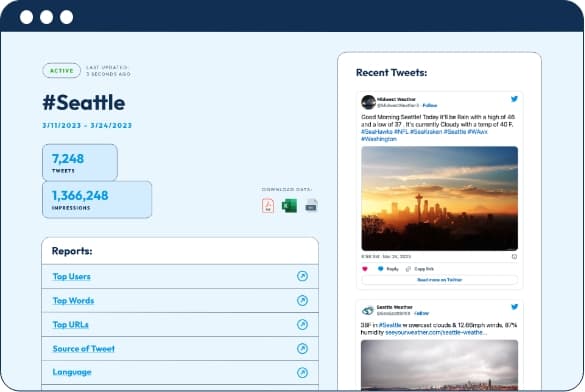
Track metrics in simple dashboards updated weekly or monthly rather than obsessively checking real-time analytics. Create a spreadsheet or use tools like Tweet Archivist to monitor key indicators over time. Focus on trends across weeks and months rather than daily fluctuations. Month-over-month comparison reveals whether strategy is working while filtering out natural variation that daily or weekly snapshots exaggerate.
Sustainable Content Creation Workflow
Even strong strategy fails without sustainable workflow for actually creating content. The gap between planning and execution often determines whether strategies succeed or remain intentions that never materialize.
Batching content creation dramatically improves efficiency compared to creating individual posts daily. Dedicate a two to three hour block weekly to creating the week's content rather than spreading creation across seven separate daily sessions. Batching allows getting into creative flow state, reduces context switching overhead, and produces week's content in less total time than daily creation requires. You can then schedule posts in advance, freeing daily time for engagement and reactive content.
Capturing ideas continuously prevents starting creation sessions from blank canvas. Maintain an ideas list in your notes app where you record tweet concepts whenever they occur—during conversations, while consuming content, in shower thoughts. This ongoing capture means batching sessions begin with list of prompts rather than staring at empty screens waiting for inspiration. Ideas generated during high-inspiration moments fuel creation during low-inspiration periods.
Separating creation from editing improves both speed and quality. During creation sessions, focus on getting ideas into draft form without perfectionism. Accept that drafts will be imperfect. Later, during separate editing pass, refine language, add formatting, check for errors, and polish drafts into publication-ready posts. This separation prevents perfectionism from blocking creation while ensuring published content meets quality standards.
Creating modular content components that can be mixed and matched reduces creation burden while maintaining quality. Develop frameworks, lists, and structures you can apply across topics. If you have ten conversation-starter question formats, you can quickly generate dozens of conversational posts by applying those formats to your content pillars. Templates don't make content feel formulaic when underlying ideas and examples vary—they provide scaffolding that speeds creation.
Scheduling tools eliminate daily publishing burden and optimize posting times without requiring manual posting. Tools like Buffer, Hootsuite, or Twitter's native scheduler let you load week's content during batching session, set optimal posting times, and maintain consistency even when you're busy, traveling, or taking breaks. Scheduling doesn't mean abandoning real-time engagement—you still respond to replies and join conversations—but it removes daily content creation from critical path.
Content Repurposing for Maximum ROI
Every piece of content you create can serve multiple purposes across platforms and formats. Strategic repurposing multiplies content ROI while reducing creation burden.
Your best-performing Twitter threads deserve expansion into long-form blog posts or articles. Threads that resonate prove that topic and angle interest your audience. Converting them to comprehensive articles provides deeper treatment that tweets can't contain, improves SEO for discovery beyond Twitter, and gives you reference content you can link from future tweets. One viral thread can become blog post, LinkedIn article, newsletter feature, and video script.
Visual content from other platforms adapts well to Twitter. Short video clips from YouTube videos, carousel graphics from Instagram posts, or slides from presentations all work as Twitter-native content. This cross-platform repurposing ensures your content investment serves multiple channels rather than creating completely separate content for each platform. Vary the captions and framing to suit Twitter's context while reusing the core content asset.
Aggregating related tweets into collections or guides provides value beyond individual posts. Group tweets about specific topics into Twitter Moments, blog roundups, or resource guides. This aggregation creates new content from existing posts while helping audiences discover your older content they missed. Annual "best of" collections showcase your top content while filling gaps in new content creation during busy periods.
Quote tweets of your own older content reintroduce valuable posts to current followers who likely missed them originally. When topics become relevant again—seasonal subjects, recurring events, or news that connects to your past content—reshare by quote tweeting with fresh context rather than just retweeting. This gives older content new life while demonstrating you have substantial archive of valuable material.
Extracting quotes and insights from longer content into standalone tweets extends content lifespan. Each blog post you write might contain five to ten ideas that work as individual tweets. Each podcast episode you record provides dozens of quotable moments. This extraction means one piece of core content feeds multiple tweets rather than one-to-one creation ratio.
Evolving Your Strategy Based on Data and Learnings
Strategy shouldn't remain static—effective approaches evolve based on performance data, platform changes, and audience feedback. Building evolution mechanisms into your strategic framework prevents strategies from becoming stale as conditions change.
Quarterly strategy reviews provide appropriate cadence for evaluating overall approach while avoiding reactive changes to short-term fluctuations. Every three months, assess whether your content pillars still align with objectives, whether your content type mix serves you well, whether posting cadence remains sustainable, and whether metrics trend positive. Quarterly reviews give strategies time to work before judging effectiveness while preventing stale approaches from continuing indefinitely.
Monthly experiments test new approaches without overhauling entire strategy. Each month, try one new content type, format, topic angle, or posting approach as controlled experiment. Track results compared to baseline performance. Experiments that substantially outperform baseline get incorporated into regular strategy. Experiments that underperform get discarded. This disciplined experimentation drives continuous improvement while limiting risk of changes that harm performance.
Monitoring platform changes ensures your strategy adapts to evolving algorithmic priorities and feature sets. When Twitter announces algorithm updates, introduces new features, or changes existing functionality, evaluate whether these changes warrant strategic adjustments. Your strategy should leverage platform advantages while adapting to changes that affect content performance. Staying current with algorithm mechanics informs smart strategic evolution.
Audience feedback mechanisms surface what your audience actually wants versus what you assume they want. Use polls asking what topics interest them most, analyze which content generates most saves and shares rather than just likes, and directly ask engaged followers what content they find most valuable. This feedback prevents the trap of creating content you think audiences want while ignoring what they actually value.
Competitive analysis reveals what's working for others in your space and identifies gaps in their approaches you can fill. Study successful accounts in your niche—what content types do they emphasize, how frequently do they post, what topics get their best engagement? Learn from their successes while identifying areas they don't cover where you can differentiate. Don't copy competitors directly but let their success inform your strategic thinking.
Frequently Asked Questions
How long does it take to see results from content strategy?
Most accounts implementing systematic content strategy see measurable improvements within eight to twelve weeks. Early results include more consistent engagement and gradual follower growth acceleration. Substantial results—building recognized authority, reaching monetization thresholds, or driving significant business outcomes—typically require six to twelve months of consistent execution. Strategy isn't magic producing overnight results but compounds over time into meaningful advantages.
What if I don't have time to create lots of content?
Effective strategy matters more than volume. Better to post twice daily with strategic intent than ten times daily with random content. Start with sustainable minimum—perhaps one quality post daily plus engagement on others' content. Focus on efficiency through batching, repurposing, and templates rather than trying to match volumes others achieve with full-time content creation. Consistency at modest frequency outperforms sporadic high volume.
Should my content strategy differ if I'm building personal brand versus business account?
Core principles apply to both but emphasis shifts. Personal brands typically incorporate more personal content, storytelling, and personality-driven differentiation. Business accounts emphasize educational content, customer value, and company differentiation. Personal brands can take stronger opinion-based positions while businesses often maintain more neutral stances. Both need clear positioning and consistent value delivery but express them differently.
How do I know if my content pillars are right?
Right content pillars generate consistent ideas you're excited to create, resonate with your target audience based on engagement metrics, and support your business or brand objectives. If you struggle generating content within a pillar after a month, it might be too narrow or not actually interesting to you. If a pillar gets consistently low engagement despite quality execution, it might not interest your audience. Evaluate pillar effectiveness quarterly and adjust as needed.
What's the biggest content strategy mistake you see?
Posting inconsistently without documented strategy is the most common and damaging mistake. Many accounts post sporadically based on inspiration, creating quality content occasionally but lacking the consistency that builds audiences. Second biggest mistake is creating content you think you should create rather than content your audience actually wants. Base strategy on audience needs and performance data, not assumptions.
Do I need expensive tools for content strategy?
No, effective content strategy requires planning discipline more than sophisticated tools. Simple Google Sheets for content calendars, iPhone notes for idea capture, Twitter's native scheduler for posting, and free Twitter analytics for performance tracking provide everything necessary for excellent strategy execution. Paid tools offer convenience and efficiency but aren't prerequisites for strategic success.
How do I balance planned content with timely reactive content?
Plan and schedule seventy percent of content in advance while leaving thirty percent unscheduled for reactive opportunities. This ensures strategic consistency while maintaining flexibility for timely content. When something trending emerges that connects to your pillars, bump scheduled content to tomorrow and create timely content instead. Balance prevents both rigid calendars that miss opportunities and purely reactive approaches that lack strategic coherence.
Should I adjust my strategy when growth plateaus?
Plateaus are natural and don't always require strategy changes. First diagnose whether plateau reflects strategy problems or simply diminishing returns at current audience size. If engagement rates remain healthy but growth slows, you might need audience expansion tactics more than strategy changes. If engagement rates decline alongside growth plateaus, strategy probably needs adjustment. Use analytics tools to diagnose root causes before making changes.
Content strategy transforms Twitter from time-consuming uncertain investment into systematic audience building engine. Start with clear pillars, establish sustainable cadence, measure what matters, and evolve based on data. The consistency that strategy provides compounds over months into significant competitive advantages that random posting never achieves.