Best Twitter Bio Examples and How to Write Yours (2026 Guide)
Why Your Twitter Bio Matters in 2026
Your Twitter bio is your digital handshake. In the 2-3 seconds someone spends deciding whether to follow you, those 160 characters determine if you've earned a new follower or lost a potential connection forever.
Here's what makes your Twitter bio critically important: it's searchable, it's your first impression, and it's the only space where you control exactly how people perceive you. According to Twitter's own data, profiles with complete, optimized bios receive up to 3x more profile visits than those with generic or empty bios.
Whether you're building a personal brand, growing a business, or establishing thought leadership, your Twitter bio needs to work as hard as your content. In this comprehensive guide, you'll discover 25+ proven bio examples, battle-tested formulas, and optimization strategies that actually work in 2026.
Before we dive into examples, let's understand what makes a Twitter bio truly effective.
The Anatomy of a Perfect Twitter Bio
The best Twitter bios aren't accidental. They follow a proven structure that balances clarity, credibility, and personality. Here are the essential elements every high-converting bio should include:
1. Clear Identity Statement (Who You Are)
Your bio should immediately answer "Who is this person?" Lead with your profession, role, or primary identity. Avoid vague descriptions like "passionate about life" or "dreamer." Instead, be specific: "SaaS founder," "Growth marketer," or "B2B copywriter."
2. Value Proposition (What You Do for Others)
This is the most important element. Don't just list what you do—explain the transformation or value you provide. Rather than "I write newsletters," say "I help founders grow their audience with weekly growth tactics."
3. Credibility Markers (Why People Should Listen)
Include one or two social proof elements: company affiliations, results you've generated, publications you've been featured in, or notable achievements. Keep it concise but impactful.
4. Personality Indicators (Your Human Side)
Whether it's through word choice, emojis, or a touch of humor, let your personality shine through. This helps people connect with you as a human, not just a professional.
5. Call-to-Action (What's Next)
Guide visitors to take action. This could be checking out your pinned tweet, visiting your website, or subscribing to your newsletter. Make it clear and specific.
Character Count Strategy: You have 160 characters to work with. Interestingly, research shows that bios with around 91 characters tend to have the most followers, suggesting that being concise and leaving some white space actually improves conversion. Don't force yourself to use all 160 characters if your message is clear with fewer.
5 Proven Twitter Bio Formulas That Work
Rather than starting from scratch, use these proven formulas as starting points for your bio. Each one has been battle-tested by thousands of successful Twitter users.
Formula 1: The Professional Authority
Structure: [Role] at [Company] | [Expertise/Focus] | [Result/Achievement]
Example: "VP Marketing @ SaaS Startup | Helping B2B companies scale from $1M to $10M+ | Ex-Google"
Best for: Corporate professionals, executives, subject matter experts
Formula 2: The Value-First Creator
Structure: I help [target audience] do [desired outcome] through [method/content type]
Example: "I help founders build personal brands through weekly growth experiments. 0→10K in 6 months. Tips 👇"
Best for: Content creators, coaches, educators, influencers
Formula 3: The Founder Elevator Pitch
Structure: Building [Product/Company] to [solve problem] for [target market] | [Traction/Funding/Previous wins]
Example: "Building AI tools for content creators | 10K+ users | Previously sold to Adobe | Father of 2 🏠"
Best for: Entrepreneurs, startup founders, product builders
Formula 4: The Credibility Stack
Structure: [Title] | [Publication credits] + [Media appearances] | [Topic focus]
Example: "Journalist | Published in NYT, Forbes, WSJ | Writing about tech ethics and AI policy"
Best for: Writers, journalists, researchers, academics
Formula 5: The Personality-First Bio
Structure: [Clever hook/unique angle] + [What you actually do] + [Content promise]
Example: "Recovering consultant 📊 Now helping teams work smarter, not harder. Tweeting about productivity & remote work."
Best for: Personal brands, those in creative fields, anyone wanting to stand out with personality
Pro tip: Mix and match elements from different formulas to create something unique to you. The goal isn't to follow these rigidly but to use them as frameworks for clarity.
25+ Twitter Bio Examples by Category
Now let's look at real, proven bio examples across different professional categories. Study these carefully and note what makes each one effective.
Professional & Business Bios
These bios work because they clearly state expertise, add credibility, and speak directly to a target audience.
Example 1: Marketing Professional
"Head of Growth @ B2B SaaS | Scaled 3 startups to 8 figures | Sharing growth tactics every week 📈"
Why it works: Clear role, quantifiable achievement, content promise
Example 2: Sales Leader
"VP Sales | Closed $50M+ in enterprise deals | Helping SDRs become closers | Coffee enthusiast ☕"
Why it works: Authority, specific results, clear audience (SDRs), personality touch
Example 3: Product Manager
"Product @ Fintech unicorn | Building tools that make money move faster | Ex-Amazon | Runner 🏃"
Why it works: Company prestige, clear mission, past credibility, human element
Example 4: HR Professional
"Chief People Officer | Building cultures where humans thrive | SHRM certified | Dog mom to 3 🐕"
Why it works: Role clarity, value proposition (thriving cultures), professional credentials, personal touch
Entrepreneur & Founder Bios
Founder bios need to balance company promotion with personal brand building. These examples nail that balance.
Example 5: SaaS Founder
"Founder @ EmailTool | Helping 10K+ creators grow their lists | Raised $2M | Tweeting the journey 📧"
Why it works: Company name, user proof, funding validation, content promise
Example 6: E-commerce Entrepreneur
"Built a 7-figure DTC brand from my garage | Now helping others do the same | Father | Stoic | Tweeting daily lessons"
Why it works: Credibility through results, helping others, personal values, consistency promise
Example 7: Serial Entrepreneur
"3x founder (2 exits) | Angel investor in 40+ startups | Sharing startup lessons & investment thesis"
Why it works: Track record, authority in multiple domains, clear content focus
Example 8: Bootstrap Founder
"Bootstrapped @CompanyName to $10M ARR without VC | Profitable since day 1 | Alternative startup playbook 📘"
Why it works: Contrarian positioning, impressive metrics, clear unique angle
Creator & Content Marketer Bios
For creators, your bio needs to instantly communicate what followers will get by following you.
Example 9: Newsletter Writer
"I write about AI for non-technical people | 50K+ subscribers | Featured in The Hustle | Subscribe below 👇"
Why it works: Niche clarity, social proof, media credibility, clear CTA
Example 10: Content Strategist
"Helping B2B brands turn content into revenue | Worked with Salesforce, HubSpot, Stripe | CMI contributor"
Why it works: Value proposition, prestigious clients, industry credibility
Example 11: Video Creator
"Making tech simple for 100K+ people | YouTube Partner | Daily tips on automation & productivity 🎥"
Why it works: Clear mission, platform success, content frequency and topics
Example 12: Podcast Host
"Host of [Podcast Name] | 5M+ downloads | Conversations about building in public | New episode Mondays 🎙️"
Why it works: Show name, impressive metrics, topic clarity, consistency indicator
Consultant & Coach Bios
Consulting and coaching bios must clearly define who you help and what transformation you provide.
Example 13: Business Coach
"I help coaches get their first $10K month | 200+ clients | No ads, no cold DM, just content | Free training 👇"
Why it works: Specific niche and outcome, client proof, methodology hint, CTA
Example 14: Career Coach
"Career strategist for tech professionals | 500+ people landed FAANG jobs | Ex-Google recruiter | Resume tips weekly"
Why it works: Target audience, results, insider credibility, content promise
Example 15: Leadership Consultant
"Helping executives lead with emotional intelligence | 20+ years | Worked with Fortune 500s | Author of 'Leading Human'"
Why it works: Clear service, experience, client caliber, additional authority (book)
Example 16: Productivity Coach
"Teaching busy founders to work 4-hour days | Featured in Forbes | Notion certified | ADHD-friendly systems 🧠"
Why it works: Bold promise, media credibility, certifications, inclusive positioning
Creative & Designer Bios
Creative professionals can lean more into personality while still being clear about their expertise.
Example 17: UX Designer
"Designing interfaces humans actually enjoy | Principal @ DesignStudio | Apple Design Award winner | Cat dad 😺"
Why it works: Clear value (enjoyable interfaces), senior role, major award, personality
Example 18: Graphic Designer
"Brand designer for bold startups 🎨 | Clients: Stripe, Notion, Linear | Making boring brands interesting"
Why it works: Niche (bold startups), impressive clients, unique value proposition
Example 19: Copywriter
"Words that sell | Crafting landing pages for SaaS | $100M+ in client revenue | Coffee-powered ☕"
Why it works: Clear benefit, specific niche, results attribution, personality
Example 20: Photographer
"Portrait photographer | Shot for Nike, Apple, GQ | Based in NYC | Teaching composition every Friday 📷"
Why it works: Specialty, A-list clients, location, education component
Funny & Witty Bios
Humor can work brilliantly, but it must not come at the expense of clarity. These examples show how to be funny AND clear.
Example 21: Tech Founder (Humorous)
"Trying to build a unicorn, currently have a donkey 🦄 | CEO @ StartupName | Tweeting the messy middle"
Why it works: Relatable humor, still includes company, realistic positioning
Example 22: Marketing Professional (Witty)
"Made one tweet go viral in 2019. Still riding that high 📈 | VP Marketing @ SaaS Co | Actually know what I'm doing"
Why it works: Self-aware humor, establishes credibility underneath the joke
Example 23: Developer (Clever)
"I turn coffee into code ☕ → 💻 | Senior Dev @ TechCo | Open source contributor | Stack Overflow legend (in my mind)"
Why it works: Classic developer joke, clear role, real credentials, humble humor
Example 24: Consultant (Playful)
"Recovering corporate exec 👔 → Now helping companies not suck at strategy | 15 years exp | Probably over-caffeinated"
Why it works: Journey narrative, clear service, experience, relatable humanness
Example 25: Content Creator (Fun)
"Professional internet yeller 📣 | Helping brands grow through content | 1M+ reach | Diet Coke enthusiast"
Why it works: Playful self-description, clear value, impressive metric, personality detail
Bonus Examples: Multi-Passionate Professionals
Example 26: "Designer by day 🎨 Coder by night 💻 | Full-stack creative | Building @ProductName | Teaching design + code"
Example 27: "Doctor ⚕️ + Writer ✍️ | Making medicine understandable | 100K newsletter readers | Published in JAMA"
Example 28: "Lawyer who codes | Tech policy expert | Advising Congress on AI regulation | Teaching at Stanford Law"
Each of these bios demonstrates the power of combining multiple skills or roles to create a unique positioning. This "slash career" approach can help you stand out in crowded fields.
Twitter Bio Optimization Tips
Now that you've seen what works, let's dive into specific optimization strategies that will make your bio more effective.
1. Use Strategic Keywords for Searchability
Twitter bios are searchable, which means the right keywords can help you get discovered. Include terms your target audience would search for. If you're a "social media platform manager," include that phrase. If you specialize in "B2B content marketing," make sure those words appear.
Action step: List 3-5 terms your ideal followers might search for, then naturally incorporate 2-3 of them into your bio.
2. Front-Load the Most Important Information
Put your most compelling information first. Many users only read the first 80-100 characters before deciding to follow. Lead with your strongest credential or clearest value proposition.
3. Use Emojis Strategically (Not Excessively)
Emojis serve two purposes: they save characters and they add visual interest to your bio. However, use them purposefully. One or two relevant emojis work well; five or more can look cluttered and unprofessional.
Best practices:
- Use emojis as visual dividers between bio sections
- Choose emojis that reinforce your message (📈 for growth, 💡 for ideas, 🎙️ for podcasts)
- Avoid random or confusing emoji combinations
- Consider your industry—corporate executives might skip emojis entirely
4. Include a Trackable Link
Your bio link is valuable real estate. Use it strategically and consider using a link-in-bio tool or shortened link with UTM parameters so you can track clicks in your Twitter analytics dashboard.
Link strategy options:
- Your website homepage (if you're building a business)
- A specific landing page or lead magnet
- Your newsletter signup page
- A link-in-bio tool like Linktree (if you have multiple destinations)
- Your latest content or pinned tweet
5. Add Social Proof Elements
Social proof builds trust quickly. Include elements like:
- Number of newsletter subscribers
- Companies you've worked with
- Media features or publications
- Specific results or metrics
- Awards or recognitions
- Previous notable positions
Just remember: be specific and honest. "Helped 1000+ clients" is more credible than "Helped thousands of clients."
6. Show Personality Without Sacrificing Clarity
Your bio should reflect your authentic voice, but never at the expense of clarity. Before you add that clever joke or obscure reference, ask yourself: "Will my target audience immediately understand who I am and what I do?"
If the answer is no, simplify first, then add personality.
7. Optimize for Your Primary Goal
What's your main objective on Twitter? Your bio should reflect it:
- Growing a newsletter? Mention subscriber count and what people get
- Building thought leadership? Emphasize expertise and content topics
- Promoting a product? Include what it does and who it's for
- Getting consulting clients? Highlight transformations and social proof
- Career opportunities? Showcase skills and notable work
8. Update Your Bio Regularly
Your bio isn't set in stone. As your focus evolves, update it. Major milestones, new projects, or shifts in what you're creating should be reflected within weeks, not months.
Pro tip: If you're actively growing your Twitter audience, services like Bulkoid.com can help amplify your reach while you optimize your profile to convert visitors into engaged followers.
Common Twitter Bio Mistakes to Avoid
Even experienced Twitter users make these mistakes. Here's what to avoid:
1. Being Too Vague or Clever
"Digital nomad | Living my best life | Vibes ✨" tells people nothing useful. Clarity beats creativity every time. If someone reads your bio and doesn't know what you do, you've failed.
2. Listing Only Credentials Without Value
"MBA from Harvard | Ex-McKinsey | Former VP at Fortune 500" sounds impressive but gives no reason to follow. What will people learn from your tweets? How will you help them?
3. Using Industry Jargon or Buzzwords
"Passionate thought leader leveraging synergies in the digital transformation space" makes eyes glaze over. Use plain language that a smart 14-year-old would understand.
4. Overusing Hashtags
Having #marketing #growth #SaaS #entrepreneur #startup in your bio looks spammy and wastes precious characters. One carefully chosen hashtag can work; multiple hashtags hurt more than help.
5. Not Having a Clear Audience in Mind
Trying to appeal to everyone means appealing to no one. "I tweet about business, tech, fitness, cooking, travel, and philosophy" is too scattered. Pick 1-2 core topics.
6. Neglecting the Call-to-Action
If you have something valuable (a newsletter, a resource, a product), guide people to it. "More below" or "Link in bio" or "Free course 👇" gives clear next steps.
7. Letting Your Bio Get Stale
If your bio still mentions a job from 3 years ago or a project you abandoned, you look out of touch. Keep it current.
8. Forgetting About Mobile Display
Most Twitter users browse on mobile. Your bio should be scannable and readable on small screens. Test how it looks on your phone, not just desktop.
How to Test and Improve Your Bio Performance
Your bio isn't a "set it and forget it" element. Here's how to continuously improve it based on actual performance data.
Tracking Bio Performance
While Twitter doesn't provide direct "bio conversion rate" metrics, you can track several indicators:
- Profile visits: How many people view your profile
- Follower growth rate: New followers gained per week/month
- Link clicks: If your bio link uses UTM parameters, track clicks in Google Analytics
- Profile-to-follower conversion: Calculate the percentage of profile visitors who follow you
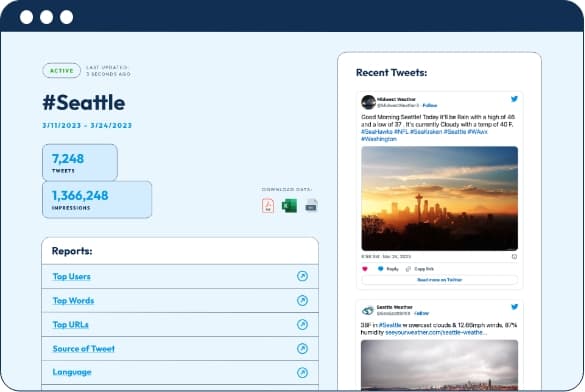
Use Tweet Archivist's comprehensive analytics tools to track these metrics over time and correlate bio changes with growth patterns.
A/B Testing Your Bio
Yes, you can A/B test your Twitter bio. Here's how:
Step 1: Establish a baseline by tracking your current bio's performance for 2-4 weeks. Note your profile visits and follower growth rate.
Step 2: Make one significant change (not five at once). For example:
- Add/remove a credibility marker
- Change your value proposition wording
- Add or remove emojis
- Adjust your CTA
- Front-load different information
Step 3: Track performance for another 2-4 weeks with the new version.
Step 4: Compare results. Did profile visits increase? Follower growth rate? Link clicks?
Step 5: Keep what works, test something new. Over 6-12 months, you can optimize your bio significantly.
Timing Your Bio Updates
When should you update your bio?
- Major milestone: New job, company launch, hitting subscriber numbers
- Focus shift: Changing content topics or target audience
- Underperformance: If your profile-to-follower conversion is low (under 5-10%)
- Seasonal relevance: Timely angles related to your industry's busy season
- A/B test schedule: Every 3-4 weeks if you're actively optimizing
Getting Feedback on Your Bio
Sometimes you're too close to your own bio to judge it objectively. Get outside perspectives:
- Ask 3-5 people in your target audience what they understand from your bio
- Post it in a relevant community or mastermind group for feedback
- Use the "5-second test": show someone your profile for 5 seconds, then ask what they remember
- Compare your bio to 10 successful accounts in your niche—what patterns do you notice?
Analyzing Top Performers in Your Niche
One of the fastest ways to improve your bio is to study what's already working. Find 10-20 successful accounts in your niche and analyze their bios:
- What structure do they use?
- How much space do they dedicate to credentials vs. value proposition?
- Do they use emojis? How many?
- What call-to-action do they include?
- How do they balance personality and professionalism?
Create a spreadsheet and note patterns. You'll quickly see what works in your specific industry or niche.
For deeper competitive analysis, use Tweet Archivist's archiving features to track how successful accounts evolve their bios over time, giving you insights into what changes correlate with growth.
Conclusion
Your Twitter bio is one of the highest-leverage elements of your entire Twitter presence. Those 160 characters work 24/7 to either convince people to follow you or to scroll past. Now you have everything you need to craft a bio that converts.
Remember the key principles:
- Clarity first: People should instantly understand who you are and what you do
- Value-focused: Emphasize what followers get, not just who you are
- Credibility markers: Include proof that you're worth following
- Personality touches: Show you're human, not a robot
- Clear next step: Guide people on what to do after reading your bio
Start by choosing one of the five formulas from this guide that best fits your situation. Draft 3-4 variations, then test them with people in your target audience. Pick the strongest one, implement it, and track your results for a month.
As you grow your Twitter presence, remember that your bio works hand-in-hand with your content strategy. While optimizing your bio improves conversions, you still need quality content to attract profile visits in the first place. If you're serious about growing your audience, consider complementing your organic efforts with strategic audience growth tools like Bulkoid.com.
Finally, use analytics to guide your decisions. Track which bio versions drive the most followers, experiment with different approaches, and continuously refine your message. With Tweet Archivist's powerful analytics platform, you can monitor your profile's performance, understand what's working, and make data-driven improvements to every aspect of your Twitter strategy.
Your perfect Twitter bio is out there. Now go write it.