How to Increase Your Twitter Engagement Rate in 2026: 15 Proven Strategies
Understanding Engagement Rate in 2026
Twitter engagement rate measures how effectively your content resonates with your audience by quantifying the interactions your tweets receive relative to their reach. This metric has become increasingly critical in 2026 as the platform's algorithm heavily weights engagement when deciding which content to amplify through recommendations and the For You feed.
The calculation is straightforward—divide your total engagements (likes, retweets, replies, clicks, and other interactions) by your total impressions, then multiply by one hundred to express it as a percentage. A tweet with fifty engagements from one thousand impressions has a five percent engagement rate. This calculation reveals content quality more accurately than raw engagement numbers, which simply reflect reach rather than resonance.
Understanding engagement rate matters because it directly impacts your future reach on the platform. Twitter's algorithm interprets high engagement rates as signals that content is valuable, triggering wider distribution to users beyond your immediate followers. Conversely, low engagement rates signal poor content quality, causing the algorithm to reduce your future reach. This creates either positive or negative feedback loops where engagement rates compound over time.
The three primary calculation methods each serve different analytical purposes. Calculating by impressions reveals how well specific tweets perform. Calculating by followers shows your overall audience engagement level. Calculating by reach accounts for unique viewers rather than total impressions. Most analysts prefer the impressions-based calculation as it provides the most accurate reflection of individual tweet performance.
Current Benchmarks: What's Actually Good in 2026?
The Twitter landscape has shifted dramatically, making 2023 benchmarks completely obsolete for evaluating 2026 performance. Understanding current realistic expectations prevents false conclusions about your content's effectiveness and helps you set achievable goals.
The platform-wide median engagement rate now sits at 0.029 percent—a figure that seems shockingly low compared to historical standards but represents the current reality across all industries and account sizes. However, this median masks significant variation based on account size and niche. Smaller accounts with under one thousand followers typically achieve engagement rates between one and five percent due to more personal audience connections. Medium accounts with ten thousand to one hundred thousand followers see rates between 0.5 and one percent. Large accounts exceeding one hundred thousand followers often land in the 0.029 to 0.045 percent range despite massive absolute engagement numbers.
Setting appropriate targets requires contextualizing your account size and industry. For small accounts and individual creators, aiming for above one percent engagement rate represents good performance, while two to five percent indicates excellent execution. For established accounts and businesses, maintaining 0.5 to one percent engagement rate shows strong content strategy, while anything above one percent puts you in the top performance tier. Enterprise brands and large accounts should target 0.045 percent as a minimum, with 0.102 percent representing exceptional performance.
Industry-specific benchmarks reveal dramatic variation, with sports content maintaining the highest engagement at 0.073 to 0.084 percent—roughly five times the platform median. Technology, financial services, and media sectors hold relatively stable engagement, while fashion, food and beverage, and health and beauty have seen engagement rates drop to near zero in many cases. Understanding your industry context helps you evaluate whether your performance reflects content quality or broader sector challenges.
Why Engagement Rates Dropped 48% and What It Means
The dramatic 48.3 percent year-over-year decline in engagement rates from 2024 to 2026 represents one of the most significant shifts in Twitter's history. Understanding the causes helps you adapt strategies rather than fighting against algorithmic reality.
Algorithm changes prioritizing nano-niche content over broad-appeal posts fundamentally altered what performs well. The platform now emphasizes surfacing content from smaller accounts and highly specialized topics rather than amplifying already-popular accounts and general-interest content. This shift benefits emerging creators in focused niches while challenging established accounts that built audiences through broader appeal. The algorithm also introduced explicit advantages for Twitter Premium subscribers, creating a two-tier system where paid users receive four times more visibility within their network and twice as much visibility outside their network.
Behavioral changes among both creators and audiences contributed significantly to declining rates. Brands reduced posting frequency by 34.7 percent, from 3.31 tweets weekly to 2.16 tweets weekly, in response to diminishing returns. This reduced posting actually exacerbated reach problems rather than solving them, as the algorithm favors accounts with consistent activity. Simultaneously, average daily Twitter usage time plummeted from over thirty minutes to just eleven minutes, meaning users engage with fewer tweets overall even when scroll rates remain constant.
The paywalling of analytics behind Twitter Premium subscriptions changed how accounts measure and optimize performance. Previously, free analytics access allowed all users to track and improve engagement systematically. Now, serious optimization requires eight dollars monthly for basic analytics access, creating barriers that prevent many users from even understanding their performance metrics, let alone improving them.
Despite these challenges, certain content types and strategies continue performing well. Video content maintains approximately ten times higher engagement than text-only posts. Sports and niche community content sustains strong engagement. Authentic, conversation-driving posts that encourage replies still receive algorithmic advantages. Understanding what still works allows strategic adaptation rather than accepting declining engagement as inevitable.
Strategy 1: Prioritize Video and Visual Content
Video content represents the single most impactful change you can make to improve engagement rates in 2026. The algorithm explicitly prioritizes video in recommendation systems, and user behavior data consistently shows dramatically higher engagement with video compared to other formats.
Native video uploaded directly to Twitter receives approximately ten times more engagement than text-only posts and significantly more reach than external video links. The algorithm interprets video content as higher quality and more engaging, triggering broader distribution through the For You feed. This advantage compounds because higher initial engagement from the algorithmic boost creates momentum that attracts additional organic engagement.
The video format itself doesn't guarantee success—execution matters significantly. Keep videos under two minutes twenty seconds for optimal performance, as the algorithm particularly favors videos that users watch to completion. Add captions for sound-off viewing, since most users browse Twitter without audio enabled. Hook viewers in the first three seconds with compelling visuals or statements that prevent scrolling. Use text overlays to reinforce key points and make content accessible.
Images and other rich media provide substantial benefits even if you can't consistently produce video. Tweets with images receive 150 percent more retweets than text-only tweets. Graphics, infographics, memes, and visual quotes all qualify as rich media that outperforms plain text. Even simple designs with text overlaid on colored backgrounds significantly outperform pure text tweets while requiring minimal design skills.
The practical implication is straightforward—every tweet you publish should include some form of visual element unless there's compelling reason otherwise. Reserve text-only tweets for timely reactions or situations where adding media would slow your response to time-sensitive conversations. For planned content, always include video or images as standard practice rather than optional enhancement.
Strategy 2: Master Optimal Posting Times
Posting timing dramatically impacts engagement rates because Twitter's algorithm heavily weights recency and early engagement velocity when determining distribution. The same content posted during peak hours versus off-hours can see five to ten times difference in performance.
Platform-wide data shows Tuesday through Thursday between 9 AM and 3 PM Eastern Time consistently generates highest engagement across most industries and account types. Within this window, 9 AM, 12 PM, and 1 PM represent peak performance times. These windows capture users checking Twitter as they start work, during lunch breaks, and in early afternoon when attention naturally drifts from other tasks.
However, your specific audience may deviate from these general patterns. Analyze your Twitter analytics to identify when your actual followers are most active. Click through to the audience insights section and review the activity patterns showing when your followers use Twitter. This data reveals your personal optimal windows that may differ from platform averages based on your audience's demographics, time zones, and typical usage patterns.
Consistency in posting times trains your audience to expect your content during specific windows, creating habit-based engagement. If you post daily at 10 AM, your regular followers learn to check for your content around that time. This predictability can boost early engagement velocity as dedicated followers engage quickly after posting, triggering algorithmic amplification that extends your reach beyond your core audience.
Use scheduling tools to maintain optimal timing even when you can't post manually. Buffer, Hootsuite, and Twitter's native scheduling feature all allow you to prepare content in advance and schedule it for peak performance windows. This removes the constraint of needing to be available during optimal times while ensuring your content consistently reaches audiences when they're most receptive.
Strategy 3: Maximize the Critical First 30 Minutes
The first thirty minutes after publishing represent the most critical window for determining your tweet's ultimate reach. The algorithm evaluates early engagement velocity to decide whether content deserves amplification, making those initial minutes disproportionately important for overall performance.
Twitter's recommendation systems analyze how quickly a tweet accumulates engagement relative to your typical performance and the content's expected baseline. Tweets that generate engagement faster than normal signal exceptional quality to the algorithm, triggering expanded distribution. Conversely, tweets that sit with zero engagement during the first thirty minutes get deprioritized, significantly reducing their chances of achieving meaningful reach even if they accumulate engagement later.
Maximizing this window requires being available to engage immediately after posting. When users reply to your tweet within the first few minutes, respond immediately. These reply exchanges generate the highest-value engagement signals to the algorithm, as the reply-to-reply interaction carries a seventy-five times multiplier compared to basic likes. Your active participation signals that the tweet is sparking valuable conversation, encouraging the algorithm to show it to more users.
Strategic timing of important content around your availability becomes crucial. Save your highest-quality planned content for times when you can actively engage for the first thirty to sixty minutes after posting. During periods when you can't be available immediately after posting—during meetings, sleep, or other commitments—schedule lower-priority content that can succeed with less active management.
Building initial momentum sometimes involves strategic sharing with engaged community members who reliably interact with your content. Some creators maintain small groups of mutually supportive accounts who ensure each other's content receives early engagement, providing algorithmic kickstart that attracts broader organic engagement. While controversial, this approach mimics how traditional media outlets promoted content through editorial partnerships before social media existed.
Strategy 4: Leverage Polls for Built-In Engagement
Twitter polls provide the lowest-friction engagement mechanism available on the platform, generating twenty-one percent higher engagement than comparable content without polls. The single-click voting mechanic removes barriers that prevent engagement on standard tweets, while the results reveal taps into human curiosity that keeps users checking back.
Effective poll design requires balancing entertainment with genuine insight. Avoid polls with obvious answers or questions nobody cares about—"Should I post more content?" generates minimal engagement because the answer is predetermined and uninteresting. Instead, create polls addressing genuine debates, preferences, or predictions within your niche. Marketing professionals might poll about preferred email send times. Tech enthusiasts might vote on upcoming product releases. The key is authentic curiosity about responses rather than manufactured engagement bait.
Poll duration affects engagement patterns significantly. Shorter polls of one to four hours create urgency and concentrate engagement into compressed windows, potentially triggering algorithmic amplification through engagement velocity. Longer polls of one to seven days allow more total participation but dilute engagement over time. Match poll duration to your objectives—use short polls for timely topics and long polls when you genuinely want comprehensive audience feedback.
Following up on poll results extends engagement beyond the initial voting. Quote tweet your poll after it closes with analysis of the results, reactions to surprising outcomes, or insights drawn from response patterns. This secondary content capitalizes on the interest your poll generated while providing additional value to participants who voted and want to know what conclusions you drew from the data.
Integrating polls into broader content strategies multiplies their impact. Use polls to research audience interests that inform future content topics. Test headline variations or content angles through polls before investing time in full creation. Poll your audience about what specific questions they want answered in upcoming threads or videos. This research function provides value beyond the immediate engagement boost by helping you create content your audience actually wants.
Strategy 5: Frame Tweets as Questions That Invite Response
Questions naturally invite engagement in ways that statements cannot, tapping into psychological drives to answer queries and share opinions. Given that reply engagement carries significantly higher algorithmic value than passive likes, question-based tweets serve dual purposes of encouraging interaction and triggering algorithmic promotion.
Open-ended questions generate more substantial engagement than yes/no questions, though both outperform pure statements. Compare "Algorithm changes are frustrating" with "How have the recent algorithm changes affected your reach?" The question format immediately invites responses, while the statement might receive agreeing likes but few replies sharing specific experiences. Open-ended questions create space for multiple valid responses, encouraging diverse participation rather than binary agreement or disagreement.
Genuine curiosity produces better engagement than performative questions you don't actually care about. Audiences detect when you're asking questions purely for engagement bait versus actually wanting to hear responses. Frame questions around topics where you genuinely want community input, different perspectives, or crowd-sourced knowledge. This authenticity shows in how you engage with responses, which influences whether people bother responding at all.
Strategic incompleteness in your tweets creates built-in reasons for replies. Frame posts as "Here are my top three tactics for X. What am I missing?" or "I tested five approaches and found Y worked best. What's been your experience?" This incompleteness signals that you value community contributions and expect responses, while providing clear framework for what kind of replies you're seeking.
Responding to every reply on question-based tweets maximizes their algorithmic value and encourages future participation. When someone takes time to answer your question, acknowledge their response. This creates the reply-to-reply engagement pattern that carries seventy-five times higher algorithmic value than likes. It also trains your audience that engaging with your questions leads to actual conversation rather than shouting into the void, increasing future participation likelihood.
For practical implementation, audit your recent tweets and identify how many are framed as statements versus questions. If more than seventy percent are statements, consciously shift toward more question-based content. Track the engagement rate differences between your statement tweets and question tweets over several weeks to quantify the impact for your specific audience and content style.
Strategy 6: Use 1-2 Hashtags Maximum
Hashtag strategy has inverted from historical best practices, with less now being more in the 2026 algorithm. Research consistently shows tweets with one to two hashtags achieve twenty-one percent higher engagement than tweets with three or more hashtags, contradicting the previous wisdom of maximizing hashtag usage for discovery.
The algorithm appears to interpret excessive hashtag usage as spam signals or attempt to game reach through keyword stuffing. Three or more hashtags dilute your tweet's focus and make content appear less authentic. The optimal approach involves carefully selecting the one or two most relevant hashtags that genuinely categorize your content rather than desperately casting wide nets hoping something connects.
Hashtag selection requires research rather than guessing. Identify which hashtags are actively used in your niche by examining popular posts in your topic area and noting which hashtags appear consistently. Avoid dead hashtags that nobody follows or searches, as these provide no discovery value. Similarly, avoid extremely popular generic hashtags like #marketing or #business where your content drowns in noise from thousands of other posts.
Niche-specific hashtags with moderate usage often deliver better results than mainstream hashtags. A hashtag used by hundreds or low thousands of posts weekly provides realistic discovery opportunities, while hashtags with millions of posts make standing out nearly impossible. The sweet spot combines relevance, active usage, and manageable competition.
Consider skipping hashtags entirely on certain content types, particularly conversational tweets and replies. Hashtags work best on educational or informative content where discovery matters. Personal updates, reactions, and replies typically perform better without hashtags, as adding them feels forced and inauthentic. Let content type and purpose guide whether hashtags add value or create friction.
Strategy 7: Respond to Replies Within Minutes
Response speed to replies significantly impacts both the specific tweet's algorithmic performance and your overall account's engagement patterns. Quick responses trigger the highest-value engagement multiplier while demonstrating active presence that encourages future participation.
The reply-to-reply engagement pattern carries a seventy-five times multiplier compared to baseline likes, making it by far the most algorithmically valuable interaction type. When someone replies to your tweet and you respond to their reply, this exchange generates massive algorithmic signals that the content is valuable and worthy of amplification. A tweet with five reply exchanges outweighs a tweet with one hundred likes in terms of algorithmic impact.
Practical implementation requires being available after posting, particularly during the critical first thirty minutes. Block time in your schedule around important posts specifically for engagement. Treat this time as non-negotiable rather than something you'll get to when other tasks allow. The algorithmic window is time-sensitive—replies you answer within minutes amplify the tweet's reach, while replies you answer hours later provide minimal algorithmic benefit though they still matter for community building.
Response quality matters alongside speed. Generic "thanks for reading" replies add minimal value and feel automated. Instead, engage substantively with what the person said—ask follow-up questions, share related thoughts, or acknowledge their specific contribution. These substantive responses encourage longer exchanges that generate even more algorithmic value while building actual relationships with engaged community members.
Enabling tweet notifications for your posts allows immediate awareness when replies arrive, letting you respond promptly even when not actively browsing Twitter. The notification lets you jump into your tweet's replies and engage without needing to constantly refresh looking for new responses. This efficiency makes response speed realistic even for busy schedules.
For accounts receiving high reply volume, prioritize responding to thoughtful, substantive replies over brief reactions. A detailed reply deserves detailed response, creating meaningful exchange. Simple agreement or appreciation replies, while nice to receive, don't require immediate response and can be batched. This prioritization ensures you maximize high-value engagement even when replying to every single reply becomes impractical.
Strategy 8: Find Your Sustainable Posting Frequency
Posting frequency directly impacts engagement rate through multiple mechanisms, but the relationship isn't linear—more posts don't automatically mean better engagement. Finding your optimal frequency requires balancing algorithmic preferences for consistent activity against your capacity to maintain quality.
Platform-wide data suggests three to five tweets daily maximizes engagement for most accounts. This frequency maintains algorithmic presence while allowing each tweet sufficient attention to generate engagement before being replaced by your next post. Posting more than five times daily risks overwhelming followers and competing with yourself for engagement, while posting less than once daily reduces algorithmic visibility and makes building consistent audience habits difficult.
However, your specific optimal frequency depends on your capacity, content quality, and audience expectations. One excellent tweet daily outperforms five mediocre tweets daily. If you can only create one or two quality posts daily while maintaining engagement with your community, that consistency beats sporadic periods of high-volume posting followed by multi-day silences. Consistency matters more than hitting arbitrary frequency targets.
Testing different frequencies systematically reveals what works for your account. Spend one month posting twice daily, track engagement rates, then spend another month posting four times daily and compare results. This controlled experimentation accounts for your specific audience, content style, and niche rather than assuming platform averages apply to your situation.
Time of day distribution matters as much as total frequency. Spreading posts throughout the day—morning, midday, evening—captures different audience segments during their respective active periods rather than concentrating all posts in single time block. This distribution maximizes reach to your full audience rather than repeatedly hitting the same users who happen to be online during your posting window.
Building posting buffers prevents consistency gaps during busy periods. Maintain a backlog of five to ten evergreen posts that remain relevant regardless of posting date. When you can't create fresh content daily, these buffers maintain your posting consistency rather than going silent. Consistency streaks matter for algorithmic performance—breaking streaks can reduce your baseline reach even after resuming regular posting.
Strategy 9: Keep Content Native to Platform
The algorithm's aggressive penalization of external links represents one of the most significant changes affecting engagement rates in 2026. Posts containing links to websites outside Twitter experience dramatically reduced reach, particularly for non-Premium accounts where link posts now achieve approximately zero median engagement.
Understanding the platform's business incentive clarifies this policy. Twitter wants users staying on platform where the company can show them advertisements and collect engagement data. External links represent lost attention and potential revenue, creating strong platform incentives to suppress them. This creates tension between content creators who want to drive traffic elsewhere and Twitter's desire to retain attention.
The workaround involves separating content from links by posting native content first, then adding links in reply tweets. Your main tweet provides value entirely within Twitter, generating engagement that triggers algorithmic distribution. Users who want additional resources can click through to your reply where the link appears. This structure maintains your main tweet's visibility while still providing links for interested users.
Alternative approaches include using profile links rather than tweet links when appropriate. Update your profile link to point to relevant resources, then direct users to "link in bio" from your tweets. This keeps tweets completely native while still providing pathways to external content for users motivated enough to visit your profile.
For Premium subscribers, the link penalty is less severe but still exists. Premium accounts posting links see reduced engagement around 0.25 to 0.3 percent compared to higher rates for native content. The paid subscription mitigates but doesn't eliminate link suppression. Even Premium users should consider whether links are necessary in specific tweets or if native content serves better.
Content that truly requires external links—news articles, blog posts, resources—should be framed to provide substantial value within the tweet itself rather than forcing link clicks for context. Share key insights, notable quotes, or practical takeaways in the tweet so followers gain value even without clicking. The link serves as optional additional resource rather than required click for basic comprehension.
Strategy 10: Create Engaging Threads
Twitter threads provide the platform's native long-form content format, allowing you to develop ideas beyond single-tweet constraints while keeping audiences on platform. Well-executed threads consistently generate higher total engagement than equivalent content split across separate individual tweets.
Thread structure determines whether users actually read beyond the first tweet. Start with a compelling hook that creates curiosity gap compelling users to click "Show this thread." The opening tweet should promise specific value, share a surprising claim, or pose an intriguing question that subsequent tweets will address. Generic openings like "Here's what I learned about X" generate minimal click-through compared to specific hooks like "I analyzed 10,000 viral tweets and found three patterns that predict success."
Each thread tweet should deliver discrete value while building toward comprehensive narrative. Avoid tweets that are sentence fragments requiring the next tweet to make sense—each should stand alone as a complete thought while contributing to larger point. This structure keeps readers engaged as each tweet provides satisfaction while creating anticipation for what comes next.
Thread length should match content depth rather than arbitrary targets. Some topics require three to five tweets for complete treatment. Others merit twenty or more tweets for comprehensive coverage. Forcing threads too short leaves audiences wanting more substance. Padding threads too long creates filler that people abandon partway through. Let the content determine appropriate length.
Including a call-to-action in your final thread tweet converts readers into followers. Most thread readers who enjoyed your content won't follow unless explicitly prompted. End with something like "If you found this valuable, follow me @username for weekly threads on [topic]. I share [specific value] every [frequency]." This converts thread readers into ongoing audience members rather than one-time viewers.
Repromoting your best threads extends their lifespan beyond initial publication. Threads that performed well contain evergreen value. Retweet strong threads weekly or monthly with fresh introductory context that makes the retweet feel natural rather than just recycling content. Each retweet exposes the thread to followers who missed it originally or who've joined since initial publication.
Strategy 11: Engage Authentically With Others
While this article focuses on improving your content's engagement rate, outbound engagement with others' content significantly impacts your overall Twitter success and creates reciprocal engagement patterns that benefit your posts.
Strategic engagement involves thoughtfully participating in conversations from accounts whose audiences overlap with your target followers. Identify twenty to thirty accounts in your niche with slightly larger audiences than yours—typically two to ten times your current size. Their engaged audiences represent people interested in your topic who don't yet follow you. Set up a Twitter list with these accounts and check it daily.
Quality over quantity matters enormously in engagement approach. One thoughtful reply that adds genuine value generates more benefit than one hundred generic "great post!" comments. Spend sixty seconds crafting responses that demonstrate your expertise, add unique perspectives, or make people laugh. These high-quality replies attract attention from both the original poster and other users reading the thread, driving profile visits and follows from people who noticed your contribution.
Timing your engagement for maximum visibility means being among the first three to five replies on popular tweets. Early replies receive prominence at the top of reply threads, ensuring maximum visibility from everyone who reads the tweet. This requires checking your target account list multiple times daily and responding quickly to fresh posts that will likely generate significant engagement.
Engaging with replies on your own content counts as critical engagement that shouldn't be neglected in favor of engaging elsewhere. Your reply exchanges on your posts generate the highest algorithmic value while building community with your existing followers. Treat engagement as fifty percent replying to your content and fifty percent engaging with others rather than focusing exclusively outbound.
Authenticity in engagement means participating in conversations you genuinely care about rather than forcing participation purely for visibility. Users detect and resent obviously strategic engagement that serves no purpose beyond getting noticed. Engage with content you actually find valuable, interesting, or worth commenting on. This genuine participation creates real relationships and positions you as valued community member rather than shameless self-promoter.
Strategy 12: Follow the 80/20 Value Rule
The balance between providing value and promoting yourself dramatically affects engagement rates and long-term audience building. Accounts that primarily broadcast promotional content experience systematically lower engagement than accounts prioritizing value delivery.
The 80/20 rule suggests eighty percent of your content should provide pure value to your audience with no direct promotional intent, while twenty percent can include promotional elements like product announcements, service offerings, or explicit calls to action. This ratio ensures you build trust and provide reasons for people to follow you before asking them to buy, sign up, or take action.
Value content includes educational posts teaching specific skills, insightful analysis sharing unique perspectives, entertaining content providing enjoyment, curated resources helping audiences discover useful tools, and behind-the-scenes content humanizing you beyond just professional expertise. All of these build goodwill and position you as a valuable follow without asking anything from your audience.
The twenty percent promotional content becomes more effective when surrounded by eighty percent pure value. Audiences who've received consistent value become receptive to occasional promotional messages, viewing them as fair exchange rather than spam. Loyal followers who've learned from your free content often want to support you by purchasing products, subscribing to services, or amplifying your work when you ask.
Many accounts struggle with this balance, erring too far in either direction. Some post ninety-plus percent promotional content, treating Twitter as advertising platform rather than community. This approach generates minimal engagement as audiences tune out constant sales pitches. Others provide one hundred percent pure value and never promote anything, failing to capture business value from the audience they've built. The optimal balance acknowledges Twitter as both community platform and business channel.
Implementing the 80/20 rule practically means auditing your recent one hundred tweets and categorizing them as value or promotional. If more than twenty fall into promotional category, consciously shift toward more value-first content. Track engagement rates separately for your value content versus promotional content to quantify the difference and understand how much promotional content your specific audience tolerates before engagement drops.
Strategy 13: Optimize Your Profile for Conversions
While profile optimization doesn't directly affect individual tweet engagement rates, it dramatically impacts whether engagement converts into follows. Your profile serves as landing page for users who discover your content and want to learn more about you.
Profile photos showing your face generate forty-seven percent more follows than logos, illustrations, or no photos. Face photos create human connection and trust that other visuals cannot replicate. Use high-quality images with good lighting against neutral backgrounds that clearly show your face. Avoid group photos or images where you're difficult to identify.
Your bio has one hundred sixty characters to answer the question "why should I follow you?" Lead with your value proposition or expertise rather than generic statements. Compare "Marketing enthusiast. Love Twitter. Sharing thoughts." with "I teach service businesses how to get clients using Twitter | 15K+ students | Free growth guide below." The second bio immediately communicates specific value, includes social proof, and incorporates call-to-action.
Including keywords in your bio improves discoverability through Twitter search and helps visitors quickly understand your focus. If you're a "social media strategist" or "email marketing consultant," include those specific terms rather than vague descriptions like "digital professional." Keywords help the right people find you while immediately qualifying whether your content matches visitor interests.
Pin a high-performing tweet that showcases your best content and encourages engagement. When visitors check your profile, the pinned tweet is the first thing they see after your bio. Choose something that demonstrates your expertise, provides immediate value, or showcases impressive results. Update your pinned tweet monthly as you produce new strong content.
Your header image provides significant visual real estate to reinforce positioning and value. Use text overlays stating your focus, showcase testimonials or metrics, create visual interest that makes your profile memorable, or ensure it aligns with your overall brand. The header should support your bio rather than being purely decorative.
Strategy 14: Track and Analyze Your Performance
Systematic measurement distinguishes accounts that improve consistently from those that plateau at their current performance level. Without tracking, you can't identify what's working versus what's failing or measure whether changes actually improve results.
Twitter Analytics provides basic performance data, though accessing it now requires Twitter Premium subscription at eight dollars monthly. The analytics show impressions, engagements, engagement rate, profile visits, and follower growth for your posts and account overall. Review these metrics weekly rather than obsessively checking daily, focusing on trends over time rather than individual post fluctuations.
Track metrics in a simple dashboard updated weekly or monthly that shows trends across longer timeframes. Create a spreadsheet with columns for date, follower count, posting frequency, average engagement rate, top-performing content type, and any notes about strategy changes. This historical record reveals patterns invisible when looking only at current performance.
Engagement rate should be tracked separately by content type to identify which formats work best for your specific audience. Calculate your average engagement rate for video posts, image posts, text posts, threads, and polls separately over the course of a month. The differences reveal where you should invest more effort and which content types underperform for your audience regardless of platform-wide averages.
Link your Twitter activity to business outcomes when applicable. Track website traffic from Twitter using UTM parameters, monitor newsletter signups attributed to Twitter, measure sales or leads generated through the platform. This connects platform metrics to actual results that matter for your business rather than just vanity metrics that feel good but don't drive outcomes.
Review your tracking dashboard monthly and identify one or two specific optimizations to test. Don't make wholesale strategy changes all at once—isolate variables so you can determine what actually improved performance. Test one new content type, adjust posting times, or modify engagement approach while keeping other factors constant. This systematic experimentation drives continuous improvement.
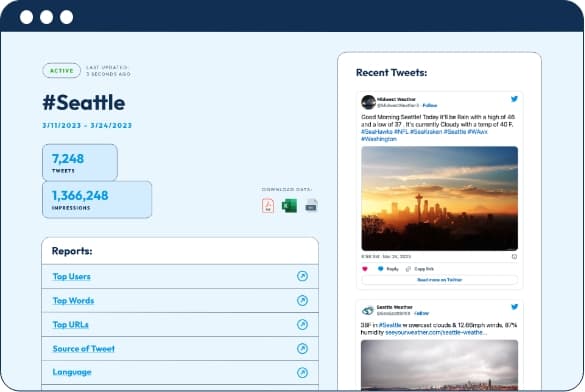
Consider using dedicated tools like Tweet Archivist for comprehensive historical data tracking that free analytics tools don't provide. Services like these preserve unlimited historical data, enable detailed comparative analysis, and provide insights that basic analytics lack. The investment pays off when serious about optimization rather than casually tracking performance.
Strategy 15: Evaluate Twitter Premium for the 4x Visibility Boost
Twitter Premium subscription provides explicit algorithmic advantages that directly impact engagement rates. Whether the eight-dollar monthly cost justifies the benefits depends on how seriously you use Twitter and what you're trying to achieve.
The quantified advantage includes four times more visibility for content shown to your followers and two times more visibility for content recommended to non-followers. Internal platform testing showed Premium accounts achieving thirty to forty percent higher reply impressions compared to identical non-Premium accounts. This systematic advantage compounds over time as better performance triggers additional algorithmic promotion.
Beyond algorithmic advantages, Premium provides essential tools for optimization. Access to full analytics allows you to track and improve performance systematically. The edit button eliminates anxiety about permanent typos and allows post-publication refinement. Extended character limits enable comprehensive content without awkward threading. Video upload limits expand to four hours, allowing long-form content directly on platform.
The blue verification checkmark, while no longer indicating notability, still provides psychological credibility signals that affect how audiences perceive your content. Users scroll past identical content differently depending on whether the blue checkmark appears next to the author name. This perception advantage may be irrational given what verification now means, but it remains a real factor influencing engagement and follow decisions.
Premium makes most sense for accounts serious about Twitter as audience building or marketing channel. If Twitter serves your business or creator objectives, the eight-dollar monthly investment represents minimal cost compared to the reach advantages provided. If you're casual user checking Twitter occasionally, Premium probably doesn't justify the cost based purely on engagement benefits.
Test Premium for three months before evaluating results. One month provides insufficient time to measure true impact as algorithmic advantages accumulate over time and require consistent content quality to leverage. Three months reveals whether the advantages translate to meaningful improvements in your specific engagement metrics and whether those improvements justify ongoing subscription costs.
Frequently Asked Questions
What's considered a good Twitter engagement rate in 2026?
For small accounts and individuals, target above 1% engagement rate with 2-5% being excellent. For established accounts and businesses, 0.5-1% represents good performance. Large accounts and brands should aim for at least 0.045% with 0.102%+ being exceptional. The platform median sits at 0.029%, but small accounts typically achieve higher percentages due to more personal audience connections.
Why did my engagement rate suddenly drop?
Platform-wide engagement rates dropped 48% from 2024 to 2026 due to algorithm changes, behavioral shifts, and Premium subscriber advantages. If your drop aligns with this timeline, it likely reflects broad platform trends rather than problems with your specific content. Check whether your engagement rate relative to impressions remains stable—if your impressions dropped but engagement rate stayed consistent, the issue is reach rather than content quality.
Should I buy followers to increase my engagement rate?
No, buying fake followers actively harms engagement rate by inflating your follower count without adding engaged users. This tanks your engagement-to-follower ratio and can trigger algorithmic penalties.
How many tweets should I post daily?
Most accounts see optimal engagement with 3-5 quality tweets daily. This frequency maintains algorithmic presence while allowing each tweet attention to generate engagement. Posting more than 5 times daily risks overwhelming followers and competing with yourself. Posting less than once daily reduces algorithmic visibility. However, one excellent daily tweet outperforms five mediocre daily tweets—consistency and quality both matter.
Do hashtags still matter for engagement?
Yes, but use only 1-2 hashtags maximum. Research shows tweets with 1-2 hashtags achieve 21% higher engagement than tweets with 3+ hashtags. The algorithm appears to interpret excessive hashtags as spam. Choose relevant niche-specific hashtags with moderate usage rather than extremely popular generic hashtags where your content gets lost.
How long does it take to improve engagement rate?
Most accounts implementing these strategies see measurable improvement within 4-8 weeks. However, some changes like consistent posting frequency and audience building require 8-12 weeks before full impact appears. Track metrics weekly but evaluate trends monthly rather than making strategy changes based on daily fluctuations. Sustainable improvement requires consistent execution over time rather than hoping for overnight transformation.
Does Twitter Premium actually improve engagement?
Yes, Premium provides documented advantages including 4x visibility boost within network and 2x outside network. Studies show Premium accounts averaging ~600 impressions per post versus under 100 for free accounts—a 10x difference. However, Premium amplifies whatever you're already doing. Low-quality content with Premium still performs poorly. Premium works best when combined with strong content strategy. Read our detailed analysis on whether Twitter Premium is worth it for different user types.
Why do my polls get more engagement than regular tweets?
Polls generate 21% higher engagement because they provide the lowest-friction interaction mechanism on Twitter. Single-click voting requires minimal effort compared to crafting replies or even clicking like. The built-in reveal of results taps into curiosity that keeps users checking back. Use polls strategically on topics where you genuinely want audience input rather than purely for engagement bait.
Improving Twitter engagement rate requires systematic approach rather than hoping individual tactics magically boost performance. Focus on video content, optimal timing, strategic engagement, and consistent value delivery. Track your metrics using analytics tools, test approaches systematically, and refine based on what works for your specific audience. These strategies compound over months into significantly better engagement and reach.