How to Create a Twitter Hashtag That People Actually Use
Creating a Twitter hashtag sounds easy. Add a # before a word and post it, right?
Technically, yes. But creating a hashtag that people understand, remember and actually use takes a bit more thought. A good hashtag can help group posts around a topic, campaign, event, joke, launch or community. A weak one usually gets ignored, even if the idea behind it is good.
The best Twitter hashtags are short, clear and easy to type. They make sense at a glance. They also fit the audience you want to reach, which matters more than trying to sound clever.
Here is how to create a Twitter hashtag that feels natural and has a better chance of catching on.
What Is a Twitter Hashtag?
A Twitter hashtag is a word or phrase with the # symbol in front of it. For example:
#SmallBusinessTips #BookTwitter #MondayMotivation #IndieGameDev
When someone clicks or searches a hashtag, they can see other posts using the same tag. This makes hashtags useful for joining public conversations, organizing posts and helping people find content around a specific topic.
Hashtags can be used for many things, such as:
- Events
- Product launches
- Social campaigns
- Niche communities
- Live discussions
- Personal brands
- Recurring content series
The trick is not just making one. The trick is making one that fits the reason behind it.
Start With the Purpose
Before you create a hashtag, ask yourself what it is supposed to do.
Do you want people to join a conversation? Share their own posts? Follow an event? Find your content more easily? Support a campaign? Your answer should shape the hashtag.
For example, a hashtag for a one-day webinar should be direct and easy to connect to the event. A hashtag for a long-term personal brand can be a little broader. A hashtag for a joke or trend can be more playful.
If your goal is tied to growth, networking or income, the hashtag should also match your wider Twitter strategy.
For example, if you are building a creator account, it helps to understand how people make money on Twitter before choosing tags for your content. A hashtag should support your direction, not sit there as decoration.
Once the goal is clear, the actual wording becomes much easier.
Keep It Short and Easy to Read
Short hashtags usually work better because people can read them quickly and type them without thinking too hard. Twitter moves fast, so your hashtag should not make people pause and decode it.
A good hashtag should be:
- Easy to spell
- Easy to say
- Easy to remember
- Clear without extra explanation
- Short enough to fit naturally in a post
For example, #RemoteWorkTips is clear. #UsefulAdviceForPeopleWorkingRemotely is way too long.
You also want to avoid awkward word combinations. When several words sit together with no spaces, people can misread them. Capital letters can help a lot.
#SocialMediaTips is easier to read than #socialmediatips.
Both work the same technically, but the first one is much cleaner.
Make It Specific, But Not Too Narrow
A broad hashtag can reach more people, but it can also get buried. A narrow hashtag can feel more focused, but it may not attract anyone if it is too specific.
The sweet spot is somewhere in the middle.
For example, #Marketing is very broad. It covers too much. #MarketingTipsForRomanianCoffeeShops is very specific. It might work for one post, but it is too narrow for regular use.
A better option could be #CafeMarketing or #LocalMarketingTips.
Specific hashtags are useful because they tell people what the conversation is about. Just do not make them so detailed that nobody else would ever use them.
Check If the Hashtag Already Exists
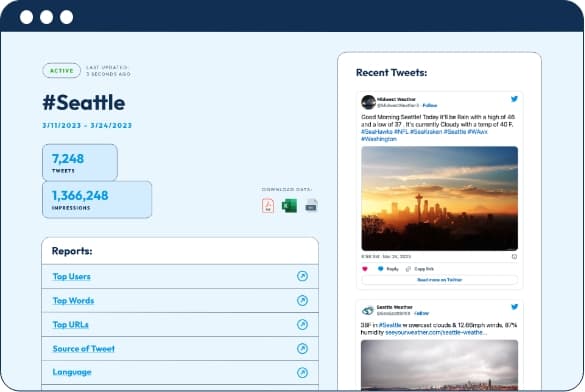
Before you settle on a hashtag, search it on Twitter. This step is simple, but a lot of people skip it.
You want to check a few things:
- Is someone already using it?
- Is it linked to something unrelated?
- Does it have a negative meaning?
- Is it being used by spam accounts?
- Does it look clean in search results?
This is especially important for brand campaigns, events and serious topics. A hashtag may look perfect in your head, but search results can tell a different story.
If the hashtag is already active in a useful way, you may still be able to use it. If it is messy, confusing or linked to the wrong topic, choose something else.
Match the Hashtag to Your Account
Your hashtag should make sense next to your profile, content and audience. If someone clicks your profile after seeing the hashtag, the connection should feel natural.
For example, if your account is about productivity, a hashtag like #BetterWorkDays could make sense. If your profile is about food, that same hashtag may feel random unless the post is clearly about work lunches or meal planning.
This is where your bio matters too. If your bio is unclear, even a good hashtag can feel disconnected. Before building a recurring hashtag around your content, it is worth checking your Twitter bio optimization so people understand who you are and why they should follow you.
A hashtag can bring attention to a post, but your profile has to back it up.
Use Simple Words
A hashtag should not feel like a puzzle. Simple words usually win.
Avoid inside jokes unless your audience already understands them. Avoid strange abbreviations unless they are common in your niche. Avoid trying too hard to sound clever, because clever hashtags often become hard to read.
For example:
#FitnessForBeginners works better than #FitBegJourneyX
#FreelanceTips works better than #FrlcrGrowthZone
#BookRecommendations works better than #LitPickzDaily
The goal is not to make the fanciest hashtag. The goal is to make one people instantly understand.
Make It Easy for Others to Use
If you want other people to use your hashtag, think about how it sounds from their side.
Would they feel comfortable posting it? Does it make them look part of something useful? Is it too branded? Is it too long? Does it sound natural in a sentence?
A hashtag like #AskTheEditor is easy for people to use because it gives them a clear action. They can ask questions.
A hashtag like #JohnsWeeklyEditorialThoughts is much less inviting because it feels too centered on one person.
Community hashtags work best when they give people a reason to join in.
Good examples include:
- #ShareYourSetup
- #AskTwitter
- #WritingCommunity
- #SmallBizChat
- #PhotoChallenge
Each one gives people a clear idea of what to post.
Avoid Overloading Your Post With Hashtags
One or two relevant hashtags are usually enough on Twitter. Too many hashtags can make a post look messy, spammy or hard to read.
This is not Instagram. A giant block of hashtags at the end of a Twitter post usually feels out of place.
A clean post might look like this:
"Working from home gets easier when you separate your desk from your relaxation space. Even a small corner can help your brain switch modes. #RemoteWork"
That feels natural.
This does not:
"Working from home gets easier when you separate your desk from your relaxation space. #RemoteWork #WorkFromHome #Productivity #HomeOffice #FreelanceLife #BusinessTips #Focus"
The second version is doing too much. It also makes the post feel less human.
Test a Few Hashtag Ideas
You do not have to get the perfect hashtag on the first try. Test a few options and see what feels better.
Post similar content with different hashtags and watch what happens. Look at replies, reposts, impressions, profile visits and clicks. Also check whether the hashtag brings the right people, not just more people.
For example, you could test:
#WritingTips #ContentWriting #FreelanceWriting #WriteBetter
They are close, but each one may attract a slightly different audience.
After a while, you will see which tags fit your content best.
Create a Branded Hashtag Carefully
A branded hashtag can work well, but only when it has a real use. Do not create one just because brands do it.
A branded hashtag is useful when you want to collect posts around a campaign, challenge, event or community. It can also work for customer stories, creator series or regular content themes.
Keep branded hashtags short and clean. They should not feel like an ad every time someone uses them.
For example:
#NikeRunClub works because it is short and tied to a clear activity.
#ShareACoke worked because it gave people a simple action.
#MyCalvins worked because it felt personal and easy to use.
A good branded hashtag gives people a reason to participate. A weak one just repeats the brand name with no purpose.
Make Sure It Does Not Read Wrong
This part sounds funny, but it matters. Hashtags remove spaces, so words can blend in strange ways.
Before posting, read the hashtag slowly. Then read it with different capital letters. Ask someone else to look at it if it is for a campaign or event.
A hashtag can accidentally create an awkward phrase when the words run together. Once people notice, they may remember the mistake more than the campaign.
To avoid this, use capital letters for each word.
#NowHiring looks better than #nowhiring.
#ChooseBetter looks better than #choosebetter.
#TherapistTips can be risky because of how the letters sit together, so a clearer option may be better.
Small details like this can save you from a very annoying problem later.
Use Hashtags That Fit the Post
A hashtag should match the actual content. Do not add a trending hashtag just because it is popular. If the post has nothing to do with the tag, people will ignore it or find it annoying.
This happens a lot during big events. A topic starts trending, then random accounts jump in with unrelated content. It rarely looks good.
If you use a trending hashtag, make sure your post adds something relevant. That can be a useful comment, a question, a joke, a reaction or a helpful resource.
Relevance matters more than reach.
Build a Hashtag Around a Repeatable Idea
Some of the best hashtags work because they can be used again and again.
A repeatable hashtag works best when it supports steady profile growth, not just one random spike in attention. If you are trying to turn hashtag visibility into a stronger audience, it helps to understand why Twitter followers that don’t drop matter more than short-term numbers.
If you are creating a hashtag for your own content, think about whether it can become a series. A repeatable hashtag gives people something to recognize over time.
For example:
#MondayMarketingTip #FridayReads #AskMeAnything #FounderLessons #DailyDesignTip
These work because the format is clear. People understand what type of post to expect.
This can be useful if you post regular advice, weekly questions, community prompts or updates around one topic.
How to Create a Twitter Hashtag Step by Step
Here is a simple process you can follow.
- Choose the goal of the hashtag: Decide whether it is for an event, campaign, community, content series or general topic.
- Write down 5 to 10 rough ideas: Do not judge them too much at first. Just get options on the page.
- Shorten the best ideas: Remove extra words. Make the hashtag easier to type and remember.
- Check readability: Use capital letters for each word and make sure the phrase does not look strange without spaces.
- Search it on Twitter: Look at how it is already being used. Avoid tags linked to spam, drama or unrelated topics.
- Test it in a real post: Use it naturally in a sentence. If it feels forced, adjust it.
- Track how it performs: Watch engagement, search visibility and whether the right people interact with it.
That is really the whole process. The best hashtags usually come from clear thinking, not from trying to sound viral.
Twitter Hashtag Examples by Goal
Different goals need different types of hashtags. Here are a few examples.
For events:
#CreatorSummit #TechTalkLive #WritersMeetup #StartupWeekend
For communities:
#BookTwitter #MarketingTwitter #IndieHackers #WritingCommunity
For campaigns:
#ShareYourStory #CleanUpChallenge #SupportLocal #TrySomethingNew
For content series:
#DailyTip #MondayMotivation #FounderFriday #WeeklyThread
For personal branding:
#AskEmma #DesignWithAlex #NotesFromNina #BuildWithSam
The best choice depends on your audience. A hashtag for a fun creator challenge can be more casual. A hashtag for a business event should be cleaner and easier to understand.
Common Hashtag Mistakes
A lot of Twitter hashtags fail for simple reasons.
The most common mistake is making the hashtag too long. If people cannot remember it, they will not use it. Another mistake is making it too vague. A hashtag like #Success can mean almost anything, so it does not help much.
Some people also use too many hashtags in one post. That makes the post harder to read and can make the account look desperate for reach.
Another issue is using a hashtag without checking it first. This can lead to awkward matches with unrelated topics, old campaigns or spam.
The last big mistake is using a hashtag once and giving up. If you are trying to build a campaign or content series, you need to use the hashtag consistently. One post is rarely enough.
Final Thoughts
Learning how to create a Twitter hashtag is mostly about clarity. The hashtag should be short, easy to read and tied to a clear purpose.
Do not overthink it, but do not treat it like a random add-on either. A good hashtag can help people understand the topic, join the conversation and find related posts. A bad one just takes up space.
Start with the goal, write a few simple options, check them in search and test the strongest one. If it feels natural in a real post, you are probably on the right track.